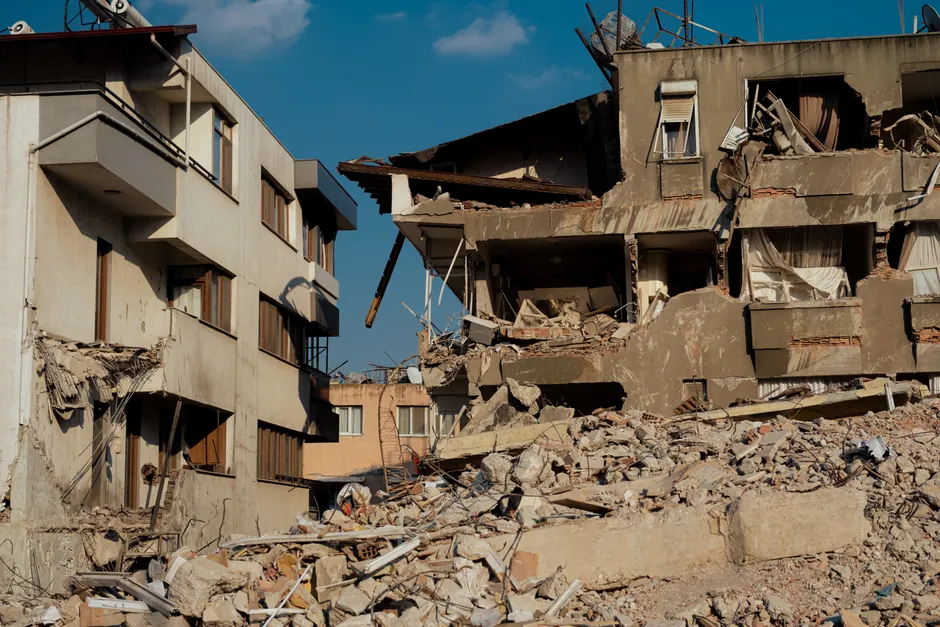
Colombia Earthquake: Survivors Pulled From Rubble as Death Toll Climbs Past 250
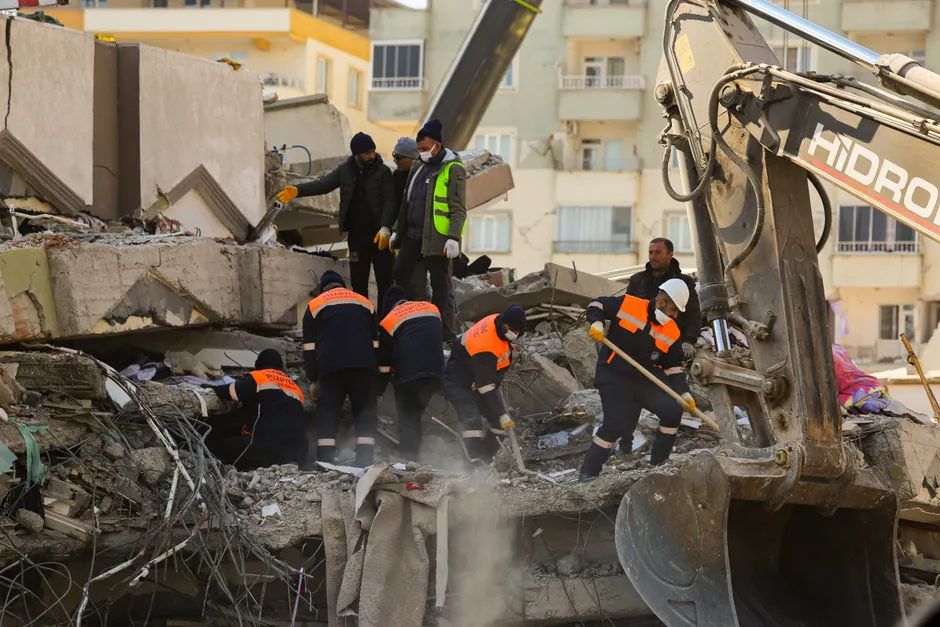
Colombian emergency crews pulled a woman named Diana alive from the rubble of a collapsed building in Cali on August 11, 2026, roughly 36 hours after a major earthquake struck the region. The rescue was reported by Reuters and TRT Afrika.
The earthquake has killed at least 250 people, Reuters reported on August 10 Reuters. The same report said the death toll was expected to rise, which fits what crews are seeing on the ground: collapsed buildings across Cali, ongoing search operations, and the likelihood that more victims remain trapped beneath debris.
Search and rescue operations entered their third day on August 12, with crews continuing to comb through collapsed buildings. A baby was pulled alive from the rubble on that third day, CNN reported CNN. Finding a live infant after more than 48 hours of entrapment is consistent with patterns seen in major urban search-and-rescue missions, where the first 72 hours are considered the most promising window for locating survivors. After that, the odds drop but do not reach zero.
Diana's rescue after 36 hours and the baby's recovery on the third day are the two confirmed survivor extractions from the debris in Cali. Both were pulled from collapsed buildings. The specific magnitude of the earthquake has not been reported in the available sources, though Reuters has described it as a "major earthquake" Reuters.
The broader context here is Colombia's exposure to seismic risk. The country sits along the Pacific Ring of Fire, a zone of intense tectonic activity circling the Pacific Ocean where the Nazca and South American tectonic plates grind against each other, generating regular earthquakes. Cali lies in the Cauca Valley, nestled between mountain ranges of the Andes, and is no stranger to ground shaking. But an event producing a death toll of 250 or more is a high-consequence incident by any measure. The structural collapses that trapped Diana and the infant point to the vulnerability of older or non-engineered buildings in a city where seismic retrofitting, the process of strengthening existing structures to withstand earthquakes, may not have been uniformly applied or enforced.
For those tracking disaster response in the region, several operational markers are worth noting. The 36-hour survival window for Diana and the 48-plus-hour window for the infant suggest that void spaces within collapsed structures were large enough to sustain life. That depends heavily on building type and how the structure fell. Pancake collapses, where floors stack on top of each other like a flattened stack, are common in poorly reinforced concrete buildings and can create survivable gaps more readily than other types of collapse. The Reuters report's language about the death toll being "expected to rise" signals that recovery operations had not yet shifted from a rescue phase to a recovery phase as of August 10–11. The confirmed rescue of survivors on August 11 and 12 validates that operational approach. The deployment of rescue teams across multiple collapsed structures in Cali also implies a geographically distributed impact zone rather than a single building failure.
The confirmed death toll of at least 250, combined with active survivor recoveries on the second and third days, places this earthquake among the deadliest seismic events in Colombia's recent history. Whether the toll stabilizes or continues to climb will depend on the pace of debris clearance, the number of structures still to be searched, and the condition of any additional survivors located in the coming hours.