The Bartesian Duet Cocktail Maker: Pod-Based Mixing at a $300 Price Point
TechCrunch reviewed the Bartesian Duet cocktail maker on August 13, 2026, organized around a straightforward question: who actually needs a cocktail robot? The review found that the answer is less obvious than the device's engineering suggests.
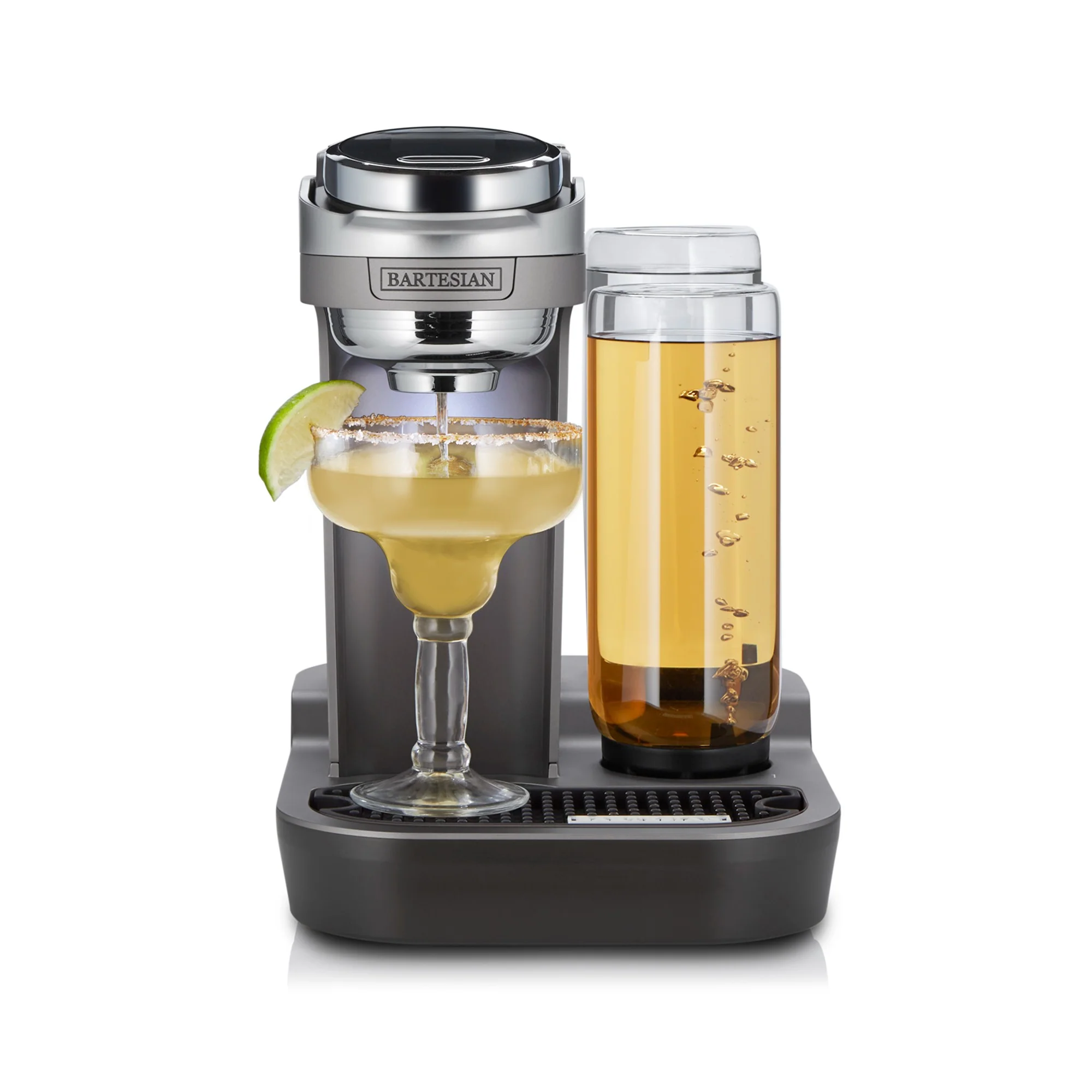
The Bartesian Duet is a countertop machine that applies the pod-based model familiar from Keurig and Nespresso coffee makers to alcoholic drinks. TechCrunch Priced at $299.99 on the manufacturer's site, the Duet measures 12 by 12.75 by 9.5 inches. The core mechanism is simple: insert a Bartesian capsule, choose a spirit strength, and the machine pours a finished cocktail in roughly 30 seconds, according to Bartesian.
The Duet holds two spirits at once and can use up to two spirits per drink. Bartesian's product page confirms this two-spirit capacity, while TechCrunch notes that the broader product line supports between one and four liquor types depending on the model. Compatible spirits include vodka, tequila, whiskey, rum, and gin.
The capsule system is where the device's design gets interesting. Each capsule holds a concentrated mix of real juices, bitters, and extracts for drinks like espresso martinis, watermelon margaritas, mai tais, and cosmos. A barcode on each capsule tells the machine which spirit or spirits to draw from the loaded bottles. Users pick from four strength levels: Mocktail, Light, Regular, and Strong. Strength selection adjusts the amount of water used to dilute the concentrate.
The capsules contain no alcohol. Users supply their own spirits, loaded into the machine's reservoirs. Bartesian offers over 16 classic and signature cocktails in capsule form, sold in boxes of eight. Per-capsule pricing runs about $2.50 according to TechCrunch, with the manufacturer's site listing per-capsule costs ranging from roughly €2.85 to €3.74 depending on the cocktail.
Bartesian positions itself as the world's top-selling cocktail system and reports over 32,000 five-star customer reviews. The company also sells a "Life of the Party Bundle" for the Duet, which includes two 35-ounce glass spirit bottles with label bands, a removable power cord, and a removable Bartesian bar mat.
The pod-based appliance model is one the technology industry has seen applied across categories for two decades, from coffee to cold brew to recent cooking devices. The pattern is consistent: a hardware device sold at a consumer-electronics price, paired with a recurring revenue stream from consumables. At roughly $300 for the machine and $2.50 per capsule, plus the cost of spirits, a Bartesian-made cocktail may not come out cheaper than what a competent home bartender could produce from bottles of mixers. The value proposition rests on convenience and consistency rather than cost per drink.
The barcode-scanning and dilution-control system is a clever engineering choice. By encoding drink recipes into the capsule itself rather than requiring firmware updates or app connectivity to add new cocktails, Bartesian has made the consumable the delivery mechanism for new drink logic. Insert a new capsule and the machine knows what to do. This works much like early game cartridges: the medium carries the program.
What the TechCrunch headline question really surfaces is a tension between capability and need that has followed consumer hardware since the earliest smart-home devices. A cocktail robot does not solve a problem that lacks an existing solution. Making an espresso martini at home takes a few ingredients, a shaker, and two minutes. The Bartesian Duet replaces that process with a pod and a button press, charging a premium for compressing the effort involved. Whether that trade-off justifies the counter space and per-drink consumable cost depends entirely on how often a household serves cocktails and how much it values the reduction in cleanup, measurement, and skill required.
Bartesian's reported 32,000 five-star reviews suggest a meaningful audience has answered that question with a yes. The broader signal for hardware manufacturers is that the pod-based appliance playbook, refined in coffee over the past two decades, can extend into adjacent consumable categories where recipe complexity and ingredient variety create enough friction to make a dedicated appliance appealing.