Air India to Drug-Test All Pilots After Mid-Air Altitude Loss Linked to Pilot's Marijuana Use
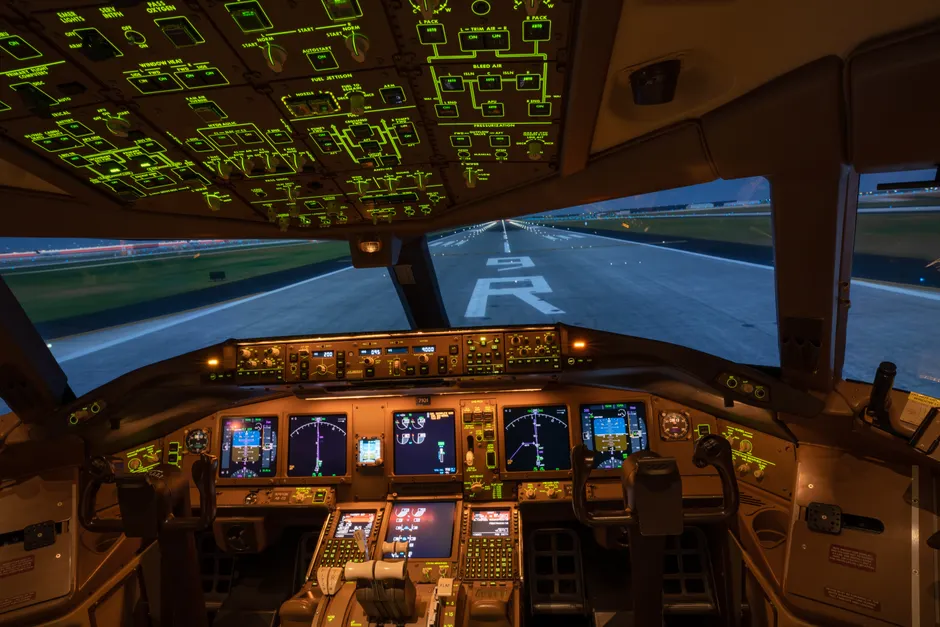
Air India will test all of its pilots for banned substances, effective immediately, following an incident in which a Phuket-to-Delhi flight suddenly lost altitude. The decision, confirmed on 13 August 2026, also covers pilots at Air India Express, the carrier's budget arm, who face testing from Thursday. BBC
The trigger was a 4 August incident involving an Air India Airbus that dropped roughly 91 metres (300 feet) shortly after departing Phuket. Seventeen passengers and crew were injured. A preliminary report said the senior pilot had to retake their substance test, and subsequent reports indicated they tested positive for marijuana. Bloomberg, citing a second confirmatory test, reported on 11 August that the captain tested positive for illegal drugs. BBC Bloomberg
Both pilots of the affected flight have been removed from duties until the investigation concludes. Indian authorities are investigating alongside Airbus and France's air safety agency. India's civil aviation regulator summoned Air India's chief executive over the altitude loss, according to a source cited by Reuters on 11 August. BBC Reuters
The new testing regime goes well beyond existing rules. Current Indian aviation regulations require random substance testing of at least 10 percent of pilots. In a memo seen by the BBC, Air India said it was "important to go further," describing the initiative as exceeding regulatory requirements. The tests cover prohibited substances and medications and are being carried out alongside training sessions at Air India's academy, briefing centres, and offices. BBC
The corporate timing is notable. Former Ethiopian Airlines chief executive Tewolde Gebremariam became Air India's new chief executive the previous week, meaning the incident and the regulator's summons landed in the earliest days of his tenure. Air India, in an earlier statement reported by Reuters on 9 August, said it conducts regular drug testing of crew members in compliance with civil aviation regulations and would continue to cooperate with the investigation. BBC Reuters
The broader context here is one of regulatory posture and institutional risk. An Indian carrier unilaterally moving from the statutory 10 percent random testing floor to universal screening sets a precedent that the Directorate General of Civil Aviation (DGCA), India's aviation regulator, may find difficult to ignore. If the preliminary findings hold and the captain's confirmatory test is admitted into the final investigation report, the pressure on the regulator to revisit its substance-abuse framework, including testing frequency, substance panels, and reporting timelines, will intensify. The current rules were designed around a statistical deterrence model: test enough pilots randomly to discourage substance use. Universal screening shifts that logic to blanket assurance.
For aviation safety experts, the operational questions are twofold. First, a 300-foot altitude loss on departure, while survivable, points to a breakdown of sterile-cockpit discipline, the principle that pilots must focus solely on flying duties during critical phases of flight. Whether substance impairment was a causal or contributory factor is for investigators to determine, but the preliminary report's direction is clear. Second, Air India's decision to pair the tests with training sessions at its academy and briefing centres suggests the carrier is framing this not solely as a punitive measure but as a systemic intervention in crew culture.
The involvement of Airbus and France's air safety agency indicates the aircraft's airframe and flight-control systems are also under examination, a standard procedure in any event involving an uncommanded or rapid altitude deviation. The dual-track investigation, aircrew factors and aircraft systems, will need to reconcile the human and mechanical threads before reaching a probable cause determination.
What comes next hinges on the final investigation report and the regulator's response. A universal testing policy adopted by one carrier creates a competitive and reputational gap; if the DGCA does not harmonise the standard across all Indian-registered operators, the policy could remain an Air India-specific overlay rather than a sector-wide rule. For now, the carrier has moved first, and the regulator has its attention.