What the US-Iran Ceasefire Collapse Means for Oil Prices

A Ceasefire That Didn't Hold
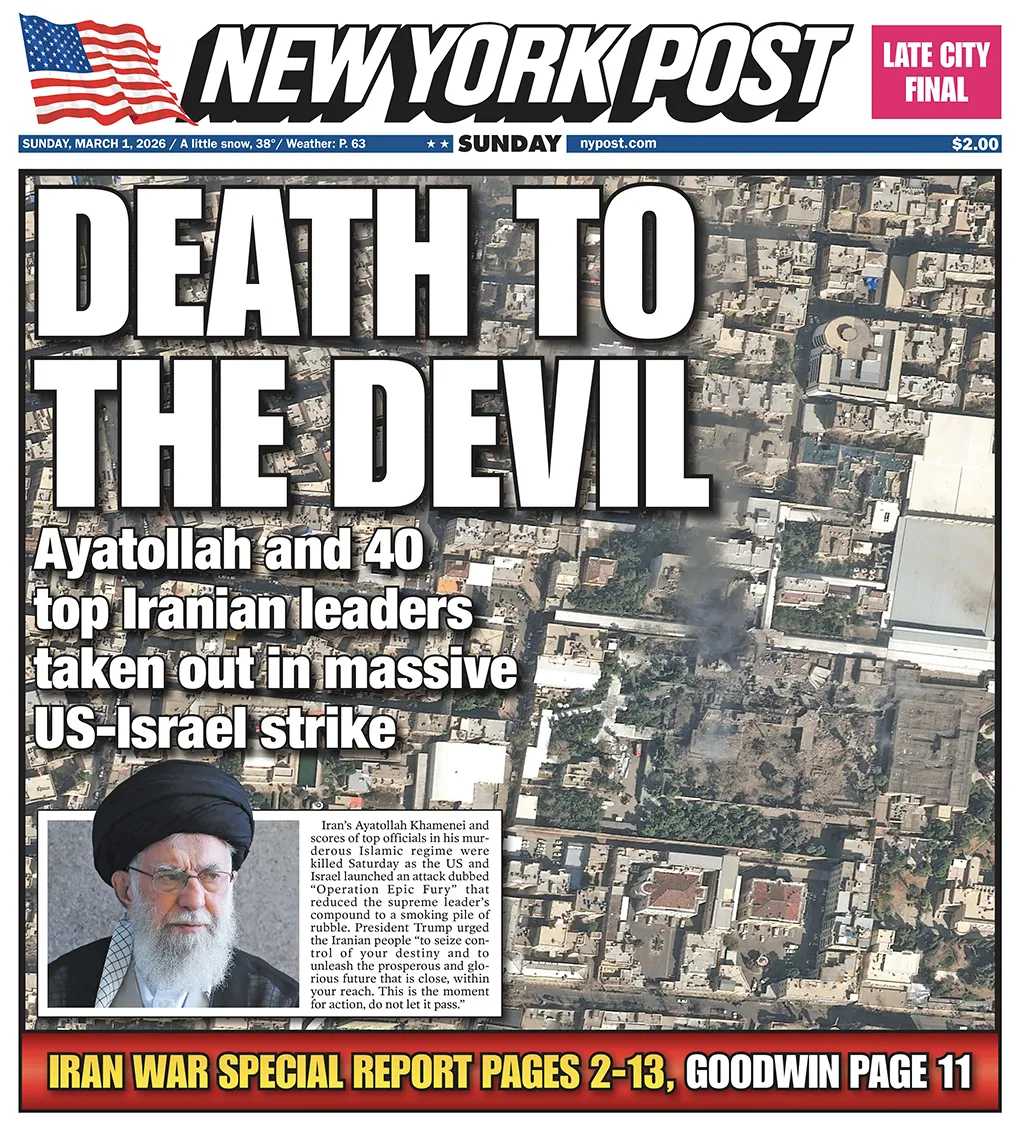
On April 8, 2026, the United States and Iran agreed to a ceasefire, brokered by Pakistan. Less than two months later, both sides were accusing each other of breaking it. By June 6, 2026, U.S. forces were striking Iranian coastal positions after Iran launched drones into the Persian Gulf. This isn't the first time this conflict has flared up—and each time, markets worry about a critical chokepoint for global oil supply.
Here's the timeline: April 8, ceasefire begins. May 26, Iran's government says the U.S. broke the deal by striking targets in Hormozgan province, a coastal region that sits beside the Strait of Hormuz. U.S. Secretary of State Marco Rubio says a new deal could take "a few days" to arrange. Then, June 6: U.S. forces strike Iranian coastal sites after another Iranian drone launch, according to Reuters. The cycle tightens.
The Nuclear Operation That Started It All
Underlying this diplomatic unraveling is a significant military strike. U.S. Defense Secretary Pete Hegseth called a U.S. strike on an Iranian nuclear facility "historically successful." The Defense Department noted that officers at the Defense Threat Reduction Agency had spent fifteen years analyzing the site—built for enriching uranium to weapons-grade levels. That's not a snap decision. That's a carefully planned, long-prepared operation.
Israel also struck targets in Iran during this broader conflict, part of a pattern of coordinated U.S.-Israeli operations against Iranian nuclear and military sites that has played out across multiple administrations.
The U.S. had already struck Iran-backed militia groups on February 2, with the Pentagon stating those operations had "good effects." Looking back now, that wasn't the end. It was the beginning of an escalation.
Why the Strait of Hormuz Matters to Your Wallet
The piece of geography that keeps traders awake is the Strait of Hormuz. In 2024, about 20 million barrels of oil moved through this narrow waterway every day—roughly one quarter of all oil traded globally by sea, according to U.S. Energy Information Administration data cited by Yahoo Finance. Most of that goes to Asia: China, India, Japan, and South Korea. A lot of it is liquefied natural gas from Qatar.
Iran has a long-standing doctrine—this isn't theory, it's documented strategy—for closing or partially strangling the strait. They can mine it. They can send fast attack boats after tanker ships. They can fire shore-based missiles at vessels moving through the 33-kilometer-wide navigable channel. Hormozgan province, the exact place Iran said the U.S. struck on May 26, houses that missile infrastructure.
Complete closure is rare and usually short-lived because the U.S. Navy is right there. But partial disruption—insurance companies get nervous, war-risk premiums spike, shipping companies reroute around Africa's Cape of Good Hope—adds weeks to voyages and hundreds of thousands of dollars in fuel costs per ship. That cost ripples into energy prices in Europe and Asia within four to six weeks.
We've seen this before. In 2019, when tanker ships were attacked in the Gulf of Oman, war-risk insurance premiums for Hormuz passages jumped tenfold in days. Brent crude oil spiked, then fell back as the threat receded and the U.S. Navy presence was reinforced. This time is different: the U.S. is striking targets inside Iran itself, not just managing proxy attacks on ships. That's a bigger risk.
Why This Ceasefire Was Always Fragile
Pakistan brokered the April 8 deal—an unusual choice, but Pakistan has historical credibility as a back-channel negotiator in the region. Iran had rejected an earlier draft before accepting Pakistan's mediated terms. That suggests Tehran had doubts about some clauses—possibly around inspections, nuclear site access, or how quickly sanctions would be lifted—that never got fully resolved.
The blame-trading that followed is textbook ceasefire behavior without solid verification mechanisms. Both sides have a playbook: accuse the other of violations, leave room for tactical moves, but pretend to keep the peace alive. Rubio's statement on May 26 that a deal might take "a few days" showed Washington still wanted a negotiated pause. But the June 6 drone and coastal strikes suggest military actions were moving faster than diplomacy could keep up.
Where This Could Go Next
The conflict has moved through several distinct phases: militia strikes, accusations of violations, nuclear facility strikes, coastal bombardments, and drone exchanges in the Gulf. The real question for financial markets is not whether things could get worse—they plainly could—but what the next major breaking point looks like.
The most dangerous near-term threshold would be any military event that actually blocks tanker traffic through the strait. Another would be if Lloyd's of London, the shipping insurance market, officially declares the full Persian Gulf a war zone. That forces ship owners to buy special war-risk insurance, which often causes tanker supply in the region to dry up fast. A third threshold would be Iranian attacks on Saudi or Gulf oil infrastructure—facilities like Saudi Aramco's Abqaiq and Khurais refineries—which would disrupt supply far beyond just the strait.
Rubio's "few days" comment from May 26 is now two weeks old, replaced by fresh strikes. Whether both sides find a verifiable way to step back—or whether this settles into a low-intensity simmering conflict with periodic flare-ups—will be determined largely by whether they can each find face-saving off-ramps. So far, they haven't grasped them.
Energy markets, credit spreads for Gulf states, and global shipping insurance are all pricing this conflict's trajectory in real time. They are, in effect, running a vote on the odds every trading day.