A U.S.-Iran Peace Deal Ends Energy's Geopolitical Risk Premium

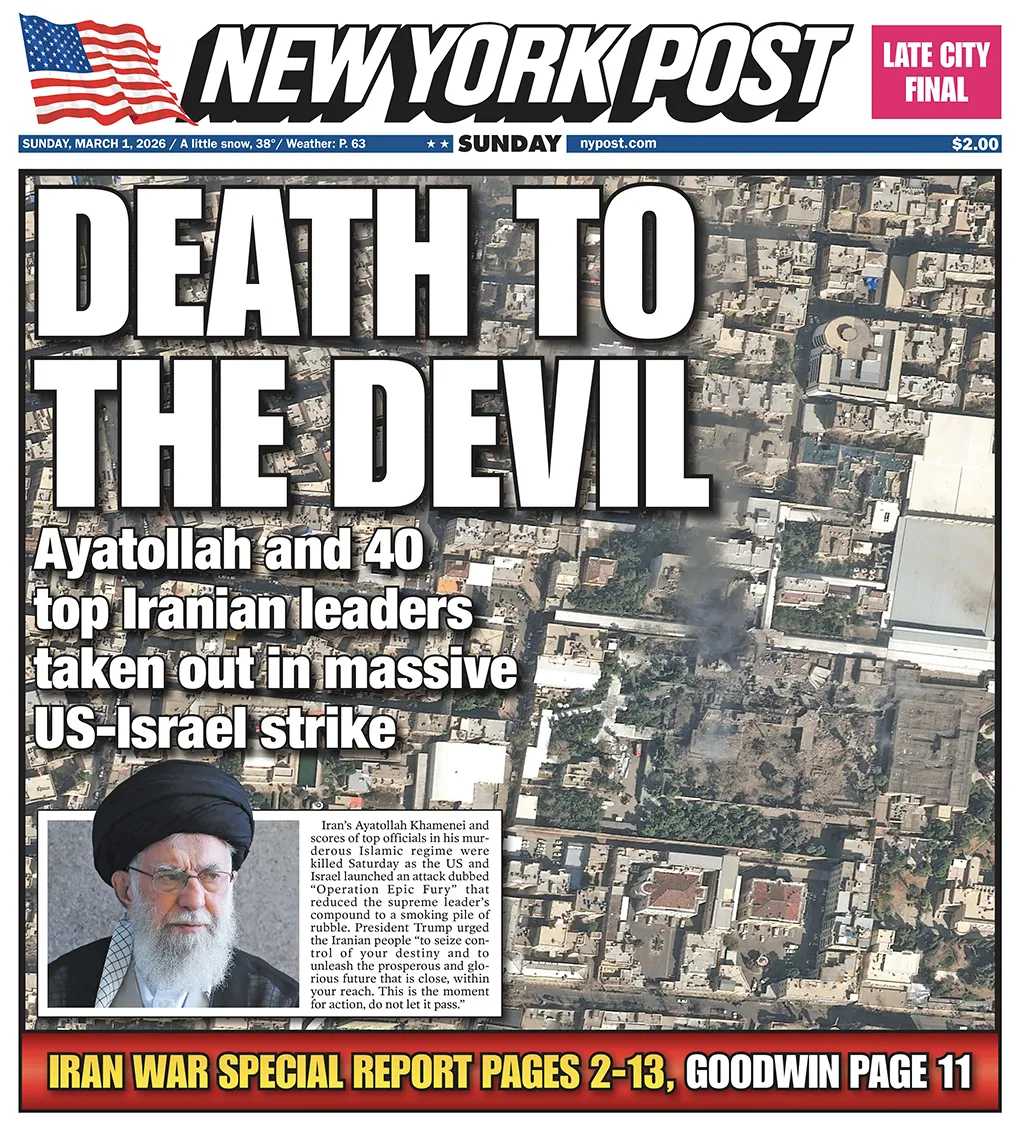
The United States and Iran announced a peace deal on Sunday, June 15, 2026, ending a conflict that had lasted nearly four months and kept energy prices elevated throughout. The Wall Street Journal reported on how fragile the final negotiations were, with Iran threatening to walk away after Israeli military strikes near Beirut nearly derailed talks.
The deal's foundations were laid on April 8, when a two-week ceasefire brokered by Pakistan halted active fighting and created the diplomatic space for Sunday's agreement. Pakistan played a notable role as mediator—a non-belligerent with credible channels to both Washington and Tehran.
Energy Markets: What Changes Now
For traders and investors, the immediate question is straightforward: what does a lasting U.S.-Iran peace mean for the "risk premium"—the extra cost built into crude oil and natural gas prices to account for Middle East instability? The conflict had kept that premium in place since February. Its end removes one of the more concrete geopolitical risks that shaped energy positioning.
Natural gas markets face a supply-heavy backdrop that existed long before the ceasefire. The EIA's Short-Term Energy Outlook projects U.S. natural gas production will grow 3.3% in 2026, reaching roughly 3.9 billion cubic feet per day—a market historically sensitive to demand shocks. That sensitivity was on full display in January 2025, when an Arctic Blast drove consumption to a record 181.2 billion cubic feet per day on January 21, per Boe Report. But the pattern reversed within days: warmer weather forecasts sent front-month futures down roughly 7%, with demand snapping back to normal levels by late January, as AGA's market indicators documented.
That episode illustrates an important distinction. Weather-driven moves in natural gas can be sharp and sudden. Geopolitical risk works differently—it builds into prices gradually over weeks, not hours. The peace deal's unwind of the Gulf risk premium will likely unfold over multiple trading sessions as dealers reassess Iranian export capacity, shipping risks through the Strait of Hormuz, and the routing of liquefied natural gas flows that may have shifted during the conflict.
What Remains Unresolved
A peace announcement is not the same as a final settlement of the underlying tensions. The talks nearly collapsed on June 14, when Israeli military activity near Beirut prompted Iran to threaten withdrawal. That episode is a reminder that regional dynamics—particularly involving third parties—can still destabilize bilateral agreements between Washington and Tehran. Whether Israel is formally part of or bound by the peace terms is a material detail that has not been confirmed in public reporting.
There is a second point worth flagging. The path from peace deal to a meaningful return of Iranian crude to world markets is neither automatic nor quick. Sanctions rules, maintenance backlogs in Iranian oil infrastructure, and OPEC+ production quotas all affect when—and whether—Iranian barrels reenter global trade in volume. Any trader pricing in a large, immediate supply surge is moving faster than the actual operational and political timeline would suggest.
For U.S. natural gas, the bigger forces are domestic, not regional. With production set to add nearly 3.9 billion cubic feet per day this year, the structural direction of the market is determined by U.S. shale fields like the Permian and Haynesville, not by the Strait of Hormuz. The peace deal removes a risk overhead; it does not change the underlying supply growth that is the dominant pricing factor for U.S. natural gas through the rest of 2026.