Why Iran and Israel's Ceasefire Matters—But Isn't Really Peace Yet

Why Iran and Israel's Ceasefire Matters—But Isn't Really Peace Yet
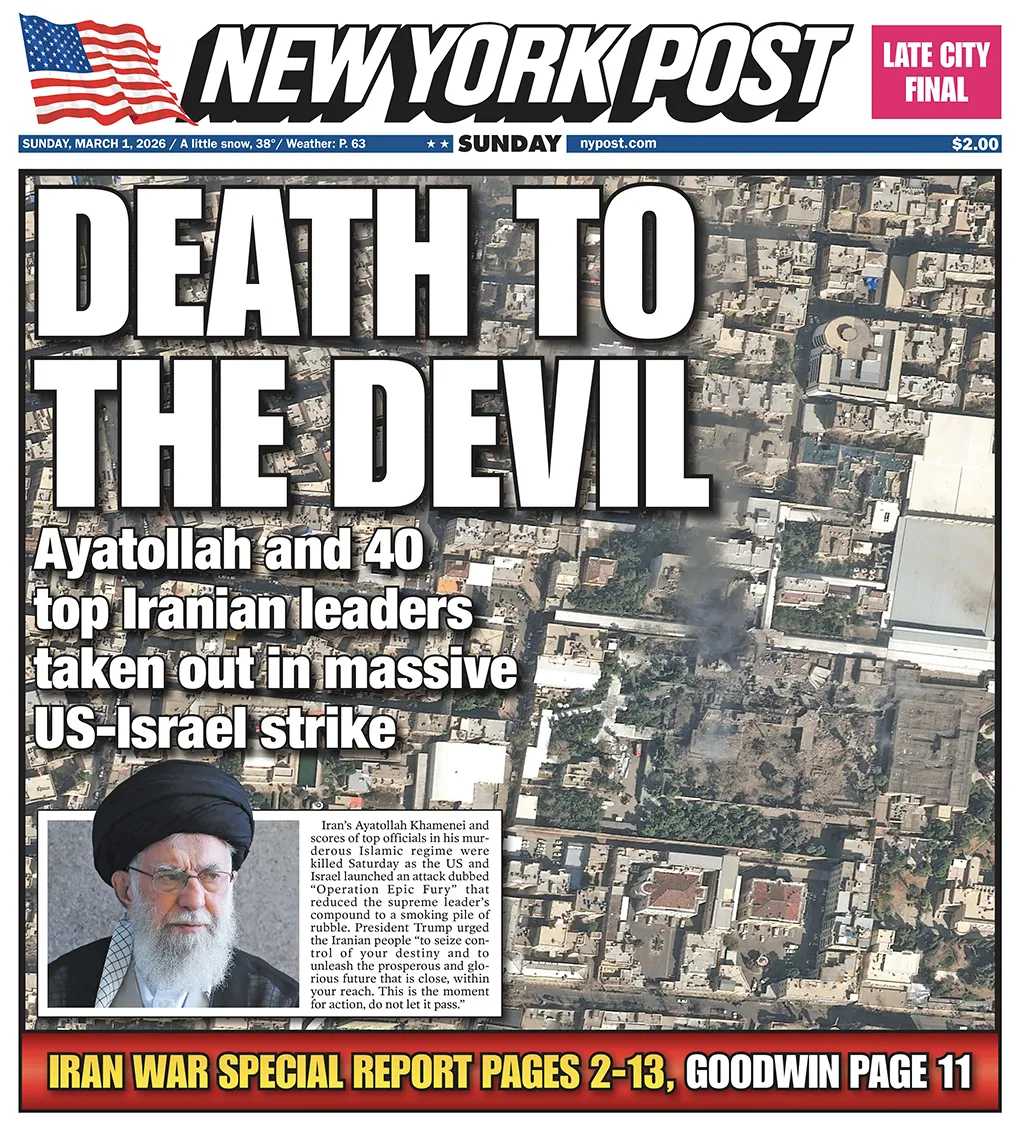
Iran and Israel announced on June 8–9, 2026 that they were halting strikes on each other following their first direct exchange of fire since the April 2026 ceasefire deal took effect, according to Reuters and AP. The Iranian military confirmed it was suspending offensive operations, and both sides relaxed their restrictions as part of the pause. But this isn't a new peace treaty. It's more like patching a crack in an existing structure—one that's already been broken once and multiple parties have said is dangerously close to failing again.
To make sense of what's happening now, the timeline is essential.
The April Deal: Operation Epic Fury
On April 8, 2026, the White House announced that Iran had agreed to a ceasefire as part of Trump administration talks. The deal included reopening the Strait of Hormuz—a critical shipping channel. On the same day, Israel's Prime Minister's Office said Israel supported suspending its strikes against Iran for two weeks, as long as Iran opened the Strait immediately.
But Israel added a crucial exception: the ceasefire with Iran did not cover Hezbollah, the Lebanese militia backed by Iran. The Israeli government reaffirmed this distinction as recently as June 4, 2026, and President Trump backed the position. This carve-out is the weak point in the whole arrangement—the spot where the framework keeps fracturing.
A separate ten-day pause between Israel and Lebanon was announced on April 16, 2026 to create space for peace talks. The State Department described the broader framework as built to allow diplomacy while Iran continued its regional conduct—in other words, a temporary pause while negotiations happened, not a permanent settlement.
The Framework Cracks: Early June 2026
By the first week of June, the deal was showing strain. On June 2, Iran's Foreign Ministry accused the United States and Israel of repeatedly violating ceasefire terms across all fronts. The same day, Iranian parliament speaker Mohammad Baqer Ghalibaf warned that nuclear talks could be suspended if Israeli attacks in Lebanon kept happening—a signal that Iran was tying what happens in Lebanon directly to whether it negotiates on nuclear matters with the US and others.
On June 3, the United States, Lebanon, and Israel released a joint statement after high-level talks, with all three condemning Iranian attacks. The fact that Washington kept all three at the table suggests the negotiating mechanism itself hasn't broken down—though the ceasefire had clearly frayed.
Iranian Foreign Minister Abbas Araghchi, speaking from Brussels, called the original US-Israel military campaign a "strategic failure" aimed at derailing diplomacy. Yet at the same moment, he signaled Iran's willingness to talk if treated with respect. This pattern—hardening rhetoric while keeping diplomatic channels open—has been Tehran's consistent posture since spring.
Why the Strait of Hormuz Matters to Your Money
The Strait of Hormuz isn't just geographic background. It's the link between this regional conflict and your wallet. About one-fifth of the world's oil travels through that waterway each day. When Iran blocked shipments there after the March 2026 US-Israel strikes, Bloomberg reported that oil and gas prices jumped sharply. Iran had also attacked Qatari natural gas facilities around the same time, adding to the shock. A sustained closure wouldn't be a small supply bump—it would be a major jolt to global energy markets.
Higher oil prices squeeze the global economy in two directions at once: they push inflation up (you pay more at the pump and in goods shipped long distances) while simultaneously choking off economic growth (people and businesses spend less on other things). Central banks face a bind: tighten monetary policy to fight inflation and risk tipping the economy into recession, or hold back and risk letting inflation expectations spiral. A March 2026 Bloomberg analysis laid out exactly this scenario.
That's why reopening the Strait wasn't just diplomatic theater in the April ceasefire. It was the move that directly deflated the biggest risk that oil traders had been pricing into crude prices since the conflict intensified. In practical terms: the ceasefire deal made oil markets less fearful. That matters to everyone with a pension, a savings account, or a mortgage pegged to inflation expectations.
Ceasefires That Hold in Theory But Fray in Practice
This isn't the first time we've seen this pattern. The 2006 Lebanon War between Israel and Hezbollah ended with a UN-backed ceasefire agreement that was formally respected but constantly contested on implementation. Both sides accused the other of breaking it while preserving the notional framework. The current arrangement has that same character: the April 2026 ceasefire is formally intact, patched up by the June 8–9 halt, but operationally contested—especially in Lebanon, where the Hezbollah exception creates a gray zone that neither side has resolved.
We saw something similar happen even more recently. A State Department briefing from June 24, 2025 noted that President Trump had publicly expressed frustration with both Israel and Iran for breaching an earlier ceasefire deal. That rare symmetrical criticism showed how hard it is to hold multiple parties to one agreement when what they actually want is different.
The broader context here is that ceasefires built on incomplete resolutions of underlying disputes tend to be fragile. When the fundamental reasons parties are fighting haven't changed, they usually find a reason to resume.
What Gets Settled—And What Doesn't
The June 2026 halt puts things back where they were in April. It doesn't resolve the Hezbollah question, which is the immediate flashpoint. It doesn't erase Iran's stated right to retaliate—Araghchi's warning that the ceasefire is brittle and Iran may respond to violations remains in force. And it doesn't address the nuclear diplomacy track, which Ghalibaf explicitly connected to Israeli actions in Lebanon.
For investors and policymakers watching this, the critical questions are: Does the Strait of Hormuz stay open? Does the Israel-Lebanon situation stabilize? And does the US-Iran diplomatic channel—which Iran has kept alive even while accusing others of violations—actually produce a deal?
Israel's official position, laid out in a daily status update from March 9, 2026, has been straightforward: Iran must stop striking countries in the region immediately. That demand still stands. The ceasefire framework built around it is still standing—just barely.
The structural tension between the Iran ceasefire and the Hezbollah exception wasn't a mistake in the April framework; it was a deliberate design choice by Israel and the US from the start. Until that gap is either explicitly negotiated or one side closes it by force, the odds of further clashes—and further tests of whether oil prices will spike again—stay higher than they would in genuine peacetime. The framework works only so long as both sides accept its contradictions. The moment one decides it doesn't, things could unravel quickly.