Carney Set to Announce Churchill Falls Deal Between Quebec and Newfoundland and Labrador

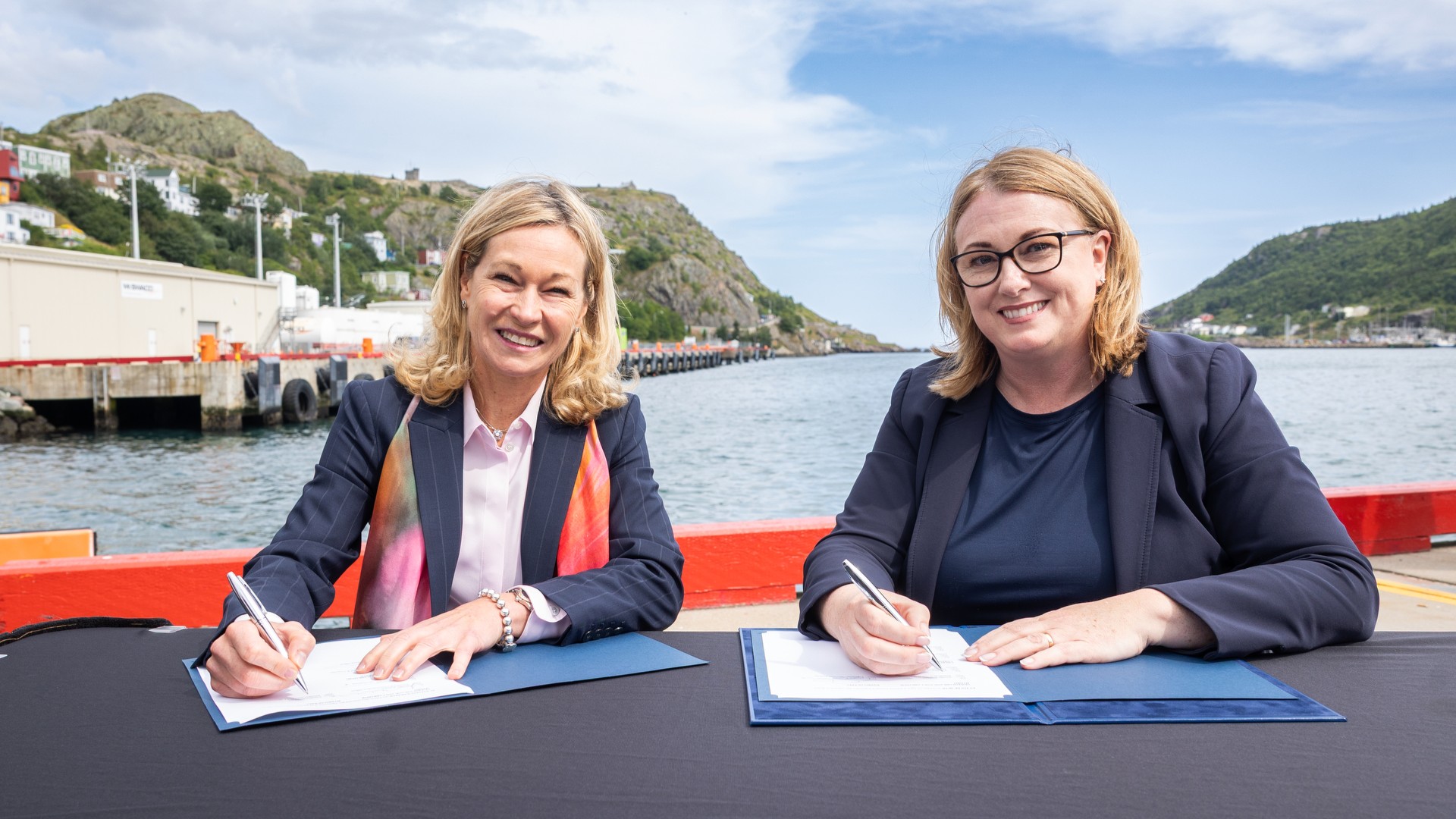
Prime Minister Mark Carney is set to make an announcement on energy security, joined by Newfoundland and Labrador Premier Tony Wakeham and Quebec Premier Christine Fréchette, following reports that the two provinces have reached a deal on Churchill Falls (The Globe and Mail).
The announcement, listed on Carney's public itinerary, comes after La Presse reported that Quebec and Newfoundland and Labrador had reached an agreement on the Churchill Falls generating station, with Ottawa playing a facilitating role through financial incentives (The Globe and Mail). CTV News reported on August 12, 2026, that the new deal would be announced the following week (CTV News.
The Churchill Falls generating station in Labrador is jointly owned by the hydro utilities of Quebec and Newfoundland and Labrador under a contract signed in 1969. That original contract, as described by the Government of Newfoundland and Labrador, provided for Hydro-Québec to build a megaproject on the Churchill River in return for obligations imposed on Newfoundland and Labrador (Government of Newfoundland and Labrador).
In December 2024, Quebec Premier François Legault announced a framework agreement (entente de principe) between the two provinces to replace the 1969 deal. The framework increased the price Newfoundland and Labrador receives from Quebec for its power and covered the joint development of new generation capacity (Reuters). The revamped deal guarantees Newfoundland and Labrador transmission access of 985 megawatts through Quebec's network to sell power to other markets (CBC News).
The path to a final agreement was not straightforward. After Premier Wakeham was elected in fall 2025, he ordered a review of the Churchill Falls deal and sent a negotiating team back to the bargaining table (The Globe and Mail). On December 15, 2025, Wakeham announced the creation of a new Independent Review Committee signed between Newfoundland and Labrador Hydro and another party (Government of Newfoundland and Labrador). On June 5, 2026, he appointed a three-member Churchill River Negotiations Oversight Committee (Government of Newfoundland and Labrador).
Wakeham met with Carney on Parliament Hill in Ottawa in November 2025 (The Globe and Mail). That meeting followed Carney's September 11, 2025, announcement of the first projects to be reviewed under a process to diversify Canada's trading partners and meet global demand for secure, low-carbon energy. Churchill Falls and Gull Island were among the projects named (Prime Minister's Office). Two weeks earlier, on August 29, 2025, Carney launched the Major Projects Office to fast-track nation-building projects with a focus on Canada's energy sector, resiliency, and prosperity (Prime Minister's Office).
Newfoundland and Labrador Hydro's annual report states that the new rates paid by Hydro-Québec for Churchill Falls power from the existing plant would bring roughly $180 billion to the Newfoundland and Labrador treasury over the life of the arrangement (Newfoundland and Labrador Hydro Annual Report).
The Government of Quebec has stated that discussions are underway with Newfoundland and Labrador regarding the supply of Churchill Falls power after 2041, when the current contract term expires (Government of Quebec).
The broader context here is one of federal leverage applied to a bilateral file that has bedevilled federal-provincial relations for more than half a century. The 1969 Churchill Falls contract became a defining grievance in Newfoundland and Labrador's political culture, seen as locking the province into below-market rates while Hydro-Québec resold the power at substantial profit. In plain terms, Newfoundland and Labrador was locked into selling its electricity at a fraction of what it was worth on the open market, while Quebec collected the difference. Successive provincial governments in St. John's sought legal and political remedies without success. The 2024 framework agreement under Premier Legault broke that impasse, but Wakeham's decision to reopen negotiations after his election in 2025 introduced a new variable. The fact that a final deal now appears to have been reached, with Ottawa facilitating through financial incentives, places the Carney government squarely in the role of broker on an interprovincial energy file with national implications.
For the federal government, the Churchill Falls resolution fits within a broader architecture. The Major Projects Office, launched in August 2025, and the September 2025 trade-diversification review process both position energy infrastructure as central to Carney's economic agenda. Naming Churchill Falls and Gull Island as priority projects signalled that Ottawa views Labrador's hydro potential as a nation-building asset, not merely a provincial concern. The reported deal, with its guaranteed 985-megawatt transmission access through Quebec, could open new export pathways for Newfoundland and Labrador power to markets beyond Quebec. Whether the financial incentives Ottawa reportedly offered become a template for resolving other interprovincial energy disputes will be a question for those watching the Major Projects Office pipeline in the months ahead.