A Boat Called Kate Sets Sail from Bristol to Challenge Israel's Gaza Blockade
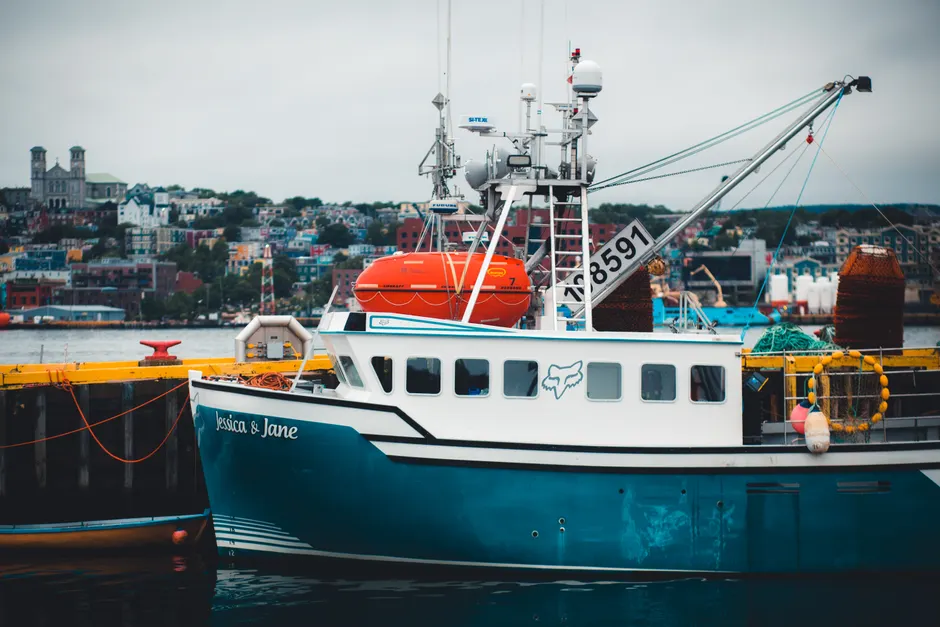
On 17 August 2026, a vessel named Kate departed from Hannover Quay in Bristol, UK, carrying twelve activists including the captain, as part of the Freedom Flotilla Coalition's ongoing campaign to break Israel's blockade of Gaza (Al Jazeera).
The Kate's captain is Fiacc O Brolchain, an Irish sailor who was detained by Israeli forces earlier in 2026 during a previous flotilla mission. His return to the helm signals the coalition's willingness to redeploy activists who have already faced interception and detention. The voyage was sponsored by the Freedom Flotilla Coalition (FFC), which had organized the vessel's departure from Bristol with crew including local activists from the city (Instagram, FFC, 13 Aug 2026).
In the days before departure, Bristol Palestine Solidarity Campaign organized a graffiti and mural painting event on 10–12 August to decorate the Kate ahead of its voyage (Facebook, Bristol PSC, 11 Aug 2026). Supporters seeing the crew off included Dr. Swee Ang, founder of Medical Aid for Palestinians; Welsh nurse Leigh Evans; and professor David Miller.
The Kate's departure is the latest action within the Global Sumud Flotilla, a $24 million campaign comprising scores of boats deployed in successive waves. The flotilla launched its first mission in 2025, followed by a larger wave in April 2026 that included approximately 20 French boats setting sail to join the international effort (Le Monde) and preparations in northeastern Spain for a 70-boat deployment toward the Gaza Strip (Al Jazeera, 12 Apr 2026).
Israel's interception record against these efforts is extensive. Frank Romano, a member of the Freedom Flotilla Coalition and an international lawyer who has represented Palestinian cases before the International Court of Justice, states that since October 2023 Israeli forces have intercepted and detained more than 75 solidarity ships and boats, with only two vessels successfully retrieved. Romano's own vessel, the Handala, named after the character created by Palestinian artist Naji al-Ali, was intercepted and detained in July 2025.
The pattern of interceptions has continued across successive waves. In late April 2026, Israeli forces seized Gaza aid ships in international waters near Greece, according to flotilla organizers (Reuters, 30 Apr 2026). On 18 May 2026, Israeli forces intercepted 10 boats from a flotilla of aid vessels bound for Gaza (Reuters). By 19 May, flotilla organizers reported that Israeli forces had intercepted 41 vessels in total, with 10 still sailing during that renewed attempt (Reuters, 20 May 2026).
Swedish activist Greta Thunberg was among the flotilla passengers detained by Israel when their boat, the Alma, was intercepted in October. Irish activist Colm Byrne, who participated in previous flotilla attempts, was intercepted by Israeli forces in April 2026 more than 1,000 kilometers from Gaza, showing the geographic reach of Israel's interdiction operations.
The broader context here is a sustained campaign of maritime civil disobedience that has absorbed significant financial and organizational resources on one side, and a systematic naval interdiction posture on the other. The $24 million invested in the Global Sumud Flotilla, spread across multiple waves and dozens of vessels, has not translated into a successful breach of the blockade. Each wave has been met with interception, sometimes at considerable distance from Gaza's territorial waters. The deployment of a single vessel from Bristol rather than another mass flotilla may reflect operational adjustments after the losses of April and May, when dozens of boats were seized or turned back. Whether a smaller-profile approach alters the interception calculus is a question the Kate's voyage will answer in the coming weeks as it transits toward the eastern Mediterranean.
What remains consistent across all waves is the legal and rhetorical framing. The FFC positions its missions as aid delivery and solidarity actions under international maritime and humanitarian law. Israel frames its naval blockade as a security necessity and has acted to enforce it in international waters. Romano's role as an ICJ-affiliated lawyer gives the coalition's legal posture institutional weight, though no flotilla action to date has produced a binding legal ruling on the blockade's enforcement parameters.