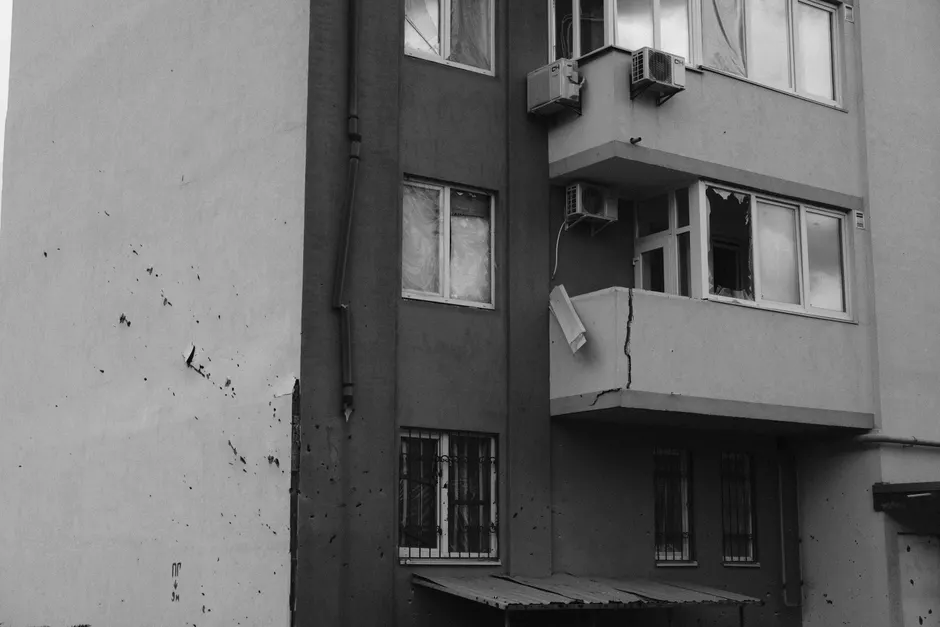
Israeli Drone Strike on Gaza Café Kills Six as Diplomatic Track Stalls
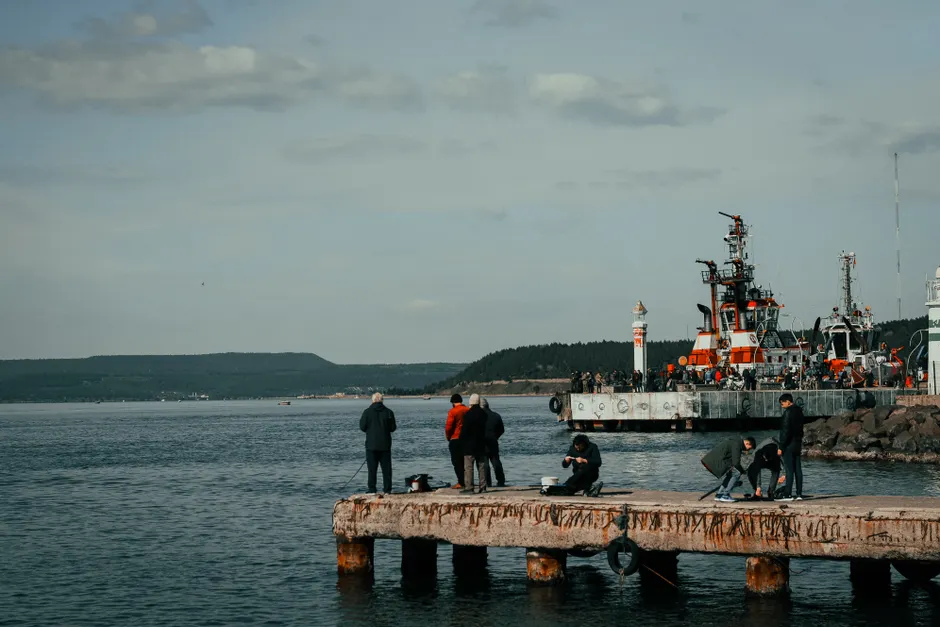
An Israeli drone strike on a seaside café in western Gaza City killed six Palestinians, including a child, and wounded 14 others on August 18, 2026. Eyewitnesses reported that an Israeli drone fired two missiles at the small café inside the fishing harbour, which was crowded at the time of the attack (Anadolu Agency) (Reuters).
The Israel Defense Forces (IDF) stated that the strike in the Shati area of Gaza City, near the port, targeted a meeting of Hamas elite Nukhba force commanders who were planning attacks against Israeli troops (Times of Israel). The Nukhba force is Hamas's special operations unit, responsible for high-profile attacks. The IDF claimed the operation killed a Nukhba force company commander, three platoon commanders, and several other operatives (Jerusalem Post). Israeli Army Radio, citing an unnamed security source, separately claimed four Hamas commanders had gathered at the café when the strike occurred (Anadolu Agency).
The strike took place the day after Jared Kushner met with Israeli Prime Minister Benjamin Netanyahu in Israel for nearly four hours. Kushner's parallel talks with both Israel and Hamas concluded without a breakthrough on the Trump Gaza plan (Reuters). A ceasefire is a temporary halt to fighting agreed by conflicting parties. After a rare direct engagement with Hamas yielded no consensus, the Israeli security establishment appears to be maintaining, or escalating, its targeted pressure on militant command structures in the coastal enclave rather than waiting for a renewed diplomatic track.
The broader context here is one of sustained, high-tempo operations with significant civilian cost. According to Reuters, at least 1,230 Palestinians, mostly civilians, have been killed in Israeli strikes since the Trump-backed Gaza peace plan was agreed in October 2025 (Reuters). The August 18 café strike follows a precedent of similar targeting choices: on May 31, 2026, a separate Israeli airstrike at a Gaza seaport café killed at least two Palestinians and wounded 12 during a public holiday (Reuters).
Looking at what this means for operational dynamics, the strike illustrates the IDF's continued reliance on intelligence-driven targeting in dense urban environments, specifically against Nukhba force personnel embedded within civilian infrastructure. The gap between the IDF's stated target, a cell of commanders, and the casualty figures reported by medics, which include a child, points to the persistent friction between Israel's counterterrorism objectives and the human cost of operating in areas with no separation between combatants and non-combatants. The verification of command-level kills remains contested, but the pattern of operations signals a continuing Israeli policy of preemptive disruption against Hamas's operational planning nodes, irrespective of the stalled ceasefire negotiations.