Fed Holds Rates at 3.5–3.75% in July 2026 — But Markets Are Pricing In More Hikes

The Federal Reserve released the minutes of its July 28–29, 2026 FOMC meeting on August 19, 2026, confirming a unanimous vote to keep the interest rate paid on reserve balances (IORB) at 3.65 percent and the federal funds target range at 3-1/2 to 3-3/4 percent, effective July 30 (Federal Reserve). The hold followed a June 2026 meeting that had likewise held the IORB at 3.65 percent effective June 18 (Federal Reserve).
During the period between meetings, nominal Treasury yields rose 25 to 30 basis points. A basis point is one-hundredth of a percentage point, so 30 basis points equals 0.30 percentage points. The increase was driven by rising real interest rates — that is, yields after stripping out expected inflation — rather than by a surge in inflation expectations. The minutes note that longer-term inflation compensation remained stable and consistent with the Committee's 2 percent longer-run objective (Federal Reserve). Oil prices ended higher over the same window, following an escalation of tensions in the Middle East. That fed into the real-rate move through growth and term-premium channels rather than through any break in the inflation anchor.
Repo markets — short-term lending markets where banks borrow cash against government securities — experienced a brief softness patch during the intermeeting period, temporarily dragging the effective federal funds rate down 1 basis point before recovering. The dollar continued to appreciate, consistent with a widening interest rate gap between the U.S. and other economies and heavy equity inflows (Federal Reserve).
Despite the unanimous hold, the market's pricing of the path ahead was anything but calm. Markets assigned roughly a one-in-three chance of a hike at the July meeting itself, with no action as the base case. Looking further out, the futures curve fully priced in a 25 basis point hike by the September 2026 meeting and another 25 by the end of the first quarter of 2027. The median respondent to the Open Market Desk Survey of Market Expectations was more dovish, expecting no change in the policy rate this year or next, with a first cut not arriving until early 2028 (Federal Reserve).
The divergence between the Desk Survey median and the futures-implied path is worth flagging. The Desk Survey captures expectations from primary dealers and market participants in a survey format, which tends to be stickier and reflect baseline macro views. The futures curve, by contrast, can be pushed around by positioning flows and event-risk hedging. The gap between the two suggests either the market is overpricing the hiking cycle relative to dealer consensus, or dealers are underpricing the risk that sticky real rates and geopolitical energy shocks force the Committee's hand. Either way, the spread between these two measures is a useful barometer for how much of the recent yield backup is fundamentally grounded versus positioning-driven.
Equity markets were relatively contained over the intermeeting period, with the S&P 500 down marginally. The AI-related infrastructure trade, which had outperformed both the S&P 500 and hyperscaler firms since the start of 2026, stalled. Credit spreads for hyperscaler firms widened further relative to investment-grade issuers. Recent data also confirmed that redemption requests to business development companies continued to increase in the second quarter of 2026 (Federal Reserve).
The broader context here matters. The combination of stalling AI-infrastructure momentum, widening hyperscaler credit spreads, and accelerating BDC redemptions points to a tightening in private credit and risk-adjacent funding that bears monitoring. If the FOMC does follow the path the futures curve is pricing, these pressure points in the plumbing of credit markets are the most likely channels through which a tightening cycle would transmit to the real economy.
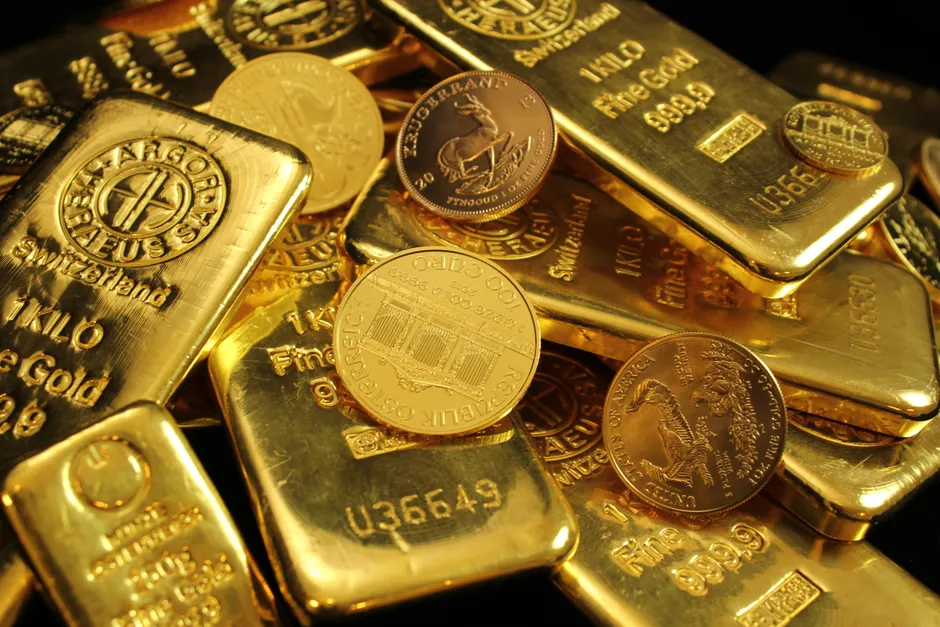
Gold markets reflected the crosscurrents. Spot gold fell 1.2 percent to $4,026.49 per ounce on July 28 as the dollar hovered near a one-month peak (Reuters). On July 29, gold erased earlier losses to rise 2 percent as the Fed held rates steady (Reuters). By August 17, spot gold rose 0.9 percent to $4,417.24, supported by a weaker dollar (Reuters). The following day, August 18, gold prices fell as Treasury yields surged to their highest levels in decades amid rising energy prices on escalating U.S.–Iran tensions (Reuters).
The August 18 yield surge and gold pullback occurred after the July minutes' reference period had closed, meaning the minutes do not capture the latest leg of the rate move. What the minutes do capture is a Committee unanimous on hold but operating against a backdrop of rising real rates, an appreciating dollar, geopolitical energy risk, and a futures curve that has already committed to two more hikes. The Desk Survey's more dovish median suggests not all market participants are convinced that cycle plays out. The tension between those two views is the story to watch into September.