Mark Zuckerberg Buys a 19th-Century Castle in Ireland
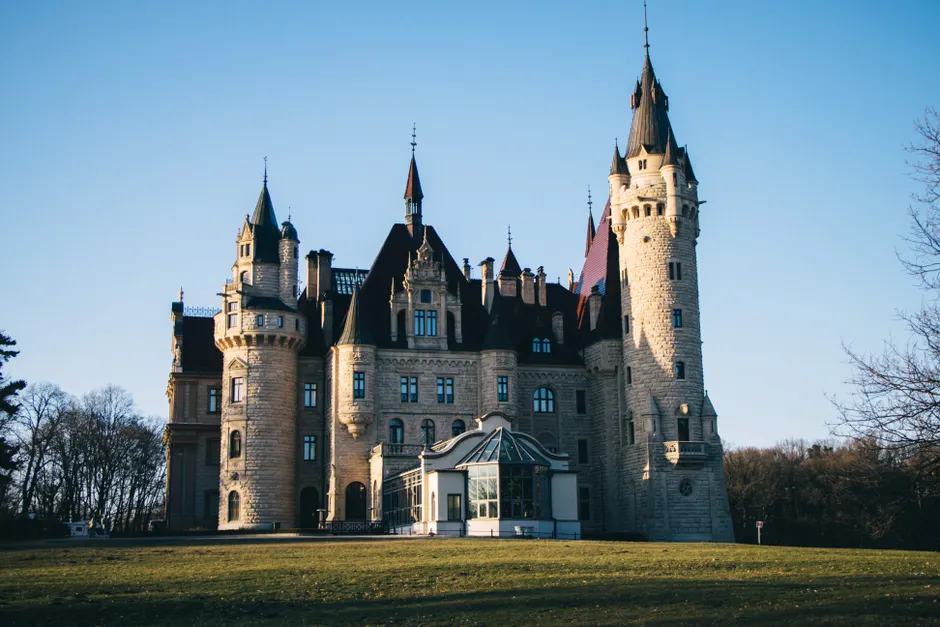
Mark Zuckerberg has purchased Strancally Castle, a 19th-century estate near Waterford, Ireland, along with its 440-acre grounds, in a transaction reported on August 20, 2026. The purchase price was estimated at $23 million to $35 million, roughly €20 million to €30 million, according to TechCrunch and Waterford News.
A Meta spokesperson confirmed the acquisition, stating that Mark and his family are excited to continue caring for the historic home and look forward to spending time in Ireland (TechCrunch). The seller was a financier who had lived at the property with his family for 25 years.
Strancally Castle sits near Waterford, about a two-hour drive from Dublin. The estate includes roughly 16,000 square feet of interior space with at least 11 bedrooms, four tower suites, a library, a dining room, and a drawing room (Connacht Tribune). The Irish Times has noted that the castle is immortalised in verse as the site of gruesome deeds, a detail that speaks to the property's long history in local lore (Irish Times).
The Ireland connection is not incidental to Meta's corporate footprint. The company maintains its international headquarters in Dublin and opened a 31,000-square-foot data center in Clonee, about 20 minutes from the city, in 2017 (Meta Careers). Zuckerberg's personal acquisition of a substantial estate roughly two hours from that operational hub places a residential footprint alongside an already significant business presence in the country.
This is not Zuckerberg's only major real estate move recently. He and his wife reportedly spent $170 million on a home in the same Miami neighborhood as Jeff Bezos (TechCrunch). The Miami purchase and the Irish castle acquisition together place Zuckerberg among the cohort of technology billionaires putting substantial capital into trophy real estate across multiple geographies.
The Strancally purchase stands out for the scale of the estate. At 440 acres, the property offers a level of privacy and land area that goes well beyond a typical residential purchase. The castle itself, with its 11-plus bedrooms and tower suites, is a substantial structure by any standard. The price, while eye-catching in absolute terms, is modest relative to the reported $170 million Miami expenditure and negligible against Zuckerberg's net worth.
The broader context here is what a purchase like this signals about the relationship between personal wealth, corporate footprint, and geographic strategy. Meta's Dublin headquarters anchors the company's European operations in a jurisdiction that has long been attractive to US technology firms for its favorable tax regime and English-speaking, EU-connected workforce. Zuckerberg now owns a major residential property in the same country, roughly two hours from that headquarters. Whether this is purely personal or carries any strategic dimension is a matter for speculation; the facts as reported describe a family excited to care for a historic home.
For a technology audience, the story sits at the intersection of personal wealth management and corporate geography that has become increasingly visible as founders and CEOs of the largest platform companies accumulate capital at a scale that blurs the line between personal investment and strategic positioning. The Irish castle is, on its face, a private real estate transaction. But the location, the country's role in Meta's corporate structure, and the timing alongside other major property purchases give it a dimension that extends beyond a single deed transfer.
For now, the verified facts describe a completed purchase, a confirmed Meta statement, and a property with documented physical characteristics and historical significance. The broader implications, if any, will depend on how Zuckerberg and his family actually use the estate, and whether Meta's Irish operations evolve in ways that make the Waterford location more than a rural retreat.


