Walmart and Wing Hit 1 Million Drone Deliveries: What It Actually Means

Walmart and Wing have completed 1 million drone deliveries across 66 stores in four states and five metropolitan areas, according to a Walmart announcement published May 29, 2026. This milestone arrived roughly 18 months after the two companies announced a major expansion in the Dallas-Fort Worth area in January 2024 — which at the time aimed to reach 1.8 million additional households — and it establishes the baseline from which five more metropolitan areas are now being added.
Where the Drones Are Flying
Atlanta, Charlotte, Houston, Orlando, and Tampa are joining the network, per a Walmart press release dated June 5, 2025. The choice of cities is strategic: all five are sprawling Sun Belt metros with dispersed suburban development, good weather most of the year, and the kind of spread-out shopping districts where using a delivery van to carry a single package becomes expensive and slow. Wing, which is owned by Alphabet (Google's parent company), handles both the drones themselves and the airspace management software.
To put the growth in perspective: Walmart and Wing had completed about 20,000 deliveries across seven states by early January 2024, according to reporting from CES that month. Reaching 1 million deliveries in the next 28 months represents a 50-fold increase in total volume. That growth came from expanding operations in the Dallas-Fort Worth area, learning how to run the service better, and improving the drone hardware as Wing built newer generations of the aircraft.
What 1 Million Deliveries Actually Tells Us
The raw number is impressive, but the detail that matters more is how concentrated it is: 66 stores across four states works out to roughly 17 stores per state. That is a tight footprint compared to Walmart's approximately 4,700 locations across the United States. The 1 million figure actually reflects heavy use in a small zone rather than the service being available everywhere.
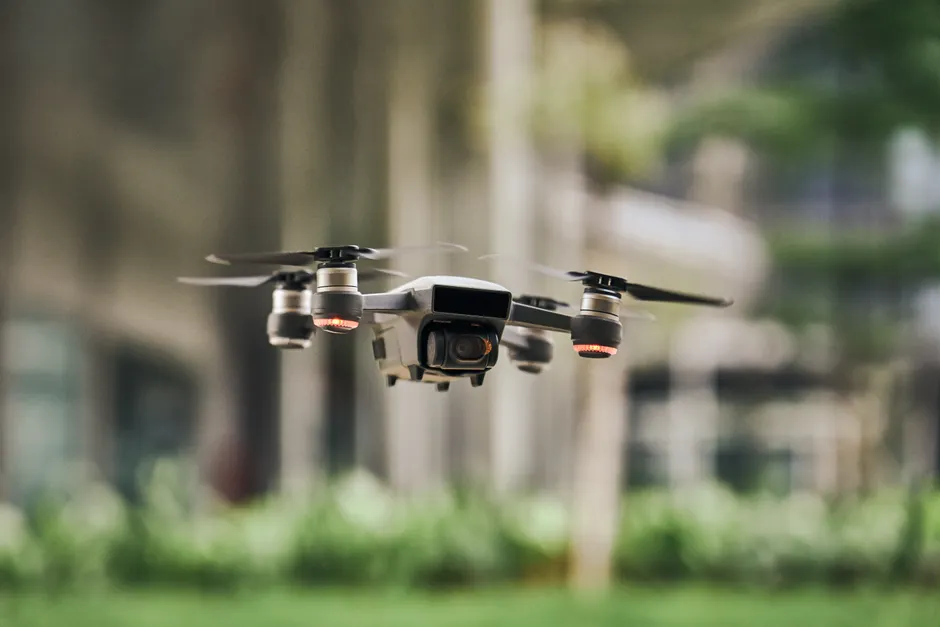
Wing's drones work by hovering above a customer's address and lowering the package on a cable rather than landing on the ground. This keeps delivery times short and means customers don't need special equipment in their yards. For suburban neighborhoods, the real constraint isn't the airspace itself but regulatory approval. Wing operates under Federal Aviation Administration (FAA) commercial air carrier certification and needs specific waivers — called BVLOS approvals, or "beyond visual line of sight" — for each area where it wants to fly drones without a person watching them constantly.
Adding Atlanta, Charlotte, Houston, Orlando, and Tampa would significantly expand the pool of suburban neighborhoods that could use the service. Houston alone — the nation's fourth-largest city with neighborhoods spread over a huge area — could open up thousands of potential delivery addresses if Wing can secure the right regulatory permissions.
The Money Question
Drone delivery isn't being sold as a speed service. It fills a specific gap: small, urgent orders like a forgotten medicine, a phone charger, or an ingredient for dinner, where waiting for a scheduled delivery window isn't acceptable but a delivery van would be wasteful for one package.
Traditional delivery is getting more expensive. Driver pay, fuel, insurance, and software costs add up quickly, especially when the package costs less than $50. At that price point, conventional delivery often loses money on each order. Using drones eliminates the driver cost once you've invested in the fleet and infrastructure — though that initial investment is substantial.
The jump from 20,000 deliveries in early 2024 to 1 million by mid-2026 suggests Wing and Walmart are moving down the cost curve toward the point where individual deliveries become genuinely profitable. Walmart hasn't released per-delivery costs, so we don't know if they've crossed into positive territory yet. But the decision to keep expanding into new cities is a signal that internally, the numbers look promising enough to continue.
The Regulatory Puzzle
Each of the five new cities will require Wing to work through its own approval process with the FAA. Recent changes to airspace rules and drone identification systems have made BVLOS operations easier over the past two years, but getting permission from regulators remains the biggest variable affecting when drones can actually start flying in each city.
Some cities will be harder than others. Orlando and Atlanta are both near major commercial airports with Class B and Class C airspace — regulatory designations that mean more coordination is needed before drones can operate. When Walmart announced these five cities, it didn't say when each one would actually go live. The actual launch dates will depend on FAA decisions that haven't been made public yet.
Echoes of the Internet Boom
There's a historical pattern worth recognizing here. In the mid-1990s, broadband internet rolled out the same way: companies announced service in major cities, then faced delays running cable infrastructure, and only once neighborhoods had enough customers did the economics improve. Drone delivery is following a similar path — establishing dense service in a few zones first, then expanding outward, with regulatory approvals playing the role that physical cable-laying once did.
The comparison isn't perfect. Flying autonomous drones at low altitude has genuinely different physics and regulatory complexity than burying fiber optic cable. But the business logic is similar: build density first, expand the perimeter second, achieve profitable economics at scale third. Understanding that pattern helps set realistic expectations for how quickly the five new cities will become serious contributors to Walmart's delivery volume.
What's Next to Watch
The 1 million delivery mark puts this program past the proof-of-concept stage but well short of being a standard option at most Walmart locations. Only 66 stores out of 4,700 currently offer the service, which shows how much room there is to grow.
In the near term, three things matter most: how quickly the FAA approves drones to fly in the new cities, whether Wing can manufacture and maintain more drones to scale up, and whether competitors like Amazon Prime Air accelerate their own programs in response. Drone delivery is no longer a futuristic idea — it's an actual race between companies with real deliveries, real relationships with regulators, and real pressure to make money.
Concrete numbers in drone delivery have been rare. Now we have one, and it's worth following what happens next.