Oura Sued Over Sleep Tracking Accuracy Claims as IPO Looms
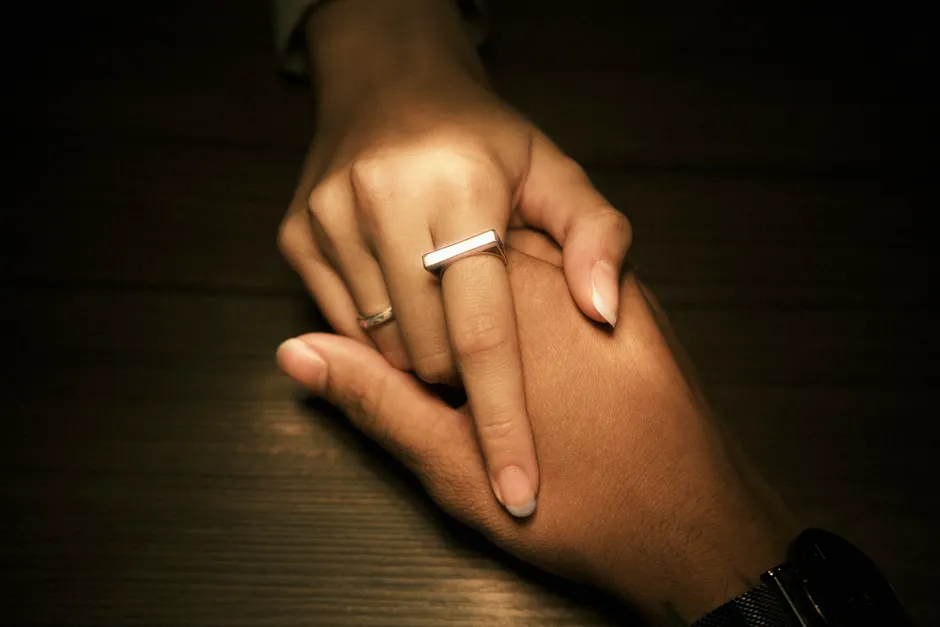
A proposed class action lawsuit filed against Oura on August 20, 2026, in San Francisco accuses the smart ring maker of misleading consumers about the accuracy of its sleep tracking features. The complaint, Surber v. Oura Inc. et al. (case number 26-cv-08686), was filed by Clarkson Law Firm and alleges that Oura rings cannot measure the physiological signals needed to assess sleep quality or determine sleep stages, relying instead on AI-generated estimates (TechCrunch).
At the center of the complaint is the argument that a finger-based wearable cannot capture the brain activity that defines sleep architecture. The complaint states that "sleep happens in the brain, not on one's finger," a framing that echoes what sleep researchers have said publicly: that devices like the Oura ring do not necessarily measure sleep directly, and that users should consider how reliable the information is (AP News).
The lawsuit targets Oura's marketing language specifically. The complaint alleges the company marketed its ring as "built for accuracy" and offering "unparalleled accuracy." It further alleges Oura claimed 79% accuracy in its measurements and later asserted 95% sleep-staging accuracy compared with clinical sleep labs. According to the complaint, the reality falls well short: Oura's sleep estimates allegedly have "a coin flip's chance of being correct."
Oura rings are priced at $300 and up, according to the complaint, which frames the purchase decision as one consumers made based on specific, quantified accuracy claims. The suit seeks to stop Oura from falsely advertising its wearables, injunctive relief to prevent continued misrepresentation of its products, and restitution for consumers who purchased the rings based on the allegedly false claims.
Ryan Clarkson, co-founder and managing partner at Clarkson Law Firm, said misinformation cannot be tolerated when people rely on a device to guide decisions about their health. Oura did not respond to TechCrunch's request for comment on the lawsuit.
The complaint draws on a documented history of user frustration. Oura users have shared complaints online for years about the ring's sleep accuracy, with some reporting they felt they slept poorly but were told by the device that their sleep had been optimal. These anecdotes predate the lawsuit but align with its central claim: that the gap between marketed precision and actual performance is not occasional error but a structural limitation of the form factor.
This is not the only legal pressure on Oura. The company faces three stock option lawsuits filed by former promoters who allege they cut deals to promote the ring in exchange for stock options worth millions of dollars that Oura did not pay (Reuters). Oura Health Oy also filed confidentially for a US initial public offering in May 2026 (Bloomberg). The IPO filing means the accuracy lawsuit, the stock option disputes, and any regulatory scrutiny of consumer health claims will likely factor into the company's pre-IPO risk disclosures and valuation conversations.
The technical question at the heart of the complaint is one the wearables industry has navigated since the first fitness bands shipped with sleep modes. Clinical sleep assessment uses polysomnography, which combines EEG (brain activity monitoring), EOG (eye movement tracking), and EMG (muscle tone measurement) to identify sleep stages. Consumer wearables, including the Oura ring, take a different approach: they infer sleep stages from peripheral signals like heart rate variability, body temperature, and movement, all captured through a technique called photoplethysmography (PPG), which uses light to measure blood flow at the skin's surface. The complaint's argument is that this inference pipeline is fundamentally an AI-generated estimate, not a direct measurement of sleep itself.
What gives the lawsuit traction is not the underlying science, which is broadly understood in the research community, but the marketing claims layered on top of it. There is a meaningful difference between a device that provides a rough sleep-score estimate and one marketed as achieving "95% sleep-staging accuracy compared with clinical sleep labs." If the plaintiffs can show that Oura's accuracy claims were not supported by peer-reviewed validation against polysomnography, the gap between marketing and evidence becomes the actionable claim.
The broader context here is an industry-wide tension. Every consumer wearables manufacturer faces the same physics: you cannot put an EEG in a ring or a wristband. Fitbit, Apple, Whoop, and Garmin all use similar PPG-plus-accelerometry approaches to infer sleep stages, and all face periodic scrutiny over accuracy. The distinction Oura's accusers are drawing is between inference and measurement, and between "approximately right" and "clinically validated." If the court agrees that Oura's specific marketing crossed that line, the precedent would pressure the entire wearables category to tighten its accuracy language, particularly when invoking comparisons to clinical sleep labs.
For now, the complaint is a proposed class action, not a ruling. Oura will have the opportunity to respond, and the certification of the class is not guaranteed. But the combination of an IPO in motion, prior promoter litigation, and now a consumer accuracy class action places the company in an unusually exposed position at a moment when investor scrutiny is intensifying.