Tornadoes and Flash Flooding Strike the Northeast: What Happened and Why It Matters
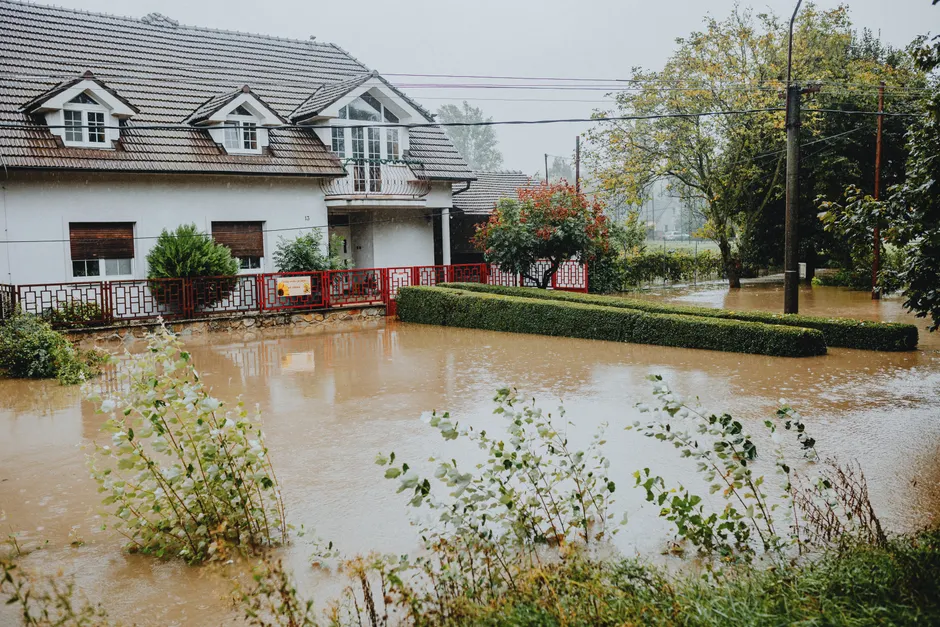
Tornadoes touched down in Dover, Delaware and on Long Island, New York on August 21, 2026, as sudden storms hammered the northeastern United States with heavy rain and flash flooding from the Mid-Atlantic through the New York metropolitan area. The National Weather Service (NWS) confirmed a tornado at Atlantic Beach on Long Island, while a trained spotter reported one in Dover during Thursday evening's storms, according to the agency's forecast office and ground observations.
A tornado is a rapidly rotating column of air extending from a thunderstorm to the ground. Flash flooding refers to floods that develop within minutes or hours of intense rainfall, often catching people off guard.
On Long Island, the tornado struck the Sun & Surf Beach Club in Atlantic Beach, where between 200 and 300 people had gathered for a party. Fire officials said club members had begun evacuating before the tornado hit, which likely limited injuries. One person sustained minor injuries. The structural damage was more severe: Nassau County Chief Fire Marshal Michael Uttaro reported major damage to at least 50 beach cabanas at the site.
Nassau County Executive Bruce Blakeman declared a state of emergency following the storm. First responders conducted water rescues for motorists trapped in vehicles by flooding across the county. The Sun & Surf and Silver Point beach clubs both announced closures until further notice as damage assessments continued.
In Dover, the Delaware capital, social media footage showed the roof of a motel torn off and structural damage to buildings along Route 13 northeast of downtown. Mayor Robin Christiansen initially imposed a state of emergency, which was lifted on Friday morning to allow residents and businesses to resume normal activities.
The flooding extended well beyond the immediate tornado paths. Part of the Long Island Expressway in the borough of Queens closed in both directions, according to New York City Emergency Management. In Jersey City, New Jersey, emergency crews rescued 69 people from vehicles overtaken by flash flooding, Mayor James Solomon confirmed. Tornadoes were also reported in Queens as the storm system tracked across the region, disrupting highway traffic across the New York metropolitan area.
The NWS's New York forecast office formally confirmed the Atlantic Beach tornado, dated August 21, 2026, while the broader storm complex continued to drench the Mid-Atlantic corridor.
The broader context here is worth pausing on. Tornado touchdowns in Delaware and coastal Long Island are relatively uncommon compared with the frequency seen in the Great Plains or the Gulf Coast states. The simultaneous occurrence of tornadoes across multiple states alongside widespread flash flooding complicates response logistics for emergency managers. The Jersey City rescues alone involved nearly 70 individuals, illustrating how quickly urban drainage systems can be overwhelmed when intense rainfall hits the flat, low-lying coastal plain typical of the region.
Nassau County's decision to declare a state of emergency reflects the scale of the infrastructure and public safety burden the storm placed on local governments. Beach clubs along the Long Island coast, built for seasonal recreational use, proved vulnerable to a direct tornado strike, and the damage to dozens of cabanas raises questions about how well seasonal coastal structures are built to withstand wind events in a region where tornado risk has historically taken a back seat to hurricane and nor'easter preparation.
Dover's rapid lifting of its state of emergency suggests the damage, while locally significant, was contained enough to allow a quick return to normal municipal operations. Whether insurance assessments and structural repairs proceed at a similar pace is a separate question for affected business owners along Route 13 and at the Atlantic Beach clubs now closed indefinitely.


