Waymo Submits Documents to NHTSA in Robotaxi-Child Collision Probe — But the Public Can't Read Them

Waymo has finished submitting documents to NHTSA as part of the regulator's investigation into a January 23 crash in which one of the company's self-driving taxis struck a 9-year-old girl at low speed in Santa Monica, California. An initial batch of Waymo's responsive documents was posted to NHTSA's website on the morning of Friday, August 21, 2026, after TechCrunch asked about them earlier in the week. The documents available at the time of publication were entirely redacted, with the company citing confidential business information. TechCrunch
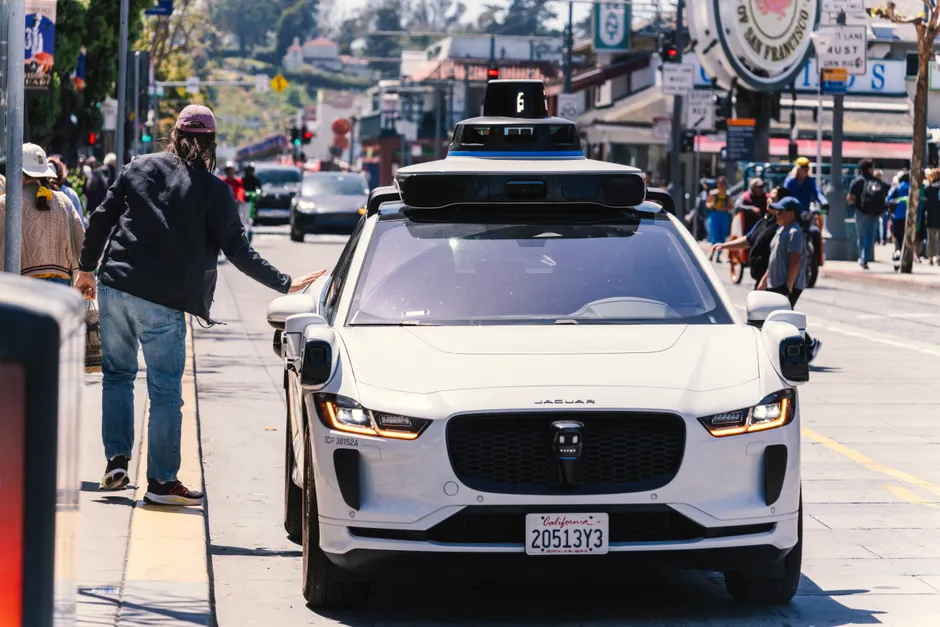
The crash involved a Waymo Jaguar I-Pace robotaxi driving near a school. According to a preliminary NTSB report released in March, the vehicle was traveling at 17 miles per hour but braked and slowed to six miles per hour before colliding with the child near its front-right headlight. The girl fell, then walked to the curb and reported minor injuries. She did not require an ambulance or medical transport. NTSB
NHTSA, the National Highway Traffic Safety Administration, announced its investigation one week after the incident. The probe, catalogued as PE26001, is separate from the NTSB's own investigation. The NTSB (National Transportation Safety Board) is an independent agency that investigates transportation accidents and typically produces a final, more detailed report after roughly 12 months.
The information request NHTSA sent to Waymo was substantial. The agency submitted 12 questions, some with sub-questions, on March 23. They covered how Waymo determines speed limits in school zones, whether the company had received complaints about how its robotaxis behave around schools, and documentation about Waymo's software. The probe also examines what NHTSA calls the "intended behavior" of Waymo's driverless vehicles in school zones and nearby areas. CNBC
Waymo's initial deadline to respond was May 8. On May 1, Matthew Schwall, Waymo's senior director of safety, wrote to NHTSA's Office of Defects Investigation requesting an extension. In the letter, Schwall stated that "the mutual goal is for Waymo to provide relevant information that facilitates ODI's investigation while avoiding extraordinary production and review burdens." Waymo also asked the agency to clarify some of its questions in the same letter.
NHTSA granted Waymo additional time to answer 10 of its 12 questions. Waymo provided partial responses in a second letter dated July 8, and the company told TechCrunch on Thursday, August 20, that it has now completed its submissions. Waymo first publicly acknowledged the investigation in a January 28 blog post titled "A commitment to transparency and road safety," in which it stated that NHTSA indicated it intended to open an investigation and that Waymo would cooperate fully. Waymo
The full redaction of the released documents limits what outside observers can assess about Waymo's responses. The company cites confidential business information as the basis for withholding the substance of its answers on software documentation, school-zone speed-limit determination, and complaint handling. NHTSA's website hosts the document set, but the publicly viewable content consists of cover letters and structural metadata rather than the substantive responses themselves.
There is a tension here that deserves attention. Waymo has publicly emphasized transparency, yet the documents most relevant to public safety questions are, at least in this initial release, inaccessible in their substance. This is not unusual in NHTSA defect investigations; automakers routinely seek confidential treatment for engineering and software documentation on competitive grounds. But the dynamic is particularly pointed here because the questions concern vehicle behavior in school zones, a context where public interest in operational detail is acute.
The dual-track regulatory process also matters. NHTSA's Office of Defects Investigation can lead to recalls or other enforcement actions, while the NTSB produces findings and recommendations but lacks enforcement authority. The NTSB's final report, expected roughly a year from the incident, will likely provide the most detailed public account of what occurred, including the vehicle's perception and decision-making chain. Until then, the NHTSA investigation proceeds with its evidentiary foundation largely shielded from public view.
NHTSA's broader reporting framework requires autonomous-vehicle operators to report any physical contact that results or allegedly results in property damage, injury, or fatality under a Standing General Order, with crash-report data currently shown through July 15, 2026. NHTSA Waymo also notes on its Safety Impact page that it is subject to these reporting requirements. Waymo
The January 23 crash occurred at low speed and resulted in minor injuries, and the vehicle did brake before impact. The questions NHTSA is asking, however, go beyond the specific incident to systemic concerns about how autonomous vehicles are designed to operate in environments with unpredictable pedestrian behavior, particularly children near schools. The answers Waymo has provided to those questions exist, but the public cannot yet read them.