Supreme Court Chief Justice Lets White House Ballroom Construction Continue — For Now

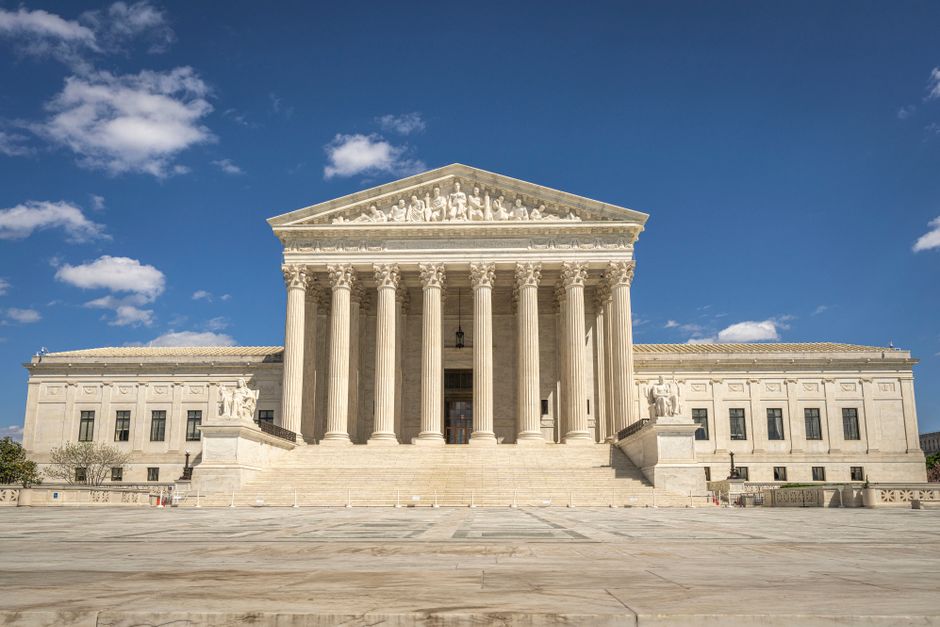
Chief Justice John Roberts signed a temporary order on August 21, 2026, allowing the Trump administration to keep building a White House ballroom while the Supreme Court decides whether to take up the administration's emergency appeal. The order puts on hold a lower-court injunction — a court order that had told the government to stop above-ground work on the roughly $400 million project. (The Guardian, 2026-08-21)
The legal fight has moved fast through the federal courts. On August 7, 2026, a divided three-judge panel of the U.S. Court of Appeals for the D.C. Circuit ruled 2-1 to uphold a lower-court judge's order stopping above-ground construction. (Reuters, 2026-08-15) Six days later, on August 13, the administration filed an emergency application with the Supreme Court, listed as case 26A203, asking the justices to let construction proceed during the ongoing appeal. (AP News, 2026-08-14)
The administration's filing calls the lower-court injunction "extraordinary and unlawful" and argues that halting work would stop progress on a "totally secure ballroom space" at the East Wing. (Supreme Court Docket, 26A203, filed 2026-08-13)
Opposition came quickly. On August 18, the respondents — the parties opposing the administration's request — filed their opposition, arguing that "being temporarily unable to build the ballroom demands emergency relief" is not something the petitioners can demonstrate. (Supreme Court Docket, 26A203, filed 2026-08-18) A historic preservation group separately urged the Supreme Court to suspend the project while it considers whether the construction can continue. (AP News, 2026-08-18)
The project's reach extends beyond the construction site. Public tours of the White House have been paused amid the ballroom construction, according to a FEMA reference included in the Supreme Court appendix. (Supreme Court Docket, 26A203, Appendix)
Roberts's order is a procedural step, not a ruling on the case's merits. Think of it as a judge pressing "pause" on one court's order so the higher court can take a closer look. By granting the temporary stay, the Chief Justice let construction continue while the full Court weighs the administration's emergency application. Such administrative stays from the circuit justice responsible for the D.C. Circuit are not uncommon in high-profile emergency matters; they preserve the current situation while the Court decides whether to grant formal relief. The justices may request a response from the opposing parties, invite further written arguments, or refer the matter to the full Court for consideration.
This procedural posture gives the administration what it wanted right now: continued construction while the case proceeds. But the underlying questions — including whether the project complies with federal preservation and statutory requirements — remain unresolved and will be decided as the appeal moves forward in the lower courts and potentially the Supreme Court.
The broader context here is the tension between executive authority and preservation law. The White House is a designated historic structure, which means any alteration must navigate legal constraints designed to protect it. The lower courts found sufficient grounds to halt above-ground construction; the administration says those rulings overreach. When the Supreme Court eventually acts on the stay application, it will signal whether a majority is inclined to defer to the lower-court assessment or to the executive's stated interest in proceeding.
Several threads remain open. The Court has not indicated a timetable for acting on the formal stay application. The lower-court proceedings will continue in parallel. And the public-access implications of the project — already visible in the suspension of tours — will persist as long as construction is underway. For now, the bulldozers stay.