HP's $520 Snapdragon OmniBook 3 16 Trades Build Quality for RAM and Storage

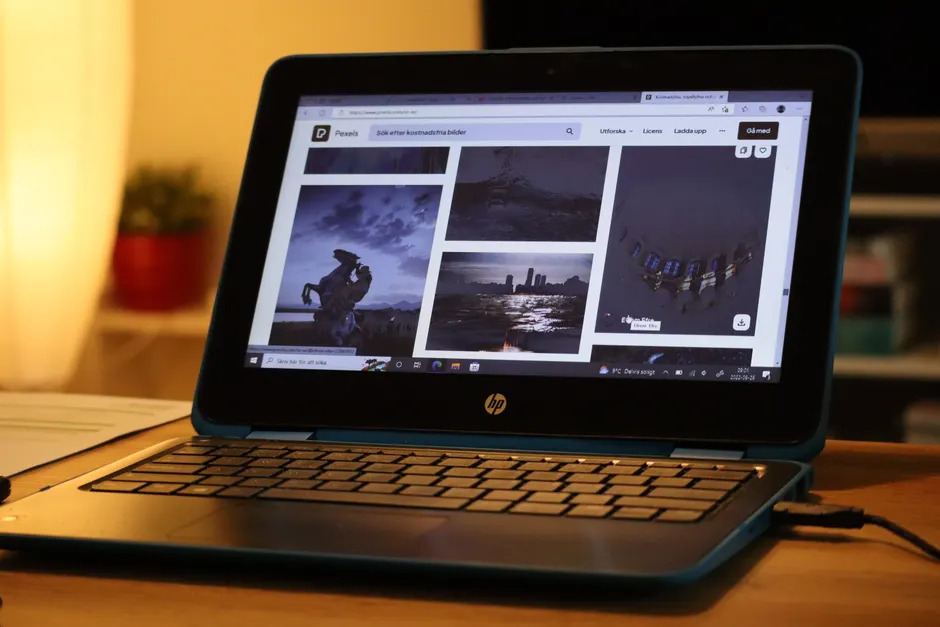
HP's OmniBook 3 16 Snapdragon laptop, a 16-inch Windows machine that typically sells for around $520 at Walmart and Amazon, makes a trade-off that has long defined budget laptops: HP has cut build quality and display quality to the minimum, but shipped 16GB of RAM and a 512GB SSD at a price where 8GB/256GB setups still dominate. The Verge
The reviewed configuration pairs an 8-core Qualcomm Snapdragon X processor with 16GB of RAM, a 512GB SSD, and a 16-inch 1920x1200 anti-glare IPS LCD. The Snapdragon X is Qualcomm's entry-level Arm-based chip for Windows — meaning it uses the same underlying architecture family as smartphone processors rather than the x86 design used by Intel and AMD. Running 16GB of fast LPDDR5x memory alongside it means the OmniBook 3 16 clears the practical usability bar that sub-$600 Intel and AMD laptops frequently miss by shipping with just 8GB. The Verge's review argues directly that 16GB of RAM matters more than build quality, calling 16GB and a 512GB SSD in an okay laptop for around $500 good news in 2026. The Verge
Where HP cut costs is not subtle. The chassis is plastic, with visible flex and audible creaks under pressure. The display maxes out at 300 nits of brightness and covers 62.5 percent of the sRGB color gamut — the standard color range used for most web and office content — which puts it firmly in the "adequate for documents, poor for media" category. The Verge graded the screen D and the speakers D, the webcam C, keyboard C, trackpad C, and port selection B. The keyboard is stiff; the trackpad uses a mechanical diving-board hinge rather than the haptic or glass units found on premium machines. These are the components HP spent the least on, and the grades reflect it. The Verge
The port selection is one of the few areas where the laptop exceeds expectations for the price. HP includes two USB-C ports, one USB-A, HDMI, and an audio jack, with charging handled over USB-C via a compact 65W GaN adapter (a smaller, more efficient power brick than traditional laptop chargers). The laptop measures 0.63 inches (16mm) at its thickest point and is barely heavier than a 14-inch MacBook Pro, which The Verge noted as impressive for a 16-inch budget machine. A 1080p webcam with Windows Hello face unlocking rounds out the I/O. The Verge
Battery life is the OmniBook 3 16's strongest selling point. The Verge praised its longevity, and CNET's review, published July 27, found the laptop can run for nearly a day and a half on a single charge. HP's own marketing materials advertise up to 34 hours for the standard display model and up to 45 hours for the OLED variant, though those figures are manufacturer claims under unspecified conditions. CNET also described the laptop as a fairly portable budget 16-inch, consistent with The Verge's observations about its weight and thinness. CNET The Verge
The OmniBook 3 lineup, announced with chip updates and display changes at CES 2026 in January, spans 14-inch, 16-inch, and 17-inch configurations with a choice of Intel, AMD, or Snapdragon processors. HP also positions the Snapdragon X models within its broader NPU marketing: the company advertises NPU performance up to 85 TOPS across its Snapdragon X-series laptops for on-device AI experiences. An NPU, or neural processing unit, is a dedicated chip designed to handle AI tasks locally on the device rather than in the cloud; TOPS (trillions of operations per second) is the standard metric for measuring that performance. HP offers the 16-inch model in Glacier silver and canvas gray. The Verge
HP's official store lists a slightly different configuration than what The Verge reviewed: a 16-inch OmniBook 3 with a 2K display, Snapdragon X, 16GB of RAM, and a 256GB SSD. The reviewed unit's 512GB SSD and 1920x1200 panel may reflect a specific retail SKU at Walmart and Amazon rather than the HP.com default. HP also sells a 15.6-inch "Next Gen AI" OmniBook 3 variant (15-fn0087nr) with an AMD Ryzen AI 7 processor, 16GB of RAM, a 1TB SSD, and an FHD touchscreen, and a 14-inch OmniBook 3 with a Snapdragon X X1-26-100 processor (8 cores up to 2.97 GHz), 16GB LPDDR5x-8448 MT/s onboard RAM, and a 512GB PCIe SSD. HP HP HP
What this review crystallizes is a shift in the budget laptop value equation that has been building since Arm-on-Windows became viable. For the better part of a decade, sub-$600 laptops compromised on two things simultaneously: memory and build quality. A buyer got 8GB of RAM, a slow eMMC drive (a cheaper, slower type of storage than a full SSD), a 1366x768 TN panel with poor viewing angles, and a plastic chassis that flexed under typing. The OmniBook 3 16 still has the plastic chassis and the flex, and the display is mediocre by any standard. But 16GB of RAM and a 512GB NVMe SSD at $520 is a genuinely different baseline. The Snapdragon X's power efficiency also delivers battery life that budget Intel and AMD machines cannot match, which matters more for a student or office worker who carries the laptop all day than color accuracy or speaker fidelity.
The trade-offs are real. A 62.5 percent sRGB display produces visibly washed-out media, not just a limitation for photo editing. Three hundred nits is usable indoors and punishing outdoors or under bright office lighting. The stiff keyboard and mechanical trackpad will frustrate anyone coming from a premium machine. And the plastic creaks are a daily tactile reminder of where the money went and where it did not.
The broader context here is that Arm silicon on Windows has finally reached the price tier where volume actually lives. Qualcomm's Snapdragon X is not competing with Apple Silicon at the top of the market; it is competing with Intel N-series and AMD Athlon processors at the bottom, and it is winning on two metrics that budget buyers feel immediately: battery life and memory headroom. If 16GB becomes the floor for $500 laptops rather than the ceiling, that changes what a budget Windows machine can do over a three- or four-year service life. The OmniBook 3 16 is not a good laptop in any holistic sense, and The Verge's component grades reflect that. But it is a capable one, and at $520, capability at that price is the story.