US Military Resumes Boat Strikes in the Eastern Pacific, Raising Questions About Lethal Force in the Drug War
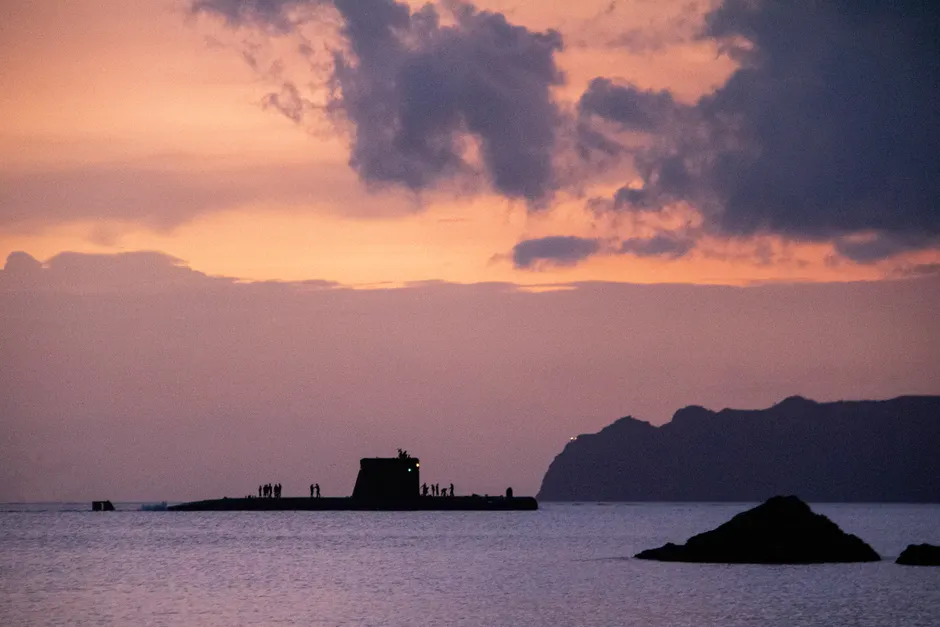
The US military struck a suspected drug-trafficking boat in the eastern Pacific Ocean on August 23, 2026, killing two people. US Southern Command (SOUTHCOM), led by Gen Francis Donovan, announced the action the following day, describing the targeted vessel as a low-profile craft traveling along known drug-smuggling routes The Guardian. The strike was the first carried out by SOUTHCOM since back-to-back earthquakes struck Venezuela on June 24, 2026.
According to data compiled from the command's social media posts, two males were killed and one person survived; the US Coast Guard was notified Reuters. As with most of its statements, SOUTHCOM did not provide evidence that the struck vessel was carrying drugs The Guardian. The broader campaign of bombing suspected drug boats has killed 223 people across 67 strikes since early September 2025.
The August 2026 strike resumes a pattern documented in Operation Southern Spear's quarterly reports to Congress. The report covering January through March 2026 recorded at least 45 small boats struck from September 2025 through March 2026, resulting in 156 individuals killed or presumed dead Department of Defense. A subsequent quarterly report covering April through June 2026 documented at least 19 additional vessels struck, 16 of which took place in the eastern Pacific Ocean Department of Defense.
SOUTHCOM has stated that the campaign has destroyed 64 speedboats, three low-profile ships, and a semisubmersible craft — a vessel designed to ride mostly below the water's surface to avoid detection. Search and rescue outcomes remain a point of operational and humanitarian concern. SOUTHCOM has reported more than 20 search and rescue efforts across the campaign, almost all of which were unsuccessful. Data compiled from the command's social media posts indicates the strikes generated 28 survivors, with only three people ever being rescued The Guardian. The first US boat strike in September 2025 left two survivors who were subsequently killed in a second follow-up strike.
The Pentagon's watchdog — its inspector general, an internal office that audits military conduct — announced in May 2026 that it plans to examine whether the US military followed an established targeting framework when carrying out the boat strikes The Guardian. This review has not yet concluded.
The naval campaign operates alongside traditional interdiction efforts (the boarding and seizure of suspect vessels) that continue to yield significant drug confiscations. As of August 2026, US Coast Guard Operation Pacific Viper has surpassed 225,000 pounds of cocaine seized in the Eastern Pacific US Southern Command. The USS Sampson seized 1,296 pounds of cocaine from a suspected drug smuggling vessel in international waters on August 11, 2026 US Southern Command.
The resumption of lethal strikes occurs alongside a broader push by the Pentagon to expand joint military operations against criminal groups in Latin America. Defense Secretary Pete Hegseth said during a visit to Panama that Colombia, Guatemala, and Honduras had agreed to allow the US to carry out joint military operations on their soil. Guatemala denied reaching such a deal The Guardian. Ecuador launched joint anti-crime military missions with the US in March 2026.
The broader context here is a significant escalation in how the United States pursues maritime drug interdiction. Historically, the Coast Guard and Navy have relied on vessel boardings and seizures in international waters, confiscating narcotics and arresting crew members for prosecution. The shift to kinetic strikes — meaning the use of weapons to destroy targets rather than boarding them — has now been underway for nearly a year and has fundamentally altered the operational calculus, raising questions about the evidentiary threshold for lethal force and the proportionality of the response. With the Pentagon's inspector general actively reviewing whether the targeting framework was followed, and with the casualty count now exceeding 200, this campaign sits at the intersection of counter-narcotics policy and the laws of armed conflict. The discrepancy between Hegseth's claims regarding bilateral agreements and Guatemala's denial also signals the diplomatic friction that accompanies military expansion, suggesting that operational momentum may be outpacing consensus in the region.


