Mimmo Rotella's 1960s Décollages Get Their First US Showcase at Independent 20th Century in the Breuer Building

This September, the Italian artist Mimmo Rotella gets his first United States showcase focused on his 1960s work, as the gallery Voena presents a solo exhibition at the Independent 20th Century art fair in New York Artnet.
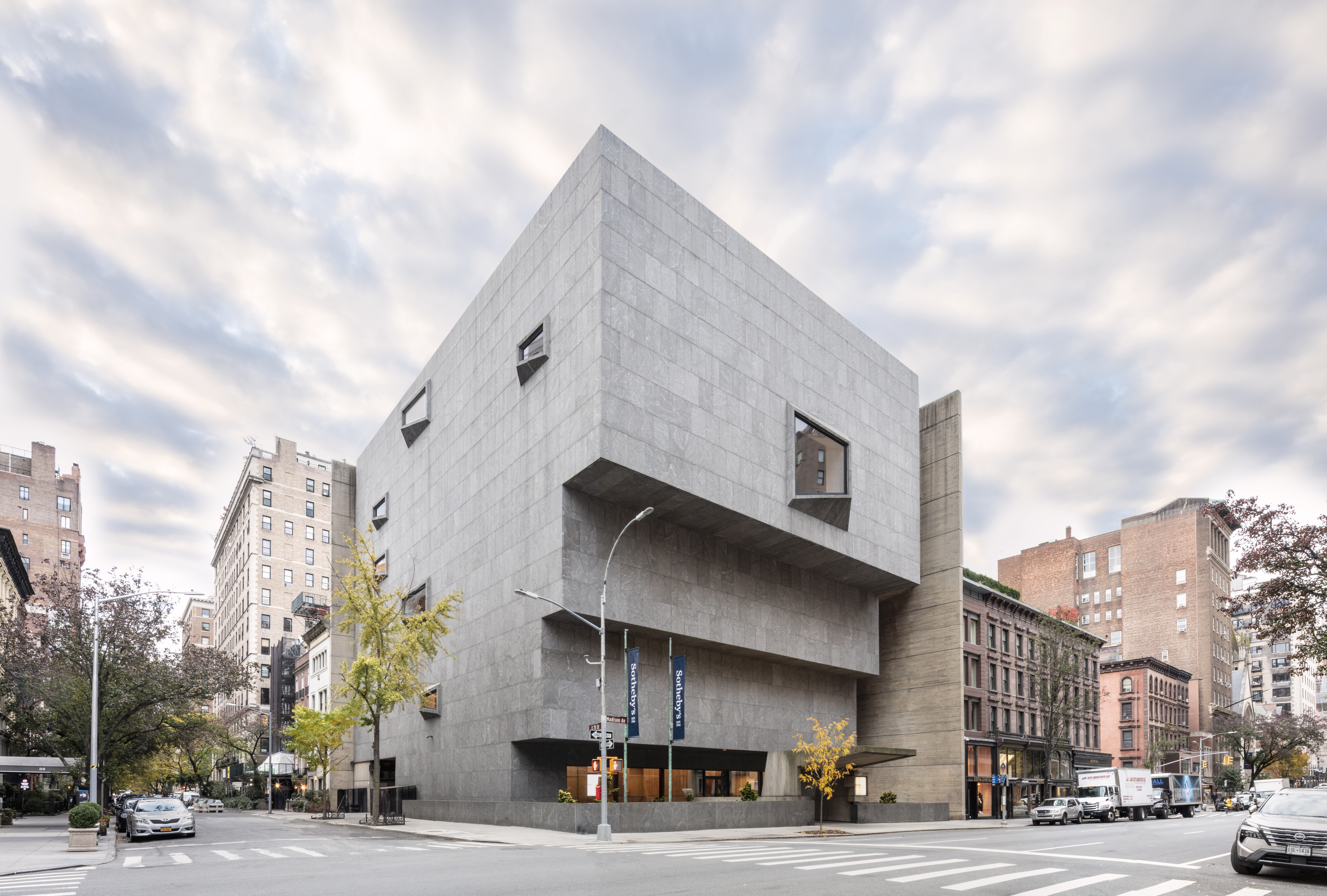
The fair runs 24–27 September 2026 at Sotheby's New York, the Breuer, 945 Madison Avenue. It is the fifth edition of Independent 20th Century and the first to be held in the Breuer building, a Brutalist landmark on Manhattan's Upper East Side constructed between 1964 and 1966 Artnet. The 2026 edition features 57 nominated exhibitors presenting works by more than 130 artists, according to the fair's announcement on 10 June 2026 Independent 20th Century.
Voena, which operates galleries in London and Milan, is staging the Rotella presentation as a focused look at a decade when the artist's practice shifted through several phases Independent 20th Century.
Rotella, who lived from 1918 to 2006, is best known for inventing the décollage technique — a process of tearing layered advertising posters off city walls and presenting the fragmented results as art. According to the fair's own feature on the artist, the method began after a trip to the United States in 1953; walking through Rome, Rotella started collecting torn posters from the streets Independent 20th Century. Artnet, the most recent source on the presentation, dates the inspiration to that same walk through Rome in 1953 Artnet.
That breakthrough led to an invitation from the critic Pierre Restany to become a founding member of Nouveau Réalisme, a movement that gathered artists using everyday urban material as their medium. Rotella's work reached American audiences early: he was included in the "New Realists" exhibition at Sidney Janis Gallery in New York in 1962 Artnet.
The Voena presentation traces the 1960s arc through specific works. Two pieces on view, "A Mezza Luna" (1960) and "Arachidina" (1963), draw on elements of advertisement and film posters. The presentation also includes an untitled work from around 1960, measuring 27¾ × 25 inches, according to Voena's listing on the fair's website Independent 20th Century. The showcase concludes with Rotella's Artypo works from the late 1960s, in which he appropriated industrial billboard-printing processes rather than tearing posters by hand Artnet.
During that same late-1960s period, Rotella met Andy Warhol and spent time in New York, immersed in the city's contemporary art scene — a connection that places his experimentation alongside the rise of American Pop Art Artnet.
Rotella's profile in Europe is also getting attention this summer. An exhibition titled "Mimmo Rotella & Friends" ran 23 June to 12 July 2026 at NEO art & culture lab x VogelART in Nice, France, as a tribute to the artist as "master of décollage" Almine Rech.
For a general audience, the appeal is straightforward: Rotella took the flotsam of city life — movie advertisements, consumer products, political slogans stuck to walls — and turned the act of tearing them into a form of art that still carries the texture and colour of the street.