The Woman Behind the Guggenheim Takes Centre Stage in New York

The woman who helped build New York's Guggenheim Museum is stepping back in front of the canvas.
San Francisco-based Weinstein Gallery is bringing paintings and collages by Hilla Rebay to Independent 20th Century in New York, according to Artnet. The presentation puts Rebay's own work in conversation with pieces by László Moholy-Nagy, Alice Trumbull Mason, Paul Klee and Rudolf Bauer.
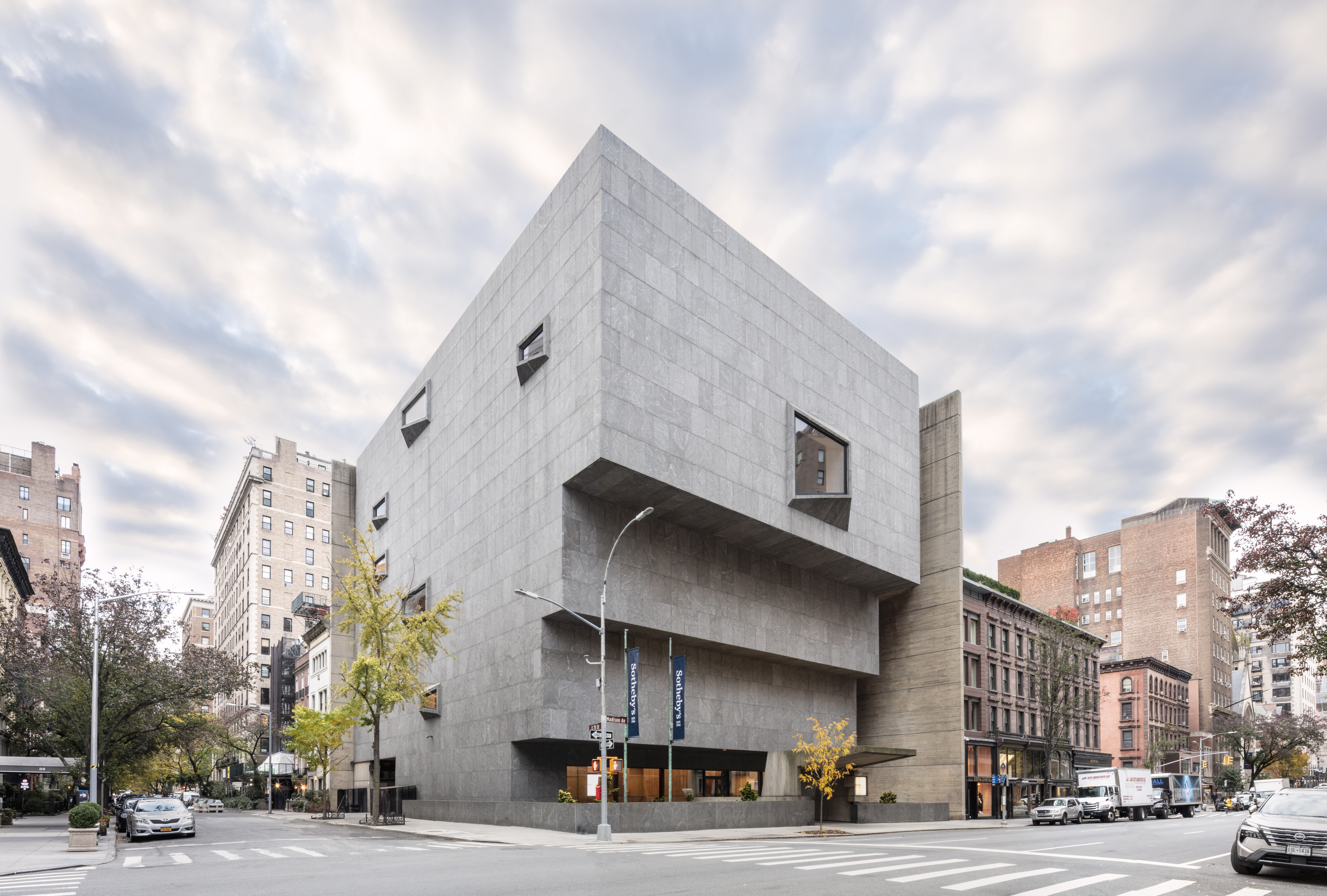
The showcase runs 24 to 27 September 2026 at Sotheby's at The Breuer in New York, at 945 Madison Avenue. Titled Hilla Rebay & The Museum of Non-objective Painting, it is part of the fifth edition of the fair, a selling event focused on twentieth-century art, according to Independent.
Rebay lived from 1890 to 1967. Born in Strassburg, Germany, and described as a German baroness, she was co-founder and inaugural director of the Guggenheim Museum in New York and the primary adviser to Solomon R. Guggenheim as he amassed his collection.
She was an artist herself. Rebay championed non-objective painting, a form of abstraction built from colour, shape, line and rhythm rather than recognisable objects. She also advocated for the art and spiritual ideas of Wassily Kandinsky, according to the fair's talks programme.
Her early career moved quickly. She exhibited at the Cologne Kunstverein in Cologne in 1912 and at the Salon des Indépendants in Paris in 1913. With Bauer and Otto Nebel she later formed the Die Krater art group, which first proposed a museum devoted to non-objective art.
The New York display widens the lens beyond Rebay alone. Alongside the names reported by Artnet, the gallery's viewing room lists works by Rolph Scarlett, Dwinell Grant, Ilya Bolotowsky, Penrod Centurion and Irene Rice Pereira, according to Weinstein Gallery. The group totals more than fifty paintings, sculptures and works on paper by twelve early supporters of abstraction.
One example shows her working method up close. Untitled (c. 1935) is listed as a colour collage on paper measuring 18 x 24 inches. The gallery is led by managing director and curator Kendy Genovese, and the gallery says the exhibition proposes a new interpretation of Rebay's legacy.
What makes this stand out for visitors is the double role. Most people know Rebay, if at all, as the director behind the collection. Here the paperwork points the other way, to the studio.