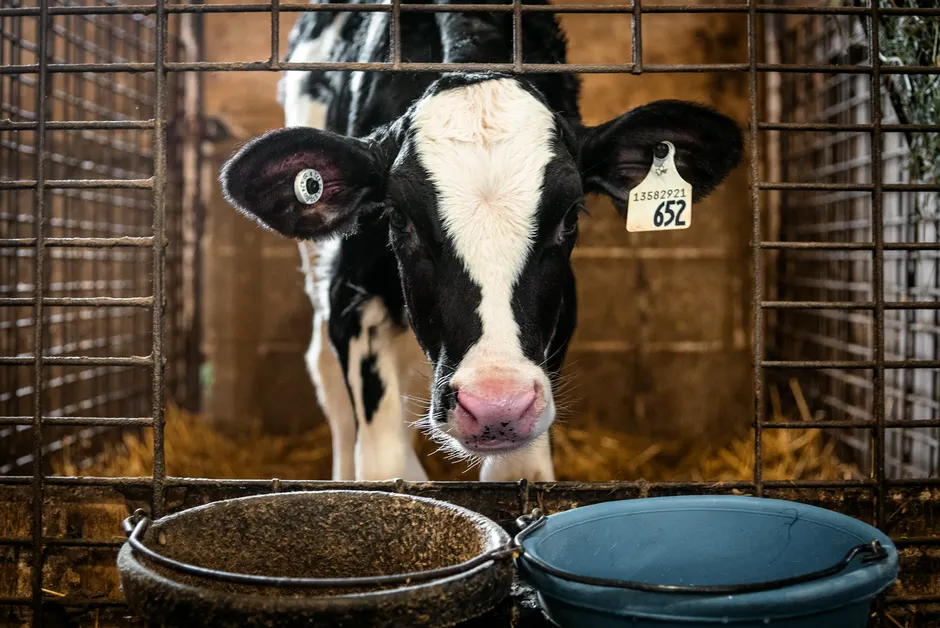
Trump's 90-Day Beef Tariff Waiver Splits His Own Party
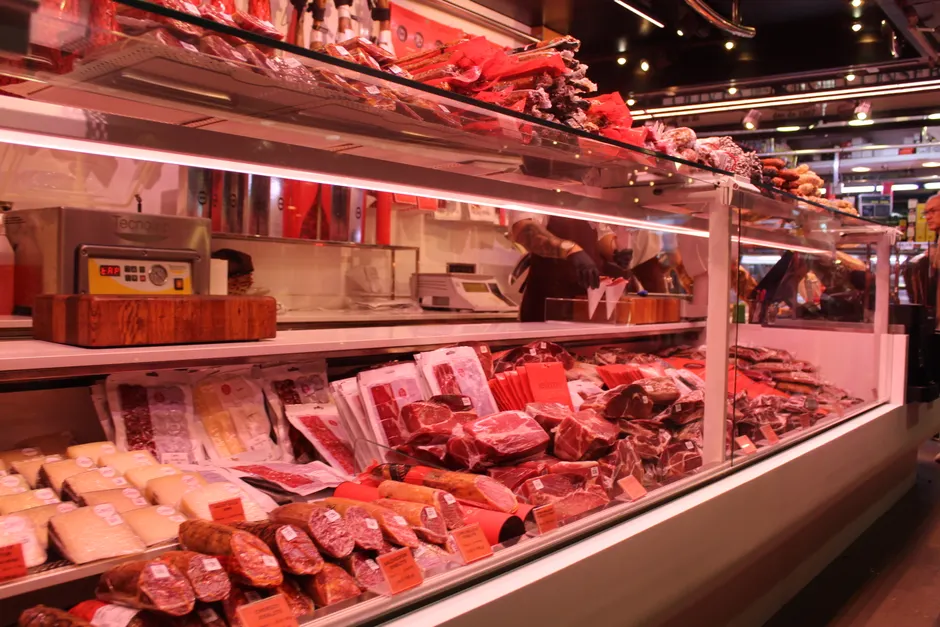
President Donald Trump has instituted a 90-day waiver on U.S. tariffs covering up to 300,000 metric tons of imported ground beef, aimed at driving down grocery prices as midterm elections approach. The move, announced on August 21, 2026, has fractured the president's own party, drawing sharp criticism from Republican senators and representatives in major cattle-producing states (ABC News).
The United States cattle inventory is at a 75-year low, which means there are fewer cows being raised for beef than at any point since the early 1950s. That scarcity constrains domestic supply and has pushed retail beef prices to politically untenable levels. Trump claimed his administration secured a commitment that imported beef under the waiver would be sold at 25% below current market prices (The Guardian). Reuters reported on August 21 that the executive order would be signed within the following two weeks (Reuters).
The policy temporarily lifts what are called tariff-rate quotas on ground beef imports. A tariff-rate quota is a system that applies a lower tariff (a tax on imported goods) up to a certain volume, then a higher tariff beyond that. By lifting that cap, the waiver allows up to 300,000 additional metric tons of ground beef to enter the U.S. market at the lower tariff rate over a 90-day window. The administration had signaled a similar move in May 2026, when the White House indicated Trump would sign orders to boost beef imports and support cattle herd rebuilding (Reuters, May 11).
Agriculture Secretary Brooke Rollins defended the import surge as a short-term measure to get lower-cost beef onto American plates. When asked where the beef would be sourced from, Rollins said she did not know, directing the question to U.S. Trade Representative Jamieson Greer's office (The Guardian).
The backlash from Republican elected officials in cattle-producing states was swift. Senator John Barrasso of Wyoming, the majority whip (the No. 2 Senate Republican responsible for vote-counting), said Americans want U.S. beef and that ranchers want a fair marketplace. Senator Pete Ricketts of Nebraska warned that short-term policy shifts do not equal long-term solutions, and that flooding the market with what he characterized as lower-quality beef compromises Nebraska farmers and ranchers (The Guardian).
Senator Tim Sheehy of Montana said he had advised Trump against the action for a year, arguing it would make it more difficult for American ranchers to rebuild their herds. Congresswoman Ashley Hinson, the GOP nominee in a competitive U.S. Senate race in Iowa, also criticized the policy, saying it was not the right approach to bringing prices down (The Guardian; CBS2 Iowa).
The rancher backlash was reported in local Iowa coverage on August 23 and echoed in other outlets covering agricultural communities (CBS2 Iowa).
The conflict pits two of Trump's political priorities against each other: delivering tangible relief on grocery prices ahead of November's midterms, and protecting the domestic agricultural constituency that forms a core part of the Republican coalition. Cattle-country Republicans have framed the tariff waiver as a betrayal of that constituency, arguing that below-market-priced imports undercut domestic ranchers precisely when herd rebuilding requires higher, not lower, price signals to incentivize retention of breeding stock.
The broader context here is that Rollins's inability to identify the source countries for the imported beef reveals a gap between the political promise of a 25% price reduction and the logistical reality of executing a 300,000-metric-ton import surge within 90 days. The sourcing question falls to USTR Jamieson Greer, whose office would need to identify supplier countries with sufficient surplus ground beef capacity willing to meet the pricing commitment Trump described. Major ground beef exporters include Brazil, Australia, and other nations already operating within existing U.S. tariff-rate quota frameworks.
The deeper structural issue is the 75-year cattle inventory low, which no 90-day waiver can address. Drought, input costs (the expenses ranchers pay for feed, fuel, and other necessities), and years of herd liquidation have driven the domestic breeding herd to levels not seen since the mid-20th century. Ranchers like Sheehy argue that import surges depress the very prices needed to make herd expansion economically viable. Think of it as a feedback loop: low inventory drives high prices, high prices trigger import waivers, import waivers suppress domestic prices, and suppressed domestic prices discourage ranchers from rebuilding their herds — which keeps inventory low.
The administration's May 2026 signaling on cattle herd rebuilding orders suggests awareness of this structural problem. The August tariff waiver, by contrast, is explicitly framed as a short-term consumer-price intervention. Whether the two tracks can coexist without one undermining the other is the central tension Republican critics have seized upon.
For the midterm landscape, the fracture is notable in Iowa, where Hinson's Senate race is competitive, and in Montana, where Sheehy's opposition carries weight in a state where cattle is a defining industry. Barrasso's criticism, coming from the majority whip's office, signals that the discontent has reached the Senate leadership level rather than remaining confined to backbench grievances.