SpaceX to Build $100 Billion Starship Launch Complex on Louisiana Gulf Coast
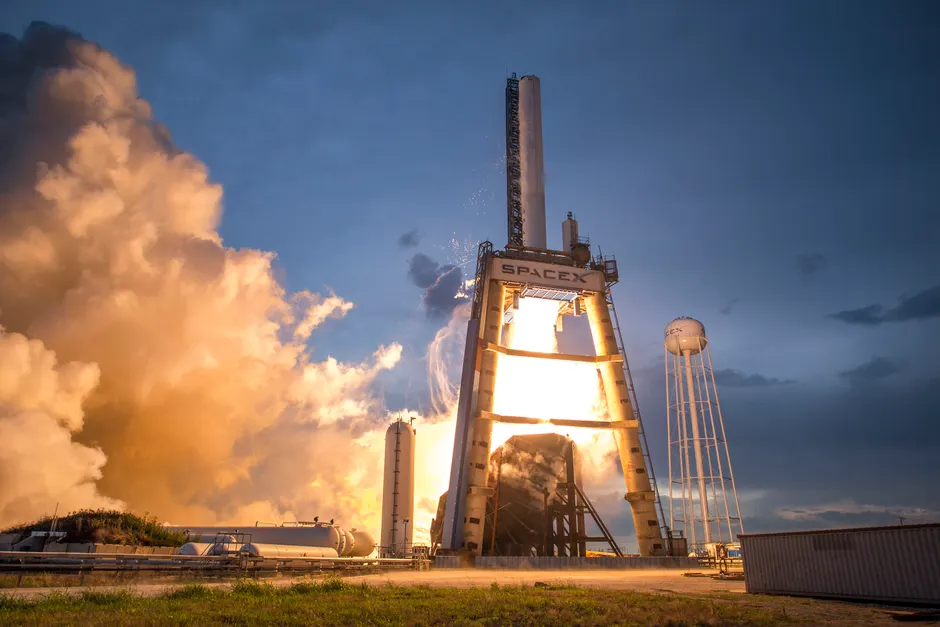
SpaceX confirmed on August 25, 2026, that it will build a $100 billion Starship launch complex on the southern coast of Louisiana in Vermilion Parish, near an area called Pecan Island. Gov. Jeff Landry and SpaceX officials announced the project following months of rumors. The company's official site describes the facility as its newest Starship launch site — a self-sustaining spaceport designed for high-cadence launch operations.
The Louisiana Starbase will cover 125,000 acres, or roughly 195 square miles, on the Gulf Coast. SpaceX will build five launch complexes, each with two launch pads, according to Engadget. The site will also include a propellant production facility, power generation infrastructure, vehicle processing facilities, and residential housing for employees and their families. SpaceX's website states the facility will support thousands of Starship flights per year and function as a self-sustaining spaceport.
The previous owner of the Pecan Island site, ExxonMobil, returned the land to the state as part of a settlement over lawsuits accusing the company of coastal land loss, Engadget reports. As part of its deal with Louisiana, SpaceX pledged to work with the state to restore the area through marshland preservation, wildlife preservation, and storm protection measures.
Two geographic and operational factors anchor the Louisiana choice. The coastal location permits southward launches toward polar orbit — the path that takes satellites over Earth's poles rather than the equator — enabling SpaceX to place what it calls "Starmind" data center satellites into ideal orbital positions. The state also offers close proximity to natural gas reserves, which SpaceX needs to produce the methane-based fuel used by Starship's Raptor engines.
Construction is expected to begin in 2027, with the first launch slated for 2029. The timeline gives SpaceX roughly three years to grade the site, build out launch infrastructure, establish propellant production, and stand up the residential and power-generation facilities required for a self-sustaining operation.
Elon Musk, posting on X on August 25, stated that Starbase Louisiana will ultimately have over a dozen launch towers, enabling more than 30 Starship flights per day. That figure far exceeds the current operational tempo at SpaceX's existing Boca Chica Starbase site in Texas, where the company has been conducting test and developmental launches of Starship.
The scale of the Louisiana complex makes it SpaceX's largest rocket launch facility to date, surpassing both Boca Chica and the company's leased pads at Kennedy Space Center. The 195-square-mile footprint is roughly 16 times the size of the Boca Chica site, and the planned mix of launch infrastructure, propellant production, power generation, and residential housing signals an approach that treats the facility as a permanent industrial settlement rather than a launch range with supporting infrastructure.
The project also ties into SpaceX's broader ambitions for orbital data center infrastructure. The mention of "Starmind" data center satellites in connection with polar-orbit placement from the Louisiana site points to plans for a satellite constellation that would require sustained high-cadence launch operations, which aligns with the facility's stated design goal of thousands of Starship flights per year.
The environmental dimensions of the project deserve attention. The Pecan Island site is former ExxonMobil land returned to Louisiana under litigation tied to coastal land loss. SpaceX's commitment to marshland preservation, wildlife preservation, and storm protection is part of the deal terms rather than a voluntary undertaking, which means compliance and measurable restoration will likely be subject to state oversight. The Louisiana coast has been a focal point of coastal erosion litigation for over a decade, and placing a heavy industrial facility on a site whose previous owner was sued for contributing to land loss creates a scrutiny dynamic that will follow the project through its build-out.
The residential housing component is notable for what it signals about SpaceX's operational model. Housing employees and their families on-site reduces commute logistics for a facility in a rural parish, but it also means SpaceX will function as a town builder in addition to a launch operator, managing infrastructure and services that extend well beyond aerospace engineering.
The announcement event was framed by local media as the "worst-kept secret in Louisiana," with KATC reporting that rumors of the Vermilion Parish project had circulated for months before the official confirmation.
The broader context here is one of pace and precedent. The timeline, scale, and integrated nature of Starbase Louisiana place it in a category that has no direct precedent in commercial spaceflight. If construction begins as planned in 2027 and first launch follows in 2029, SpaceX will have roughly two years from site groundbreaking to orbital operations, a pace that would require aggressive parallel construction tracks across launch infrastructure, propellant production, and residential facilities simultaneously.


