Iran and Oman Propose Temporary Shipping Lane and Demining Operation in the Strait of Hormuz
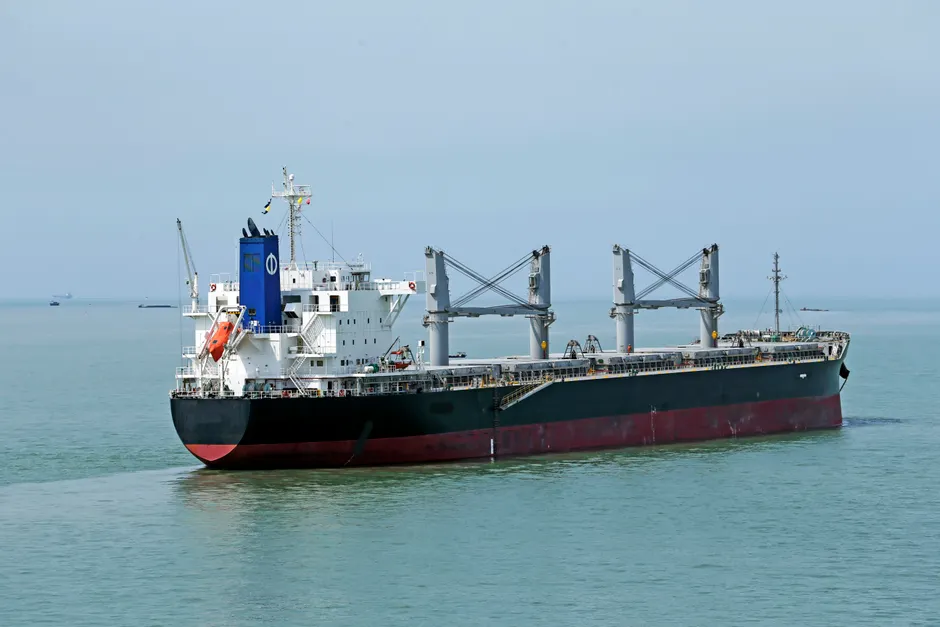
Iran and Oman have outlined a joint proposal to set up a temporary shipping lane and launch a demining operation in the Strait of Hormuz, according to CNN. The framework, discussed between the two governments, pairs a temporary transit corridor with a joint mine-clearance project in the narrow waterway that handles roughly a fifth of global seaborne oil shipments.
Oman's foreign minister said he hopes the two countries will "soon announce" a joint temporary transit corridor through the strait, Al Jazeera reported. The discussions frame the temporary corridor as a stepping stone toward a permanent arrangement for administering the Strait, CNN noted. The Times of Israel confirmed that the two sides discussed a framework combining the shipping-lane proposal with a demining initiative.
The proposal builds on earlier diplomatic groundwork. On August 8, Iran signaled that a deal with Oman on Strait of Hormuz control was close but cautioned it would not, by itself, be sufficient to reopen the waterway, Reuters reported. A proposed Iran-Oman accord, intended to help end five months of war, would grant Tehran authority over ships entering the Gulf through the strait, according to Reuters. Shipping traffic through Hormuz had already been capped amid competing claims from the United States and Iran as of August 13, Reuters reported.
The demining component signals that the obstacles in the strait extend beyond political coordination. Naval mines are explosive devices placed in the water to damage or sink ships; they represent a direct physical barrier to commercial navigation, and clearing them is a prerequisite for restoring normal transit volumes. Pairing the shipping-lane proposal with a demining effort suggests that Iran and Oman are addressing both the jurisdictional and the physical dimensions of the disruption in a single framework.
The temporary-to-permanent sequencing carries strategic weight for Gulf coastal states and global energy markets. A temporary corridor could provide near-term relief for capped shipping traffic while the parties negotiate the more politically sensitive question of long-term administration. The Strait of Hormuz has historically functioned under a de facto framework in which commercial traffic transits under the naval protection of external powers, primarily the United States. An Iran-Oman joint administration arrangement would reconfigure that architecture, potentially replacing third-party naval guarantees with bilateral management by two states bordering the chokepoint.
The broader context here is a five-month war that has disrupted one of the world's most important maritime corridors, with shipping traffic already capped and great-power claims competing over freedom of navigation. Iran's August 8 caveat that an agreement "will not open the waterway by itself" points to remaining constraints beyond the bilateral channel: the war's continuation, the competing US and Iranian claims over navigation rights, and the unresolved question of how a new corridor would interface with existing international shipping insurance and maritime law frameworks. The proposed grant of Iranian authority over ships entering the Gulf would give the administering authority leverage over energy supply chains that extend well beyond the Gulf. The fact that Oman, a GCC member and longtime mediator between Tehran and Western capitals, is co-sponsoring the framework gives the proposal diplomatic credibility that a unilateral Iranian declaration would lack.
Whether the Iran-Oman proposal moves from discussion to announcement, and whether a temporary corridor can function before a permanent administration is settled, will depend on factors the two parties have not yet publicly addressed, including third-party reactions, insurance-market acceptance, and the operational timeline for demining. Oman's foreign minister framed an announcement as imminent. The gap between announcement and implementation, as Iran itself has acknowledged, remains the open variable.


