Japan's Parliament Moves Forward on Imperial Family Succession: What Changed and What Didn't
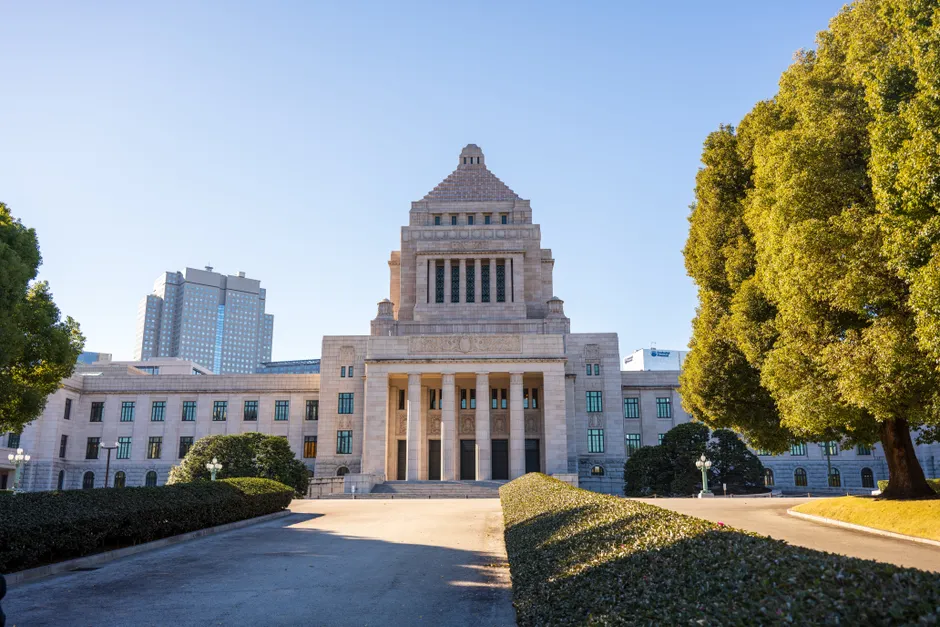
Japan's parliament adopted a draft proposal on June 10, 2026 that would make two major changes to how the Imperial Family works. First, women in the family could stay as members even after marrying someone outside the imperial line. Second, the family could adopt male descendants from 11 former imperial branch families that lost their status after World War II. This is the biggest shift in succession rules in decades.
Why This Matters Now
The Imperial Family faces a practical problem: it's running out of male heirs. Emperor Naruhito has no sons. His younger brother, Prince Akishino, has a son named Prince Hisahito, who is currently the only male heir in the next generation. Under Japan's postwar Imperial House Law from 1947, only males born through an unbroken male line can inherit the throne — a rule that has stayed almost exactly the same for nearly 80 years.
The law goes further than just succession. Article 9 of the Imperial House Law forbids the Emperor and imperial members from adopting anyone at all, and it limits who they can marry. The draft proposal punches a hole in that ban. It would allow the family to adopt men who descend through the male line from those 11 former branch families. These families were stripped of their imperial status during the American occupation after the war, and reopening this pathway would let the family draw from a pool of potential heirs it has been blocked from for nearly 80 years.
The second change tackles a different pressure. When women in the Imperial Family marry someone who is not imperial, they lose their status. This has shrunk the family's working members year by year. If women could stay in the family after marriage, they couldn't pass the throne through their children — but they could help the family carry out the hundreds of official ceremonies and public duties it performs each year.
What the Proposal Actually Does — and Doesn't
Here is what matters to pin down: the draft does not open the door to female succession. Some Japanese citizens and advisory groups have called for that reform, but this proposal does not include it. A woman in the Imperial Family still could not pass the throne to her children. The men adopted from those former branch families would have to prove an unbroken male line back to imperial ancestors — a requirement that will sharply limit who actually qualifies.
The 11 families in question were among 51 collateral imperial houses shut down in October 1947 under occupation-era reforms. Their descendants have lived as ordinary citizens for nearly 80 years. If the law changes, bringing someone from those families into the imperial fold would not be a simple legal transaction. It would mean getting that person's agreement and asking them to leave behind their civilian life. The proposal does not yet address how that human process would actually work.
What Happens Next
A draft adopted by parliament is not yet law. It is a statement of intent that still needs to become formal amendments to the Imperial House Law. That requires more debate, committee review, and a final vote. The path forward is politically complicated. The ruling coalition has handled the imperial institution carefully, aware that different factions within government and society have different views. Opposition parties and activist groups disagree on whether this proposal does too much or not enough.
The way people frame this matters. The Asahi Shimbun has described the adoption mechanism as restoring a practical option rather than overturning any principle. But that framing will not survive unchallenged. Those who want stronger reform — including the option of female succession — will say the proposal locks in an all-male inheritance system at the exact moment Japan could have rethought it. Those who support keeping the male-line rule will watch the adoption pathway carefully for any precedent it might establish.
From an institutional standpoint, the real shift here is this: parliament has moved from commissioning reports and hesitating to putting concrete language on the table. Whether that language becomes law, and how fast, is what the next parliamentary session will decide.


