Tanzania's Vice-President Resigns Amid Party Expulsion and Constitutional Tensions

Tanzania's Vice-President Emmanuel Nchimbi will leave office on September 4, 2026, after resigning less than ten months into his term and being expelled from the ruling Chama Cha Mapinduzi (CCM) party for indiscipline. Energy Minister Deogratius Ndejembi, 43, has been nominated to replace him, with his name to be presented to parliament for approval. Reuters
Nchimbi, 54, shared his resignation letter on Instagram on a Tuesday morning, stating he would retire from public life because he had "become convinced, without doubt, that the president wants changes." His departure makes him the first vice-president to step down in Tanzania's history. He had served in the role since November 2025, when he and President Samia Suluhu Hassan were sworn in after winning 98% of the vote in a disputed presidential election. BBC
The resignation came weeks after reports surfaced that Nchimbi had fallen out with President Samia. BBC The rupture traces back to controversial public remarks by Nchimbi, including urging Tanzanians to "fight for a new constitution." The CCM's decisions to expel him and nominate Ndejembi were taken at an extraordinary party meeting chaired by President Samia herself, pointing to the centralized nature of the move. BBC
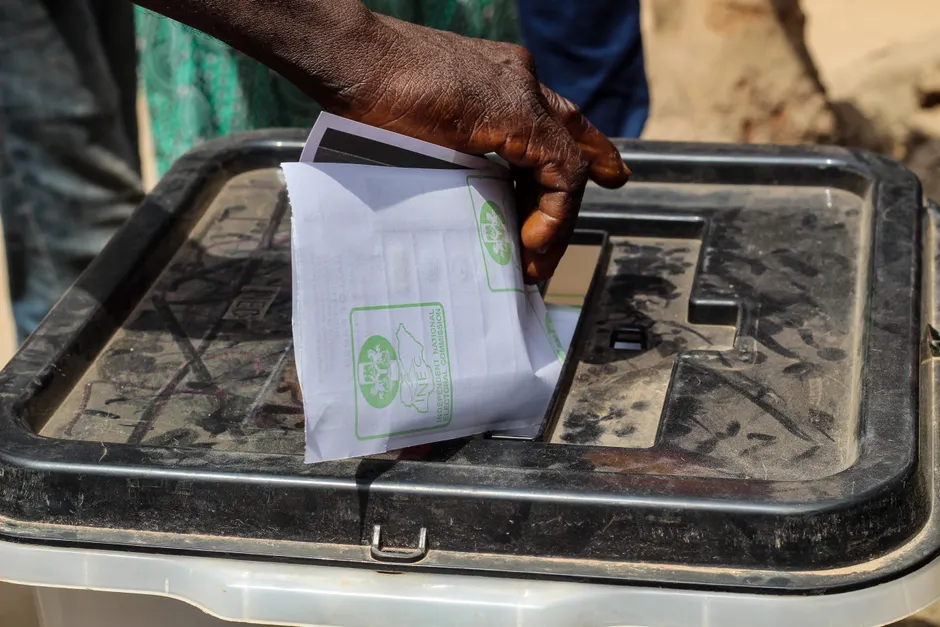
Nchimbi was Samia's running mate in last October's presidential election, a vote boycotted by the main opposition party Chadema, which had demanded electoral reforms as a precondition for participating. The election and its aftermath were turbulent. Violent protests following the vote led to the deaths of at least 500 people, according to an official enquiry. Opposition parties and human rights groups accused the security forces of unleashing a brutal crackdown on anti-government protesters. BBC
Ndejembi's nomination introduces a generational shift at the vice-presidential level. At 43, he is more than a decade younger than Nchimbi and currently serves as Energy Minister, a portfolio with strategic weight in a country pursuing significant gas and hydropower development. His confirmation by parliament, where CCM holds a dominant majority, is expected to proceed without difficulty. BBC
The broader context here involves the intersecting pressures of party discipline, constitutional politics, and post-election legitimacy that Samia's government must now navigate. Nchimbi's call for a new constitution touched a nerve in a political system where the last major constitutional reform process, launched over a decade ago, stalled without resolution. The CCM has historically treated constitutional revision as a controlled, party-led exercise; a senior figure publicly urging citizens to "fight" for one ventures well outside the party's preferred framework for managing reform debates.
The timing is also delicate. Nchimbi's departure comes roughly ten months into a term that began under a cloud of controversy, with the opposition boycott and the post-election violence still fresh in public memory. For Samia, replacing her vice-president this early in the term signals an assertion of authority over the party apparatus and the executive lineup. Whether Ndejembi's appointment stabilizes the administration or simply papers over deeper factional tensions within CCM is a question that Tanzania's political class will be watching closely in the months ahead.
Nchimbi's resignation takes effect at the end of next week, formally closing a brief and turbulent tenure.