El Geneina and the Pattern of Ethnic Cleansing in Sudan's War
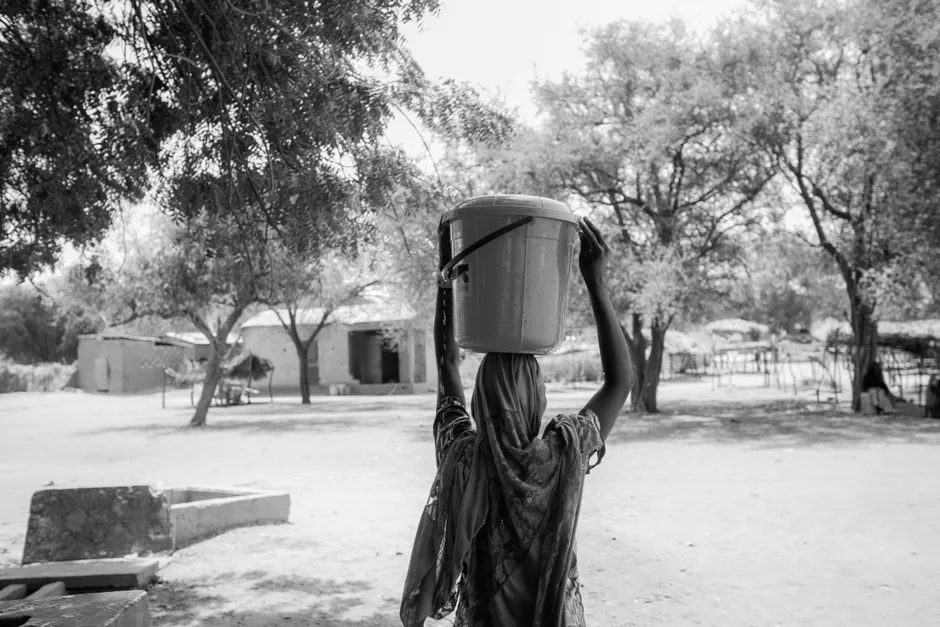
El Geneina, capital of Sudan's West Darfur state, has become one of the most documented sites of mass atrocity in the current civil war—and one of the hardest for aid organizations to reach.
The Violence and Its Targets
The Rapid Support Forces (RSF), a paramilitary group, and allied Arab militias killed at least thousands in El Geneina, according to Human Rights Watch reporting from May 2024. Hundreds more died in May 2023 alone when militia attacks destroyed hospitals, markets, and homes across the city, Reuters reported at the time. Residents told Reuters the attackers wanted them to leave—language consistent with ethnic cleansing, which human rights investigators would later formally document.
The primary target has been the Masalit, a non-Arab ethnic group native to West Darfur. Reuters reporting from November 2023 documented local residents accusing the RSF and allied militias of deliberately targeting and killing thousands of Masalit civilians. Witnesses identified a Sudanese commander named Juma as directing the attacks—an allegation significant for potential future cases before the International Criminal Court, which already has jurisdiction over Darfur.
By June 2023, UNICEF identified El Geneina as the center of the heaviest fighting in Darfur. Civilians trying to flee on foot were being killed or shot at as they left, according to Reuters correspondents on the ground. The escape routes themselves had become dangerous zones.
The Health System Collapses
El Geneina Teaching Hospital—the only facility providing specialized care in the area, serving residents and the displaced (mostly women and children)—has been backed by Médecins Sans Frontières since 2021. It was looted during the recent violence, according to ReliefWeb documentation. A July 2024 account confirmed the hospital remains the main referral point for the region—meaning its damaged capacity directly translates into preventable deaths among the most vulnerable patients.
The looting of an internationally supported hospital is not accidental collateral damage. It removes the last functioning medical safety net between a traumatized civilian population and complete healthcare collapse.
A National Crisis
El Geneina's emergency is extreme even within Sudan's broader emergency. As of 2024, the entire country was classified in IPC Phase 3 (Crisis) or Phase 4 (Emergency)—meaning food shortage or food emergency everywhere, according to Social Science in Action. In July 2024, the IPC formally declared famine—IPC Phase 5—in the Zamzam displacement camp, the first such declaration for Sudan in this conflict.
The malnutrition crisis downstream of the food collapse is severe. The World Food Programme projects that 825,000 children under five will suffer Severe Acute Malnutrition (SAM) in 2026. Without treatment, SAM has a death rate exceeding 20 percent. Approximately 12 million people have been forcibly displaced by the civil war—a figure that overwhelms neighboring countries and makes standard humanitarian logistics very difficult.
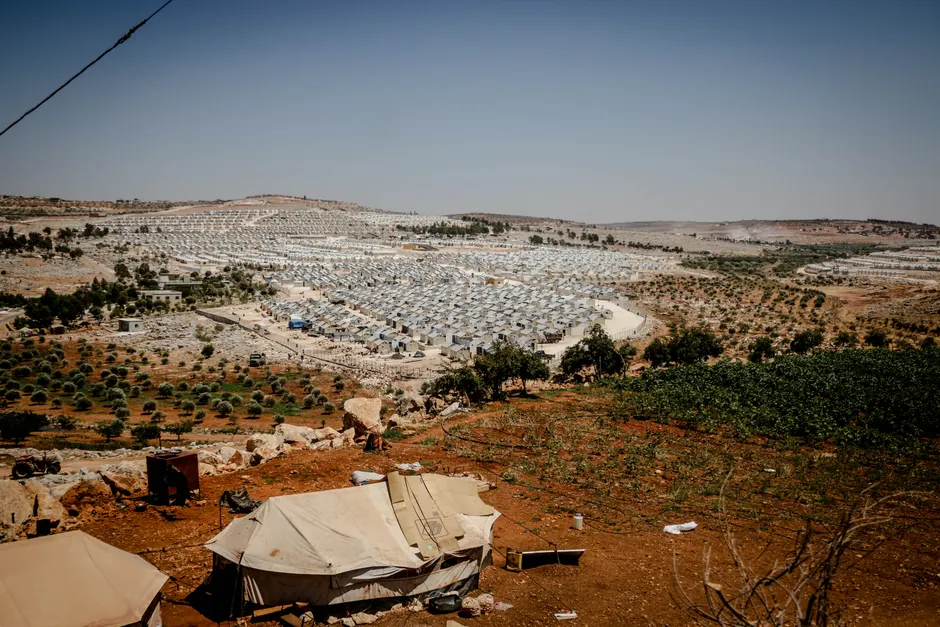
The spillover into neighboring countries is measurable. The Norwegian Refugee Council reported assisting more than 650,000 people in South Sudan and provided aid to 26,672 refugees and returnees in Chad during 2024 alone, per its April 2025 explainer. Chad, already hosting one of the world's largest long-term refugee populations, now receives people who walked across the same corridors where civilians were shot at as recently as mid-2023.
What This Pattern Means
What happened in El Geneina—systematic targeting of a specific ethnic group, destruction of civilian infrastructure including hospitals, forced displacement along deadly routes—matches the legal definition of ethnic cleansing. This framing matters for policy because it requires a response beyond humanitarian aid alone; it demands accountability mechanisms and protection guarantees before anyone can safely return.
The Sudan war entered its third year in April 2025 with no credible ceasefire agreement in place and humanitarian access severely limited by RSF control and government counter-operations. The European Union Agency for Asylum assessed the humanitarian situation as "severe" as of October 2024, with cholera outbreaks adding to malnutrition and displacement pressures. The verified situation shows no sign of material improvement since that assessment.
For people working on Sudan—whether in humanitarian coordination, sanctions policy, or refugee law—El Geneina is not a side case. It is the clearest example of where the war's logic leads when operating without constraint.