A UN Investigation Concludes the RSF Committed Genocide in Sudan's El-Fasher
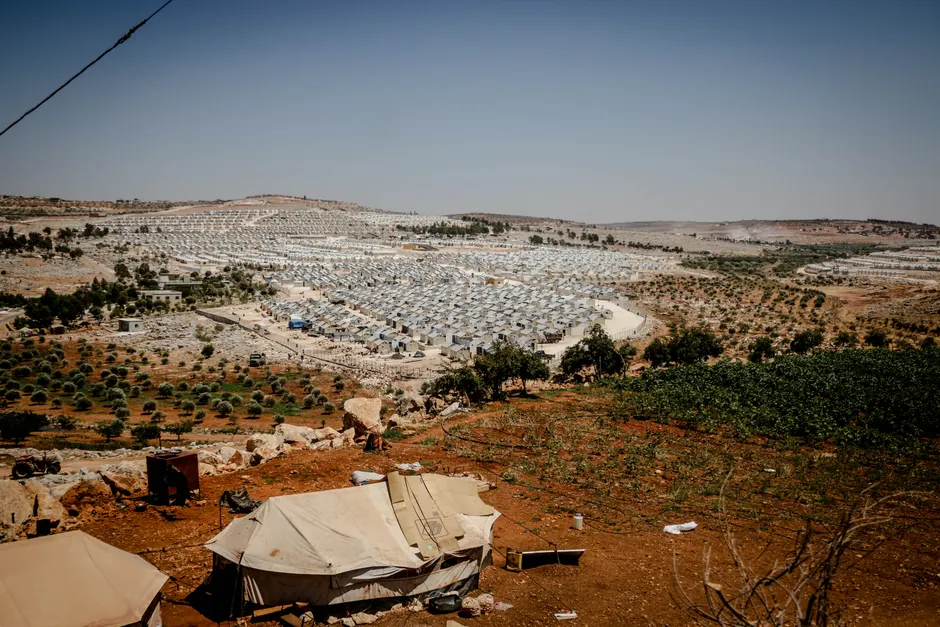
The UN Fact-Finding Mission for Sudan has concluded that the Rapid Support Forces' campaign of violence against civilians during and after its siege of el-Fasher, capital of North Darfur state, amounts to genocide. The determination, issued in a report published July 9, 2026, represents a hardening of language the same mission used in February, when it identified "hallmarks of genocide" in the RSF's mass killings of non-Arab communities following the city's capture Al Jazeera.
Mohamed Chande Othman, who chairs the mission, presented the findings, which also determined that the RSF and allied forces committed the war crime of starvation. Investigators documented a prolonged siege of el-Fasher in which relief supplies were impeded and food production systems were shelled. Under international humanitarian law, deliberately starving a civilian population constitutes a distinct war crime, separate from the genocide charge Al Jazeera.
The report draws on survivor testimonies that describe sexual violence in environments where bodies of recently killed civilians—sometimes family members—remained present. This evidence is paired with the mission's broader analysis of how the RSF's conduct targeted a specific group for destruction, meeting the legal threshold for genocide under international law. Proving genocide requires showing not only that killings occurred, but that those killings were deliberate acts aimed at destroying a community Al Jazeera.
The RSF has rejected the findings, claiming accounts of abuse have been fabricated by its opponents Al Jazeera. This denial mirrors the group's response since the February report, which first detailed the genocide framing in document A/HRC/61/77, "Sudan: Hallmarks of Genocide in El-Fasher" OHCHR. The accompanying February press release described the campaign as targeting non-Arab communities specifically OHCHR.
From el-Fasher to el-Obeid
The mission's findings arrive as UN officials warn that the pattern is spreading. UN High Commissioner for Human Rights Volker Türk has cautioned that a catastrophe is unfolding around el-Obeid, capital of North Kordofan state, where summary executions, abductions, torture, and sexual violence have been documented across the region Al Jazeera. El-Obeid is home to roughly half a million residents, including more than 83,000 internally displaced people who fled fighting elsewhere. These displaced populations now face encirclement themselves Al Jazeera.
The UN Human Rights Council responded on the Monday before this report's release by condemning the violence and establishing an urgent inquiry into abuses in Kordofan Al Jazeera. The timing is significant: Geneva's decision to open an inquiry before formally publishing the genocide report suggests that UN officials anticipated the finding and moved to position oversight mechanisms for what they expect to be an expanding crisis, not a contained one.
This collaboration reflects a broader pattern. In April, on the three-year anniversary of the conflict, the Fact-Finding Mission issued a joint statement with the African Commission on Human and Peoples' Rights' Sudan mission OHCHR. That partnership produced a Joint Declaration on Sudan, adopted in Banjul, Gambia in May OHCHR. The architecture linking UN and African Union human rights bodies on Sudan has been developing for months; July's genocide determination stands as its most significant conclusion so far.
Genocide findings from UN fact-finding missions carry no binding enforcement mechanism. They are not court rulings—that authority belongs to institutions like the International Court of Justice or the International Criminal Court, neither of which has issued a corresponding determination on el-Fasher. Instead, such findings establish a record of evidence designed to inform prosecutions, guide sanctions policy, and inform Security Council deliberations. They also place member states on formal notice of their obligations under the Genocide Convention, including the duty to prevent genocide from occurring.
Whether this record leads to accountability depends on factors beyond the UN's control: how the Security Council responds, the positions of countries backing the RSF, and the direction of a war that has now shifted toward Kordofan. The starvation-as-war-crime finding opens a second prosecutable avenue alongside genocide, potentially broadening which actors and command structures could face liability if cases reach trial. For now, the mission's work stands as an exhaustive—and painful—documentation of a conflict whose worst phase may be spreading eastward.