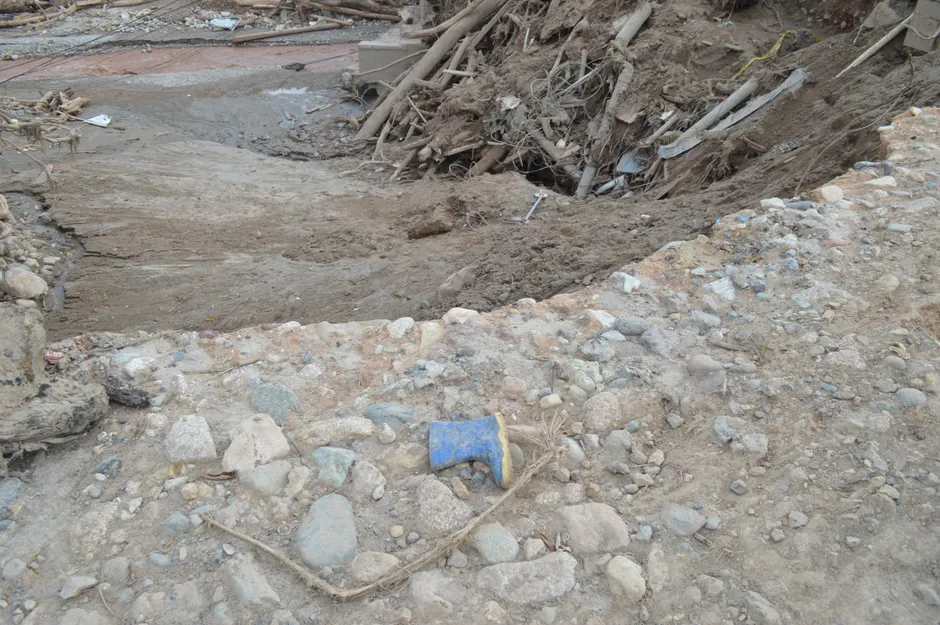
Himalayan Flooding Leaves Nearly 1,500 Missing Across Nepal and Tibet
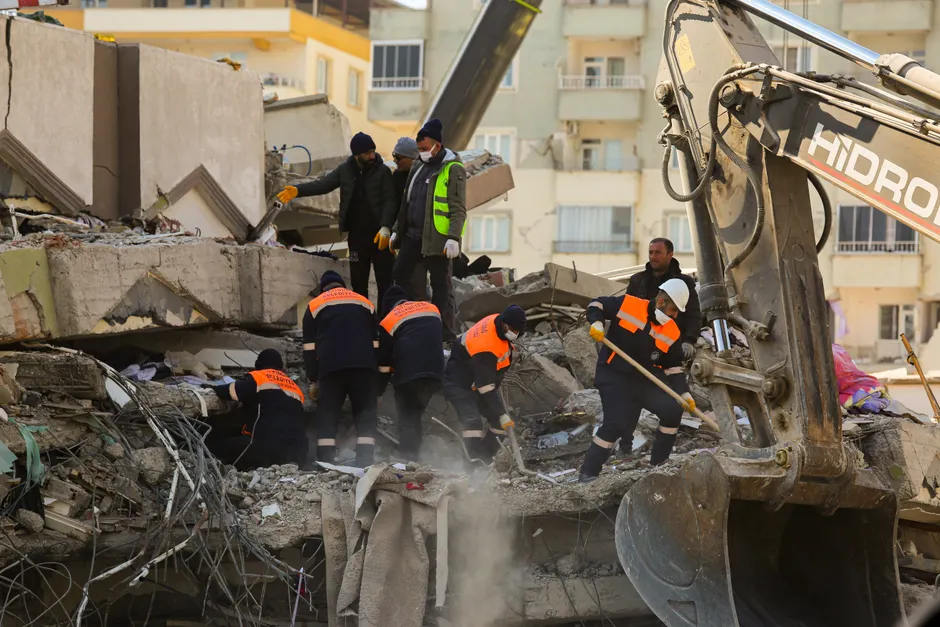
Nearly 1,500 people, including more than 700 foreigners, are missing across Nepal and China's Tibet Autonomous Region following severe flooding that struck the Himalayan border area in late August 2026, according to Reuters. Nepali police expect the death toll to rise as rescue operations continue across difficult terrain.
The confirmed death toll continues to climb. The BBC reported at least 177 bodies recovered in Nepal as of August 27, with more than 800 people missing on the Nepali side alone. In Tibet, at least 558 people are missing from the same flooding event. CNN, reporting a day earlier on August 26, had placed the overall figure at more than 1,300 missing and more than 270 confirmed dead across the border region. The Guardian noted that authorities in both Nepal and China had reported more than 160 deaths and over 1,300 missing, while acknowledging that casualty figures may vary across reports given the fluidity of the situation and the difficulty of verifying numbers from remote areas.
Deutsche Welle reported that the death toll from the Nepal flooding had reached at least 100, with dozens still unaccounted for according to police. The varying figures from different outlets reflect the rapid evolution of the disaster and the challenges of consolidating information from multiple jurisdictions across a high-altitude border zone.
The presence of foreign nationals among the missing has added an international dimension to the crisis. ABC News reported that at least three American tourists were among a preliminary tally of 384 people missing in Nepal, a figure the outlet attributed before later reports substantially revised the count upward. The large number of foreigners missing reflects the Himalayan region's status as a major trekking and tourism destination during the August travel season.
The scale of the August 2026 flooding is thrown into relief by Nepal's National Disaster Risk Reduction and Management Authority (NDRRMA), which in its Daily Disaster Bulletin of August 22 reported just one person dead and 18 injured. That bulletin, dated five days before the current crisis peaked in national and international reporting, shows how rapidly conditions deteriorated. The NDRRMA has not yet been cited in August 27 reporting with updated figures, meaning the authoritative national disaster body's confirmed numbers may lag behind those being reported by police and international media.
The broader context here is one of institutional capacity and geographic vulnerability. The affected area spans a politically sensitive and logistically demanding border between Nepal and China, where monsoon-season flooding can overwhelm infrastructure that is, under the best conditions, stretched thin. Think of it as a rescue operation spread across a mountain range the size of the Alps, but with far fewer roads, limited helicopter access, and river systems that can rise with little warning. The high proportion of foreign nationals among the missing means that multiple embassies and foreign ministries are now engaged, complicating an already fluid rescue and identification effort. Nepal's disaster response infrastructure has improved in recent years, but the NDRRMA's own August 22 bulletin, with its minimal casualty count, illustrates the lag between ground-level escalation and centralized reporting that can persist even during a fast-moving event.
A further layer of complexity involves the Chinese side of the border. Information from Tibet is tightly controlled by Chinese authorities, and casualty figures from within the autonomous region are typically released through official channels with limited independent verification. The figure of 558 missing in Tibet, as reported by the BBC, likely originates from Chinese state sources, though the precise provenance was not specified in the available reporting.
For governments, humanitarian organizations, and foreign missions now mobilizing, the practical challenge is triage — prioritizing where to send limited resources — across a vast, high-altitude disaster zone where communication infrastructure may be damaged and where the monsoon continues to pose secondary risks. The discrepancy in figures across outlets is not merely a matter of reporting lag; it reflects the genuine difficulty of conducting damage assessment in terrain where access is constrained and where multiple river systems may have crested simultaneously. Nepal's police have signaled they expect the death toll to rise, a standard but significant indicator that recovered bodies are still being counted and that the missing may not all be found alive.