Nepal-Tibet Border Flood: At Least 165 Dead, Over 1,500 Missing
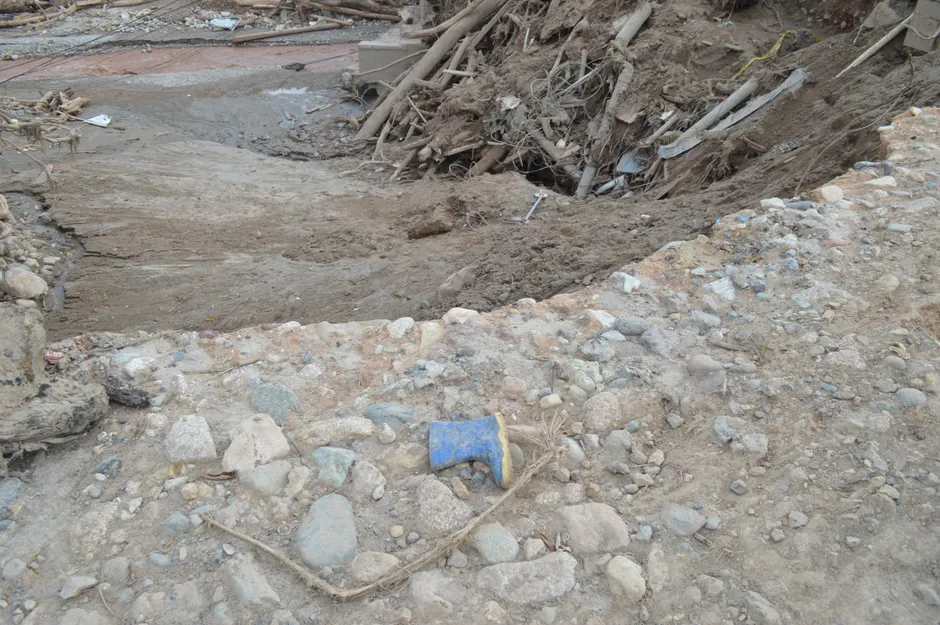
A flash flood along the Nepal-Tibet border has killed at least 165 people, with more than 1,500 missing, according to Nepali police and The Guardian. Rescue teams are struggling to reach remote communities cut off by the floodwaters. Chinese state media has separately reported three deaths on the Tibet side, with 558 people missing in Gyirong county alone, including 260 foreign nationals.
Reuters first reported the catastrophe on August 26, 2026, describing a flash flood that struck the border region and washed away villages and project sites near the Tibet frontier. By late that day, Nepali police had recovered 165 bodies, according to The Guardian. Reuters reported 157 bodies recovered and three killed with 265 missing in Gyirong on the Chinese side. By August 27, CCTV raised the missing tally in Tibet's Gyirong county to 558, including 260 foreign nationals, according to Reuters.
The scale of the missing is staggering. The Guardian reported that more than 1,500 people remain unaccounted for after the flood, most of them tourists. The border region between Nepal and Tibet, particularly around Gyirong, is a route used by travelers crossing between the two countries, which may explain the large number of foreign nationals among the missing on the Chinese side.
The disaster fits a broader pattern of extreme weather and hydrological events across the region. Nepal's National Disaster Risk Reduction and Management Authority (NDRRMA) has reported 33 disaster-related incidents across the country, including snakebites, landslides, fires, floods, and heavy rainfall. On July 9, 2025, NDRRMA had already flagged a flash flood on the Bhotekoshi River in Rasuwa, a district bordering Tibet, suggesting heightened hydrological risk in the trans-Himalayan river systems well before the August catastrophe.
Those rivers originate on the Tibetan plateau and flow south into Nepal. They are prone to sudden discharge spikes — rapid increases in water flow — caused by glacial events, dam releases, or upstream collapses. Communities along their banks have limited warning windows. The confirmed death toll of 165 on the Nepali side, combined with the 1,500-plus missing, would place this event among the deadliest cross-border flood disasters in the region in recent memory, though a definitive ranking cannot be made from the available data.
China's State Council Information Office, in its 2019 whitepaper "China's National Defense in the New Era," noted that China had participated in international disaster relief efforts including the Nepal earthquake and the Laos dam-collapse flood, assisting over 230,000 people. Whether Beijing deploys similar cross-border relief mechanisms in response to this event is an open question, given that the disaster straddles the Nepal-China frontier and involves casualties on both sides. The presence of 260 foreign nationals among the missing in Gyirong alone adds a diplomatic dimension, as multiple governments will be seeking information about their citizens.
Separately, on July 30, 2026, the Xizang Development and Reform Commission debunked a rumor that a building in Pingshan Town, Wolong District, Nanyang, Henan had collapsed into a river during heavy rain, confirming the circulating video was actually filmed in 2021 during a reservoir flood discharge. While unrelated to the border flood, the episode illustrates how quickly disaster misinformation spreads during periods of extreme weather across both China and Nepal, complicating official communication and rescue coordination.
The confirmed figures as of August 27, 2026 are 165 dead on the Nepali side, three dead on the Chinese side, 558 missing in Gyirong county (including 260 foreign nationals), and more than 1,500 missing overall according to The Guardian. These numbers are evolving as rescue teams reach additional areas. The discrepancy between Reuters' earlier count of 265 missing in Gyirong and CCTV's subsequent figure of 558 reflects the rapidly changing picture as Chinese authorities expand their search radius.
The broader context here is the mounting hydrological risk across the Himalayan arc. Glacial lakes, permafrost degradation, and increasingly erratic monsoon patterns have made trans-Himalayan river basins flashpoints for catastrophic flooding. The infrastructure on both sides of the border — villages, road projects, and crossing-point facilities — sits directly in the path of rivers that can transform from modest flows to walls of water within minutes. NDRRMA's catalog of 33 concurrent disaster incidents across Nepal makes clear that this flood is not an isolated event but part of a multi-hazard emergency straining the country's disaster response capacity simultaneously.


