Two Men Convicted in Arson Attacks on UK Prime Minister's Properties
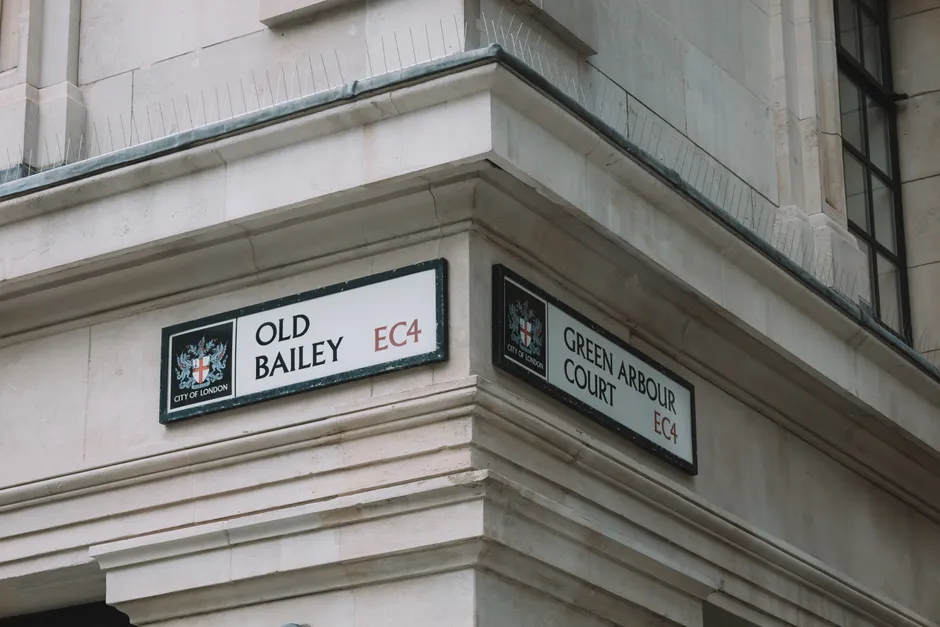
Two men were convicted on June 15, 2026 at London's Old Bailey of conspiracy to commit arson in connection with attacks on properties in north London linked to Prime Minister Keir Starmer. Roman Lavrynovych, 22, a Ukrainian national, was found guilty of two counts of committing arson while reckless about whether life was endangered. Stanislav Carpiuc, 27, a Ukrainian-born Romanian national, was also convicted. Both were arrested by detectives from Counter Terrorism Policing London, the Metropolitan Police reported.
A third man, Petro Pochynok, 34, was involved in the case and denies the charges against him, the BBC reported in May 2026.
Why Counter Terrorism Police Led This Case
Counter Terrorism Policing took charge of this investigation from the start — an unusual choice that signals how authorities viewed the threat. CT Policing typically steps in when an attack appears designed to intimidate the government, force a change in policy, or push a foreign or ideological cause. Even when formal terrorism charges aren't filed, this agency handles cases with those hallmarks.
The specific charges against Lavrynovych matter too. Being convicted of arson while "reckless as to whether life was endangered" is a serious charge that requires prosecutors to prove the fires posed genuine danger to people. This frames the case as one involving real risk to human life, not just property damage.
Why This Matters
Properties linked to a sitting prime minister fall within the state's formal protection system. An arson attack on such locations — whatever the perpetrators' actual motives — triggers security protocols spanning the Metropolitan Police, MI5 (Britain's domestic intelligence agency), and the government's protective security office. The decision to assign Counter Terrorism Policing rather than standard detectives reflects that this attack crossed into the realm of national security.
The nationalities of the convicted men will draw attention in today's European context. Ukraine is a partner receiving significant British military and financial aid. Any hint that the Ukrainian or Romanian state played a role would carry real diplomatic consequences. However, the public record so far contains only the convictions themselves. Questions about who directed the attacks, why they did it, and whether foreign actors were involved remain unanswered at this stage.
The Crown Prosecution Service confirmed the convictions. Sentencing and any formal account of motive from prosecutors or security officials are expected to follow, which should provide clearer answers to those outstanding questions.


