UK Court Convicts Two in Plot Against PM Starmer Linked to Russian Operative

A London jury convicted two men on June 15, 2026, of planning arson attacks on properties and a vehicle connected to UK Prime Minister Keir Starmer. The operation appears directed by a Russian-speaking figure whose identity remains unknown and unapprehended, according to Reuters, Al Jazeera, and the Washington Post.
Roman Lavrynovych, a 22-year-old Ukrainian national, was found guilty of two counts of arson committed with recklessness regarding whether life was endangered. A second defendant was also convicted in connection with the plot. The critical distinction here is that both men were charged with committing arson—actually setting fires—rather than merely planning or preparing attacks. Under English law, that difference carries substantial weight at sentencing.
What elevates this case beyond routine criminal prosecution is the alleged control from outside the UK. Prosecutors presented evidence that a Russian-speaking individual orchestrated the plot but has neither been publicly identified nor apprehended. This detail shifts the case into the category of proxy or state-adjacent threats—the kind UK security services and allied intelligence agencies have been monitoring closely since Russia's 2022 full-scale invasion of Ukraine.
The fact that a Ukrainian national carried out the attacks adds complexity. Russian intelligence has a documented pattern of recruiting Ukrainian nationals for operations in Europe, partly because they generate less suspicion than Russian citizens, and partly because some individuals face financial pressure or coercion. Whether such circumstances applied here remains a question for sentencing hearings and security reviews. The court's verdict establishes guilt; it does not establish the full picture of why the defendant acted.
Attacking a sitting Prime Minister's private residences and personal vehicle is uncommon enough in the UK to warrant serious concern. Starmer has been among Europe's most sustained voices supporting Ukraine's defense, and the UK has been a principal supplier of military and intelligence assistance to Kyiv. The selection of residential targets rather than government offices suggests intent to intimidate at a personal level, though prosecutors would have outlined the precise reasoning during trial.
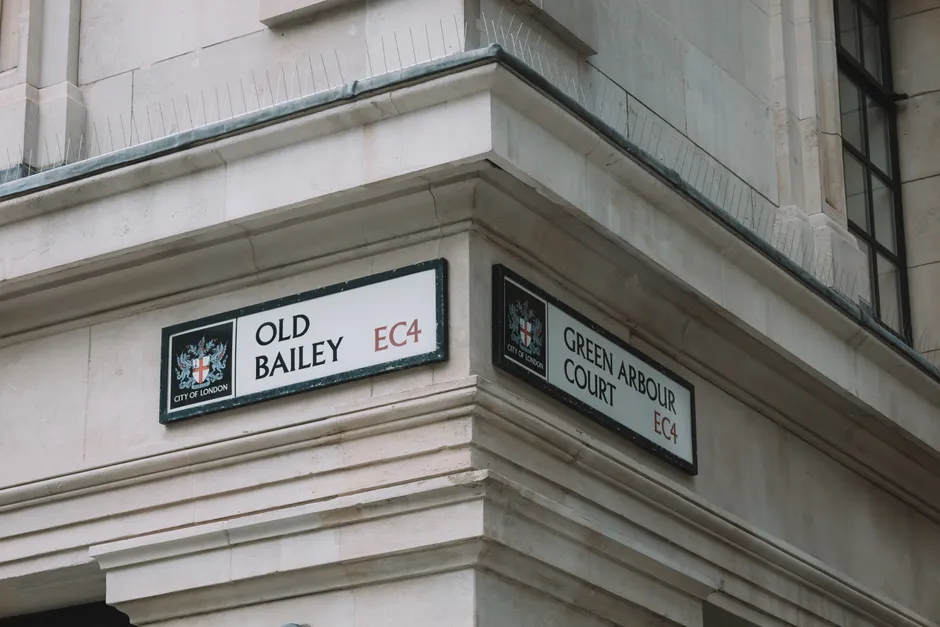
The Old Bailey, London's Central Criminal Court, handles England and Wales' most severe cases. Convictions for arson involving recklessness as to endangerment carry a maximum sentence of life imprisonment. Sentencing for Lavrynovych and his co-defendant has not yet been announced.
European governments have documented a pattern over several years: Russian intelligence services—primarily the GRU and FSB—recruiting intermediaries in third countries to execute deniable disruptive operations. The UK's domestic counter-intelligence agency MI5 and European counterparts have repeatedly warned that such operations are accelerating in both frequency and scope. Whether the unnamed Russian-speaking coordinator had state backing, acted independently, or fits another category entirely may depend on classified intelligence assessments unlikely to reach public view.
For Starmer's government, this verdict arrives during a politically delicate moment. Britain's approach to Russia and Ukraine defines a central axis of its foreign policy. Any perception that supporting Ukraine generates personal threats to the Prime Minister will shape both security decisions and public conversation about the cost of that commitment. The government's response—whether through formal statement, security review, or deliberate silence—will carry strategic weight in its own right.
Sentencing dates and further details about the Russian-speaking orchestrator have not been publicly announced. The question of whether this operation reflects broader attempts to destabilize Western governments, or whether it represents an isolated incident, will likely remain contested until or unless additional prosecutions or public intelligence assessments clarify the picture.