Speedo iQ: A Removable Smart Module for Competitive Swim Goggles
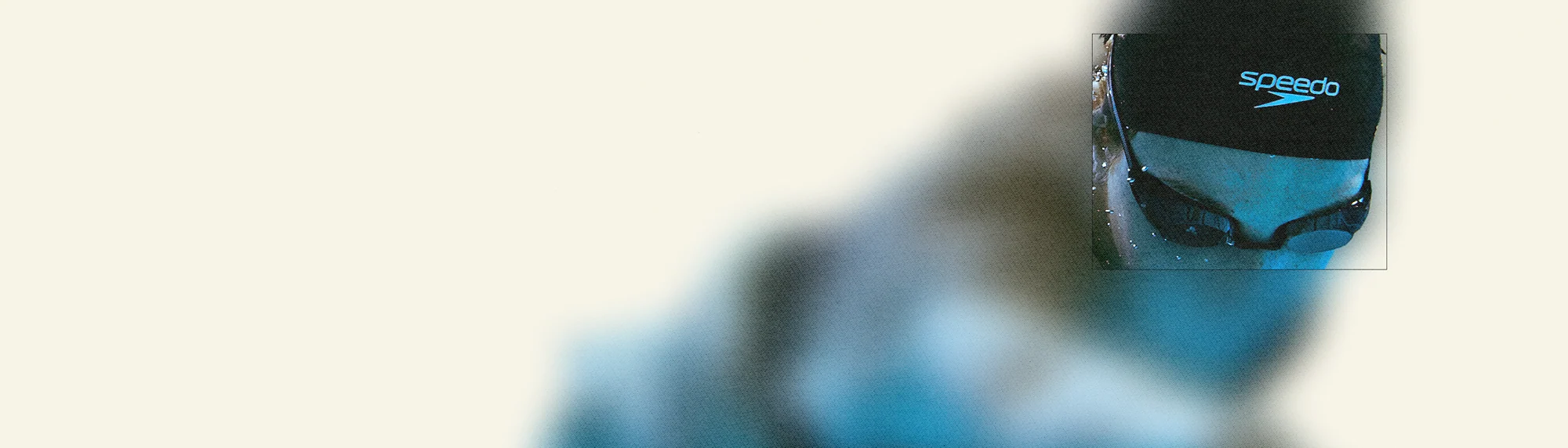
Speedo has launched Speedo iQ, a removable smart module that clips onto its Vanquisher 3.0 swim goggles and tracks performance across all four competitive strokes: freestyle, backstroke, breaststroke, and butterfly. The system is available now at $189 for the goggles with the module included, in a range of colors. The Verge
The module uses swim-specific sensors to track head movement in the water, time breaths, and measure distance per stroke. Data syncs automatically to a companion app, so swimmers review their performance after getting out of the pool rather than mid-session. The app lets users track every stroke, breath, and turn, replay their swim, and surface insights from the session. The Verge
The most deliberate design choice is what Speedo iQ leaves out: a heads-up display. Form's smart goggles project real-time metrics onto a built-in screen inside the lens. Speedo has gone the opposite direction, keeping the goggle optics entirely standard and pushing all analytics to the phone after the swim. The Verge
The module is removable and transferable. If a pair of Vanquisher goggles wears out or breaks, the swimmer can move the Speedo iQ unit to a replacement pair. That is a practical concession to a real problem: goggles are consumable items in competitive swimming, prone to strap failure, seal degradation, and lens scratching. The non-mirrored Vanquisher 3.0 retails around $30 on its own, which puts the smart module's implied cost at roughly $159 above the base goggle. The Verge; GearJunkie
Speedo iQ does not require a subscription. In a hardware category where recurring software fees have become common, that is a notable positioning decision. Swimmers pay once at purchase and get full access to the app's tracking and replay features without an ongoing charge.
The system is legal for use during World Aquatics competitions. That clearance matters for the target market: competitive swimmers and coaches who need any in-water data collection to comply with governing-body rules. Whether a swimmer chooses to use the module in competition or reserves it for training, the regulatory green light removes a barrier that has limited some wearable tech in sanctioned events. The Verge
Some colorways of the Vanquisher 3.0 with Speedo iQ were already listed as out of stock on Speedo's own product pages, though availability across the full color range and ordering channels may vary. Speedo
The broader context here is about two different bets on what swimmers actually want from wearable tech. Form's display-in-goggle model assumes swimmers want real-time feedback during the swim. Speedo's bet is that the head is a rich enough sensor platform on its own, and that the analytics are more valuable consumed post-session on a phone screen, where a coach or swimmer can study stroke breakdowns without the constraint of a tiny in-lens readout.
The transferable module is the other structurally meaningful choice. Embedding electronics directly into goggles ties the sensor's lifespan to the goggle's, which in competitive swimming is short. By separating the two, Speedo has built a system where the expensive component survives the consumable one. That is a design pattern we have seen succeed in other wearable categories where the housing is disposable but the electronics are not.
The four-stroke coverage and breath-timing capability suggest the sensor suite is doing genuine biomechanical inference from head-mounted data rather than simple lap counting. Head position during a swim stroke is surprisingly informative: it correlates with body rotation in freestyle and backstroke, timing relative to kick cycles in butterfly, and breath rhythm across all strokes. The quality of that inference will determine whether Speedo iQ becomes a serious training tool or a novelty, and that judgment will require sustained use across different swimmer profiles.
What Speedo iQ enables is straightforward: a competitive swimmer can now capture stroke-by-stroke biomechanical data, review it on a phone, move the sensor to new goggles as old ones fail, and use the whole system in sanctioned competition, all without a recurring fee. Whether the post-swim-only feedback model proves more durable than the in-goggle display approach is a question the market will answer over the next few seasons.