Malaysia to Begin Returning Myanmar Refugees by Ship Amid Safety Debate

Malaysia has finalised the first phase of a voluntary repatriation programme that will send at least 1,500 eligible Myanmar refugees home by ship starting September 29, 2026, according to Malaysia's Home Ministry. Two Myanmar naval warships and a hospital ship will carry out the returns. The plan follows Prime Minister Anwar Ibrahim's July 2026 announcement that Myanmar's military-backed government had agreed to accept back 5,000 Rohingya refugees under a bilateral arrangement between the two countries.
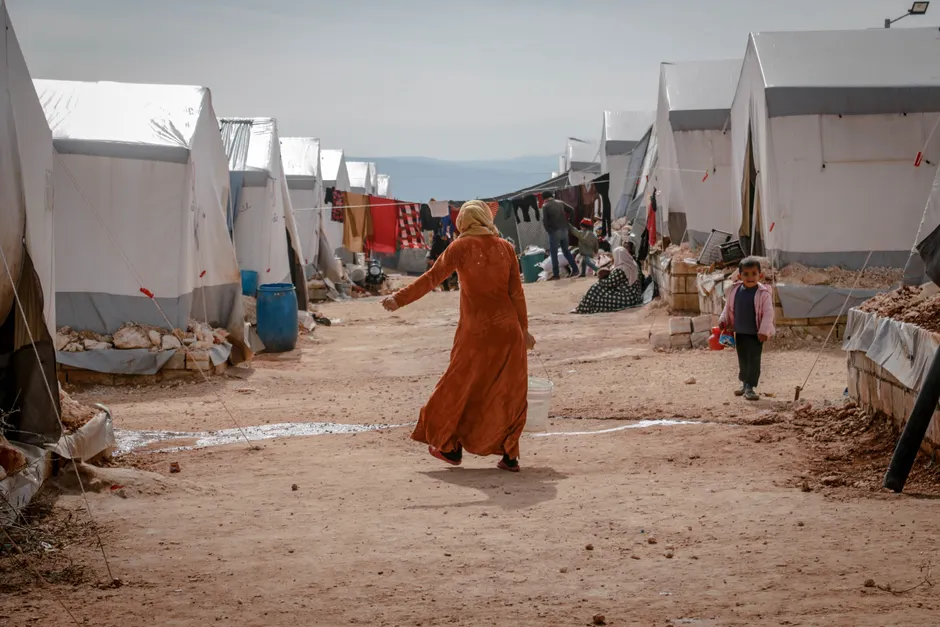
The broader framework calls for 5,000 individuals to return voluntarily, as agreed between Malaysia and Myanmar. Separately, more than 4,000 people, mostly Rohingya, are being enrolled in Malaysia's Refugee Registration Document (DPP) programme. As of mid-August 2026, 10,388 Myanmar nationals were held at Malaysian immigration detention centres, though not all of those detained are considered refugees. Malaysia's immigration department, working with police, is verifying the identity, citizenship, immigration status, asylum claims, and security background of each detainee, with the process expected to conclude by the end of 2026.
Malaysia has sought to address safety concerns surrounding the returns. The government has stated it will not proceed with repatriation if refugees' lives would be at risk upon return. Communications Minister Fahmi Fadzil reinforced that position, saying Malaysia will not return the 5,000 Myanmar refugees if they would face persecution or their lives would be threatened. The first-phase returns on September 29 are being described as voluntary.
Those assurances have not satisfied international human rights monitors. Human Rights Watch has said conditions for a safe, dignified, and voluntary return to Myanmar do not currently exist, citing the Myanmar military's continued commission of war crimes and crimes against humanity. That assessment directly challenges the premise of voluntary repatriation under conditions the Malaysian government says it is safeguarding against.
The repatriation plan unfolds against a specific legal backdrop. Malaysia is not a signatory to the 1951 United Nations Refugee Convention, the core international treaty defining who qualifies as a refugee and what protections they must receive. Malaysia does not formally recognise refugee status. The country hosts more than 215,000 refugees and asylum seekers registered with the UN High Commissioner for Refugees (UNHCR), including more than 126,000 Rohingya. Without domestic legal recognition, refugees in Malaysia lack the protections that convention signatories must provide, leaving their legal status and access to services limited.
The gap between Malaysia's stated safeguards and the concerns raised by Human Rights Watch turns on a core question: whether conditions inside Myanmar can realistically be assessed as safe for return. Human Rights Watch's position is that they cannot be, given ongoing atrocities attributed to the military. Malaysia's conditional language, that it will not proceed if lives are at risk, leaves open the question of how that risk threshold is determined and by whom. The Home Ministry has not detailed specific mechanisms for individualised risk assessment, nor has it clarified what role, if any, the UNHCR will play in the September 29 returns or in subsequent phases.
Several operational and humanitarian dimensions remain unresolved as the September date approaches. The use of Myanmar naval vessels for the returns places the logistics of repatriation under the authority of the same military that Human Rights Watch accuses of ongoing crimes against humanity. The bilateral nature of the agreement between Kuala Lumpur and Naypyidaw, rather than a tripartite arrangement involving UNHCR, raises questions about independent monitoring during and after the returns. Malaysia's status as a non-signatory to the Refugee Convention further means that the legal framework governing those returned is Myanmar's domestic law, under which Rohingya have historically faced denial of citizenship and restricted rights.
The broader context here involves a regional pattern in which Southeast Asian states hosting Rohingya populations have sought bilateral channels for return, while international observers and refugee advocacy organisations have consistently maintained that conditions in Rakhine State and elsewhere in Myanmar are not safe for return. Malaysia's initiative, framed as voluntary and conditional on safety, tests whether a middle path can be constructed between indefinite hosting and the protections that international refugee law is designed to guarantee. The credibility of that test will depend on transparency in the risk-assessment process, the treatment returnees receive upon arrival, and whether subsequent phases proceed on schedule or are paused in response to conditions on the ground.