A Royal Necklace, a Hammer, and a Daylight Escape: Inside the Vienna Museum Heist
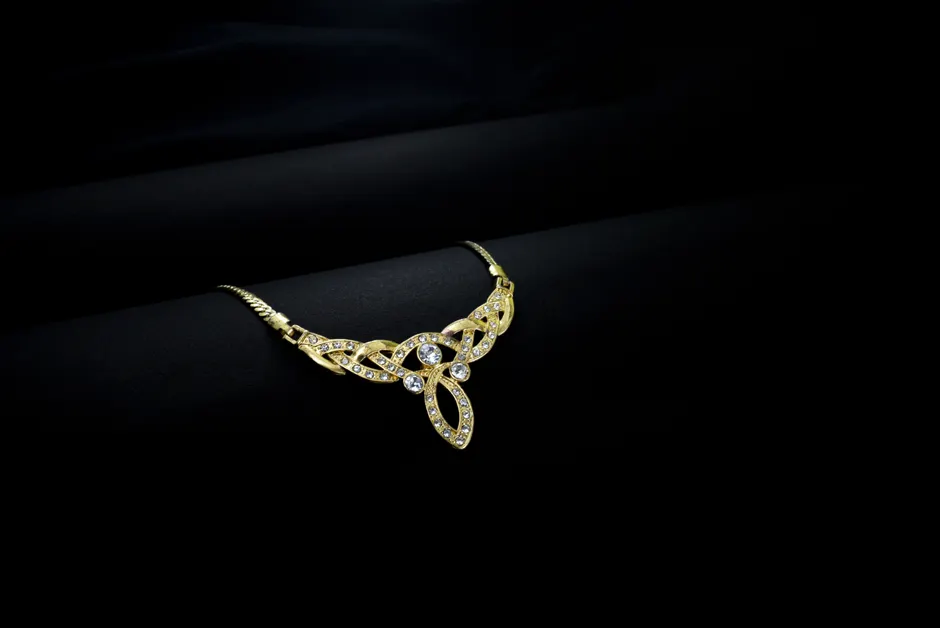
Two men bought tickets to a jewellery exhibition at Vienna's Museum of Applied Arts (MAK) on a Thursday afternoon, smashed a glass display case with a hammer, and ran off with a 200-carat platinum necklace bearing 673 diamonds that once belonged to Queen Consort Nazli of Egypt. Austrian police are now searching for the suspects, who appeared on security cameras without masks during the daylight raid The Guardian.
The theft took place at the MAK on Vienna's Stubenring during regular opening hours. Several visitors were in the room at the time. No one was hurt. Police spread through the city centre and brought in a tracking dog, but the suspects had already left the scene The Guardian Vienna.at.
Police have since released security-camera images of the two unmasked men in a public appeal for information. The Kronen newspaper reported that investigators believe the suspects were likely carrying out a "contract job" on behalf of a criminal gang, though no arrests have been announced The Guardian.
The stolen piece dates from 1939 and was designed for the former Egyptian royal family. Queen Consort Nazli wore the necklace at the wedding of her daughter, Princess Fawzia, to Iran's then crown prince, Mohammad Reza Pahlavi, that same year. Sotheby's sold the necklace in New York in 2015 for $4.3 million. The current insured value has not been disclosed The Guardian CTV News.
The necklace was on display as part of an exhibition at the MAK featuring more than 300 works by the French design house Van Cleef & Arpels, which had been open since June. The exhibition was due to run through 27 September. Following the theft, the museum temporarily closed the exhibition and cancelled a guided tour scheduled for the following Friday The Guardian.
The broader context here is that the operation fits a recognisable pattern of organised cultural property crime. The suspects bought admission tickets, used a blunt instrument to break into a display case in a crowded gallery, and fled immediately. That sequence suggests they had scouted the museum in advance and planned an escape route. The characterisation by investigators, as reported by Kronen, of the operation as a contracted commission aligns with a wider pattern in high-value jewellery thefts across European museums, where intermediaries are hired by criminal networks that already have channels to sell or break apart stolen gemstones. Platinum and diamond jewellery on this scale is especially vulnerable to being dismantled: individual stones can be re-cut and given new certification, making recovery after dispersal extremely difficult.
The provenance, or documented ownership history, of the piece adds further complications. An object with a known royal lineage, a public auction record, and a verifiable exhibition history is, paradoxically, both harder to sell intact on the grey market and more valuable as a whole to the right clandestine buyer. The 2015 Sotheby's sale price of $4.3 million sets a market benchmark, but the illicit value of such a piece is typically a fraction of its legitimate auction value. For investigators, the challenge is narrow: the necklace must either be recovered before it is dismantled or taken across borders, or the trail goes cold.
For institutions, the incident will likely prompt renewed scrutiny of exhibition security protocols. The MAK exhibition featured hundreds of pieces by a single prestigious design house, and the stolen item sat in a glass case that could be breached with a handheld hammer. The balance between accessibility and physical protection is a perennial tension in museum design, and incidents like this one tend to accelerate investment in laminated or polycarbonate glazing, proximity alarms, and rapid-response lockdown systems.
The MAK has not announced when the Van Cleef & Arpels exhibition will reopen. Vienna police continue to appeal to the public for any information regarding the two suspects.