A Royal Diamond Necklace Was Stolen in a Vienna Museum Smash-and-Grab

Two men stole a diamond necklace from the Museum für angewandte Kunst (MAK) in Vienna's inner city on Thursday afternoon, smashing a glass display case with a hammer to seize the piece before fleeing. The theft occurred at approximately 14:00, according to Austrian media reports published on August 28, 2026 (Krone).
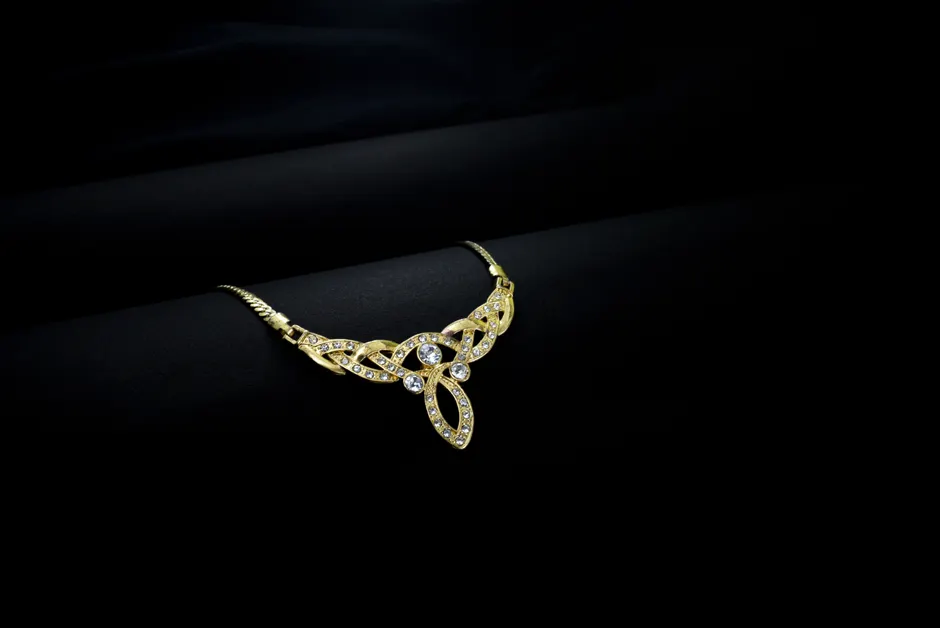
The stolen necklace was set with 673 stones and weighed 200 carats. It had been made for an Egyptian queen and carried links to the Egyptian royal family, according to reporting by The National (The National). The piece was valued at about $4 million.
MAK general director Lilli Hollein confirmed that the museum had developed a security plan specifically for the jewellery exhibition with Van Cleef & Arpels, the exhibition's partner, and that this was the display at which the theft occurred (BBC). Hollein also stated that MAK staff followed established procedures and reacted calmly during what she termed the "armed incident," and that no one was injured.
Vienna police released a photograph of the stolen necklace as they continued to search for the two suspects (Bild). Austrian broadcaster ORF aired a news video about the theft on August 28, reporting that the incident had taken place the previous day, a Thursday afternoon (ORF).
The Vienna heist fits a discernible pattern of high-profile museum thefts across Europe over the past year. On the same Thursday as the MAK incident, a trove of prehistoric jewellery and artefacts was stolen from a museum in Spain (BBC). Earlier in August 2026, four Renaissance paintings were taken from a museum in Sicily. In a separate incident earlier in the year, three paintings by Renoir, Cézanne, and Matisse worth millions of euros were stolen from a museum in Parma (BBC).
Looking at the broader trajectory, the most brazen predecessor to these incidents occurred last October, when a masked gang stole priceless jewels from the Louvre in Paris in a daylight raid. The concentration of these thefts, targeting high-value portable objects, raises pointed questions about the adequacy of current physical security protocols at institutions housing irreplaceable cultural assets.
What makes the MAK case particularly notable is that the museum had a partner-developed security plan in place, yet a straightforward smash-and-grab still succeeded. No one was injured, which suggests the operational response prioritized human safety. But the ease of the extraction points to potential gaps in display-case hardening and rapid-response interdiction — the measures meant to physically delay or stop a thief before they can leave the building.
For security professionals and cultural-property insurers, the clustering of these events across multiple jurisdictions in 2026 warrants attention. The targeting pattern spans centuries of art history, from prehistoric artefacts to Renaissance canvases to modernist masterpieces and bespoke royal jewellery. That breadth suggests the perpetrators are motivated by perceived resale or ransom value rather than specialized art-historical interest.
Recovering the 673-stone necklace will likely depend on police intelligence and international coordination. The cross-border pattern of recent thefts suggests potential networks operating across European borders, which makes rapid information-sharing between national police forces a critical factor in whether these objects resurface.