Australians Missing in Nepal Floods Rise to 41 as Rescue Operations Resume
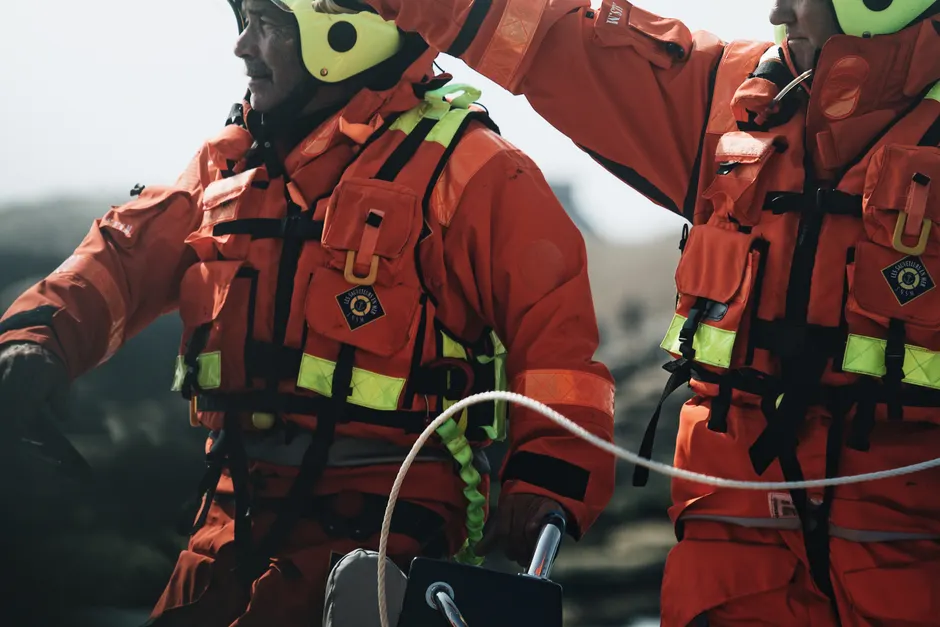
The number of Australians reported missing in Nepal's flooding disaster rose to 41 on 28 August 2026, up from 38 earlier that evening, as rescue operations along the Nepal-Tibet border restarted after a pause caused by the risk of further flooding.
Nepal's disaster management agency has reported 1,924 people unaccounted for overall, including 517 foreign tourists. The Red Cross estimates about 600 dead and as many as 93,000 people affected by flash floods that struck the Nepal-Tibet border region on Wednesday. Nepal's disaster management authority said 121 foreigners had been rescued as of approximately 7:30pm on Friday 28 August, none of them Australian. (The Guardian)
The Australian missing figure shifted several times over 36 hours. Prime Minister Anthony Albanese confirmed 34 Australians were missing on 27 August. The tally was later reported at 39 before settling at 41. Australia's Department of Foreign Affairs (DFAT) has received more than 450 calls related to the disaster. At least 35 Australians were known to be touring the affected Nepal and China flood area, according to an earlier DFAT briefing. (SBS News)
One Australian, Cara Severino, 25, became the first of those reported missing to be confirmed safe after she contacted her parents on Friday morning. Severino had been hiking with a group of Nepali trekkers toward Kathmandu on a route exceeding 110 kilometres, placing her well away from the flood disaster zone. Her case is a telling example of how communication blackouts in the affected region, rather than confirmed casualties, are driving the missing-persons count.
Canberra's consular and humanitarian response has scaled rapidly. Four DFAT crisis response team officers were expected to arrive in Kathmandu on Saturday to support consular efforts, along with four rapid response team members specialising in communications, logistics, and humanitarian planning. Australia already had roughly 20 personnel on the ground at its embassy in Kathmandu before the additional deployments. On Friday night, Foreign Affairs Minister Penny Wong spoke with Nepali Foreign Minister Shisir Khanal about further Australian humanitarian assistance, and Australia pledged $5 million in aid and support. Australian charity peak body Emergency Action Alliance was simultaneously raising funds for emergency shelters, food, safe drinking water, hygiene supplies, and medical care for affected communities.
Rescue operations in Nepal and China resumed on Saturday morning after being suspended due to the risk of further flooding. The operational pause reflects the compound hazard facing responders: not only the immediate flood damage and the scale of the missing population, but the threat of secondary flooding events in a region where terrain and monsoon conditions complicate access.
Smartraveller has issued advisories for flash flooding and mudslides in Nepal and China, directing affected Australians to the consular hotline at 1300-555-135 and to 24-hour consular emergency assistance at +61 2 6261 3305.
The scale of the Nepali toll is itself substantial: 127 Nepali tourists are among the missing alongside the 517 foreign citizens, and the total of 1,924 unaccounted spans multiple nationalities concentrated in a border zone that draws heavy trekking and adventure tourism traffic. (ABC News)
The broader context here is the convergence of seasonal monsoon dynamics with a high-density international tourism corridor that has limited evacuation infrastructure. The Nepal-Tibet border region attracts trekkers and adventure tourists from dozens of countries, and the flash floods hit mid-trekking season, when visitor concentrations in remote valleys are near their annual peak. Think of it as a narrow mountain highway carrying peak-hour traffic when a washout hits: lots of people in a place with few escape routes. The resulting caseload, distributed across multiple nationalities with varying consular capacity, places significant strain on Nepal's disaster management architecture and on the diplomatic missions trying to locate and extract their citizens.
For Australia, the response draws on the same crisis-consular framework deployed in past overseas disasters: hotline surge capacity, embassy-led coordination, and rapid response team insertion into the host country's disaster-management structure. The $5 million pledge and the dual-track deployment of consular and humanitarian specialists signal that Canberra is treating the event as a sustained operation rather than a short-term extraction. Whether the missing Australian count narrows quickly will depend in large part on how rapidly communications infrastructure is restored in the affected zones, allowing those out of contact, like Severino, to confirm their safety.


