Nepal–Tibet Flash Floods: Australians Among 1,400 Missing as Death Toll Nears 400

At least 39 Australians are among roughly 1,400 people — predominantly tourists — unaccounted for after catastrophic flash flooding along the Nepal-Tibet border. The death toll across the region has climbed to nearly 400. The Guardian
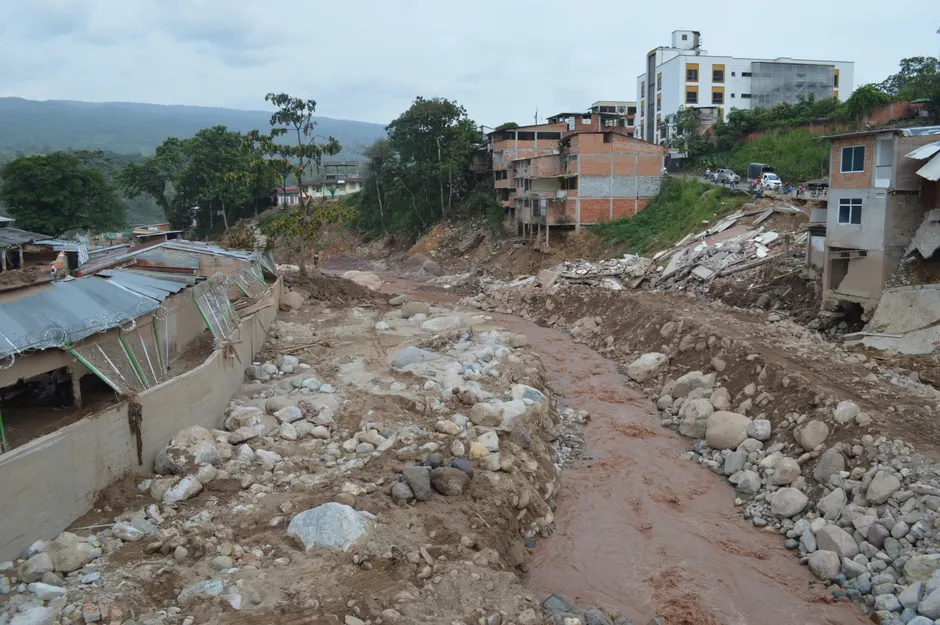
The disaster began on August 26, 2026, when an avalanche of ice and rock triggered massive flash floods and mudslides in Rasuwa District, Nepal. Flash floods are sudden, violent surges of water that race through valleys with little warning, often caused by upstream breaks in ice, rock, or heavy rainfall. Initial reports on August 26 confirmed 157 bodies recovered near the Tibet border, with UNICEF estimating 332 fatalities including at least 14 children. By August 27, Reuters reported the death toll had reached at least 359. The most recent figures from The Guardian on August 28 bring the total to nearly 400 dead. NPR, Reuters, UNICEF, Reuters, The Guardian
Among the missing are multiple Australian families travelling on pilgrimage to Mount Kailash, a sacred peak in Tibet that draws thousands of devotees each year. The Muralitharan family of four — Shylaja, 42, Chandrasekaran, 47, and their sons Ashwin, 14, and Aarush, 11 — were part of a 15-person Australian group trekking with Himalayan Glacier Adventures toward an immigration checkpoint on the Tibet-Nepal border. Shylaja's sister Vaishnavi, who asked that her surname not be published, lost contact with the family shortly after breakfast on the morning of the flood. She has since spoken with officials from the Australian Department of Foreign Affairs and Trade (DFAT). The Guardian
Sagar Pandey, founder and chief executive of Himalayan Glacier Adventures, reported losing all contact with his tour group of 47 people, which included the 15 Australians. After flying by helicopter over the Rasuwa area where the group was staying, he expressed little hope the group survived, describing the flash flood as having swept away everything. The Guardian
New South Wales couple Venkatraman Balakrishnan, 52, and his wife Chitra Venkatraman, 46, were among the 15 Australians travelling with the group. Sreedharan and Lakshmi Iyer and their adult sons Rishab, 23, and Rudhra, 20, were also unaccounted for. Rishab and Rudhra played cricket for the West Pennant Hills Cherrybrook Cricket Club in Sydney's north-west, which issued a statement about them being missing. Kumar Ramaswamy Sampath, 51, was another individual for whom Sydney families made an urgent appeal. The Guardian, Indian Link
Separate groups of Australians remain unaccounted for: 11 travelling with Trekkers Society and six with Kailash Journeys. The majority of the missing Australians were from New South Wales, with some from Victoria and Queensland. The Guardian
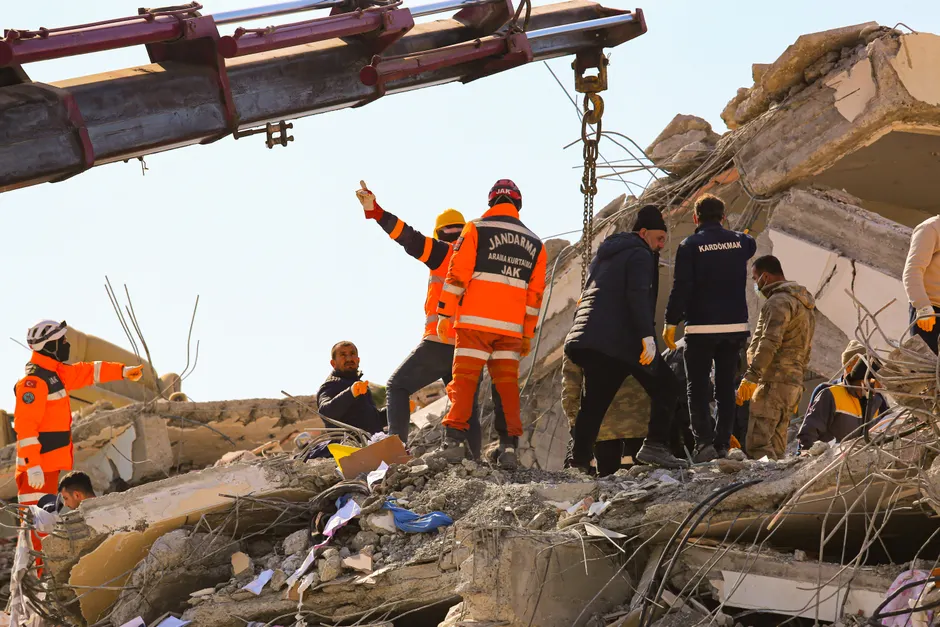
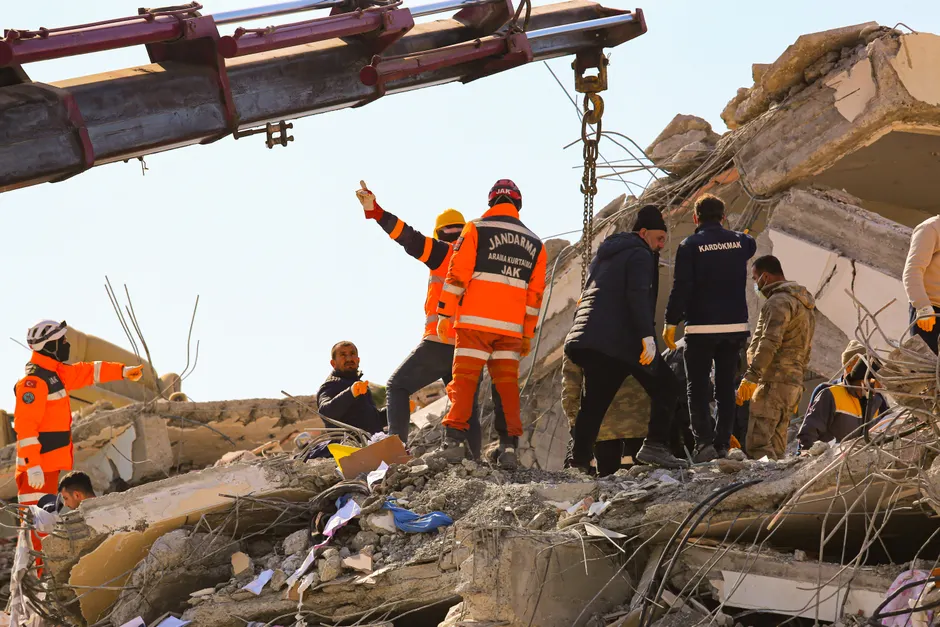
Rescuers searched Himalayan valleys and hillsides on August 27 after the devastating flood. The Australian government's Smartraveller advisory reported flash flooding and mudslides in both Nepal and China as of August 27. Reuters, DFAT Smartraveller
The high concentration of Australian nationals in the affected zone reflects the popularity of the Mount Kailash pilgrimage route, which draws devotees across the Himalayan corridor during the summer window. The casualty figures have escalated rapidly over a 48-hour period, complicating consular and rescue efforts in terrain where communication infrastructure is sparse and landslides have severed access routes. Tour operators like Himalayan Glacier Adventures face the operational reality of coordinating ground and aerial reconnaissance in a region where rapid geological events outpace emergency response capacity.
The broader context here is that the Himalayas sit on geologically unstable ground, where warming temperatures have increased the frequency of ice and rock avalanches that can turn mountain rivers into destructive torrents within minutes. The remote, high-altitude nature of pilgrimage routes like the one to Mount Kailash means that when disaster strikes, rescue logistics are stretched thin. Consular teams must work across two countries — Nepal and China, which controls Tibet — with different bureaucracies, border controls, and information-sharing protocols, all while families wait for news that grows grimmer by the hour.