Australia's Electricity Grid at Risk: How Electrification, Extreme Weather, and Housing Slowdowns Are Converging
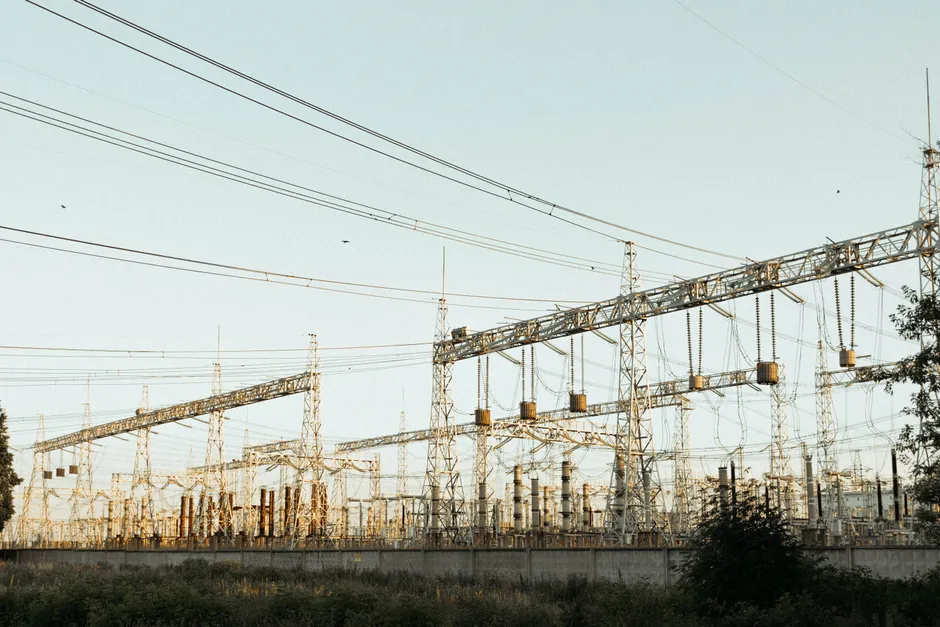
Australia's power distribution network is facing mounting pressure from three directions at once: the shift to electric heating and vehicles, fiercer heat waves and bushfires, and a slowing housing market. These pressures are colliding in ways that regulators and grid operators have not yet fully coordinated, and the infrastructure underneath Australian cities—much of it decades old—may not be ready.
The Grid Beneath the Cities
Think of Australia's electricity distribution system as a vast nervous system. In New South Wales alone, Integral Energy manages 25,000 transmission, zone, and distribution substations, 370,000 power poles, and 150,000 streetlights. The zone substations are the critical middle layer—they receive high-voltage power from major transmission lines (66 kV) and step it down for neighborhoods and towns. Each one is a single point of failure. If one substations fails, thousands of households and businesses lose power.
What makes this infrastructure vulnerable now is that it was designed for a different world. Electricity used to power lights, fridges, and air conditioners. It did not power heating systems, stoves, and car chargers all at once.
Victoria made this shift official in 2024 by banning natural gas connections to new homes—a legislative move tied to cutting emissions. NSW has not taken the same step, but across the national grid, the direction is unmistakable: residential electrification is not a future scenario but policy happening now. Heat pumps for space heating, induction cooktops, and electric vehicle chargers are moving from niche to mainstream, and the grid is not growing at the same pace.
When Demand Spikes and Infrastructure Fails
The danger is not abstract. During a heat wave in January 2018, more than 10,000 homes in Victoria lost power as surging demand overwhelmed local capacity. That happened before electrification accelerated. The safety margin is tighter now.
Bushfires add another layer of risk. NSW has a dedicated fire protection standards for substations, including a Fire Risk Evaluation Model introduced in 2021. The model reflects growing concern about fires inside high-voltage equipment. But the threat cuts both ways: when bushfires spread through suburbs, they can destroy power lines and substations just as easily as those failing systems can ignite fires nearby.
In December 2025, that risk became real. A fast-moving fire on NSW's Central Coast destroyed 16 homes over a single weekend as part of a broader bushfire event that killed at least one firefighter. Distribution infrastructure in fire corridors now faces repeated exposure as the fire season lengthens and moves into suburbs that were once considered lower-risk.
The Housing Wildcard
A third variable complicates the picture: Australia's housing market is softening. CoreLogic recorded monthly house price falls of 1.6% in July and 1.3% in June—consecutive declines that suggest a construction slowdown ahead. On the surface, fewer new homes means less immediate pressure to expand the grid. But slower construction also means fewer new, all-electric buildings entering the market—homes built from the start for higher electrical demand. That slows the gradual modernization that would otherwise ease the load on aging urban infrastructure.
The connection between housing economics and grid planning is poorly understood in public debate. Network operators plan capacity upgrades based on forecasts of rising demand. When construction delays push that demand growth to later years, investment timelines shift. Meanwhile, the existing grid—much of it built in the mid-20th century in Australia's major cities—operates closer to its design limits for longer than engineers prefer.
What Comes Next
The picture is not one of imminent blackouts. Australia's grid operators have navigated heat events, policy transitions, and natural disasters before. But the combination of electrification mandates, more frequent extreme weather, bushfire exposure, and housing-market uncertainty is unusual. Victoria's gas ban and NSW's substation fire standards each address one pressure. Whether they add up to a coordinated response to all of them—and whether distribution companies, AEMO (the National Electricity Market operator), and state energy ministers are aligned on solutions—will take years to work out and is an open question.


