Turkish and Somali Forces Rescue Hijacked Cargo Ship Off Somalia's Coast
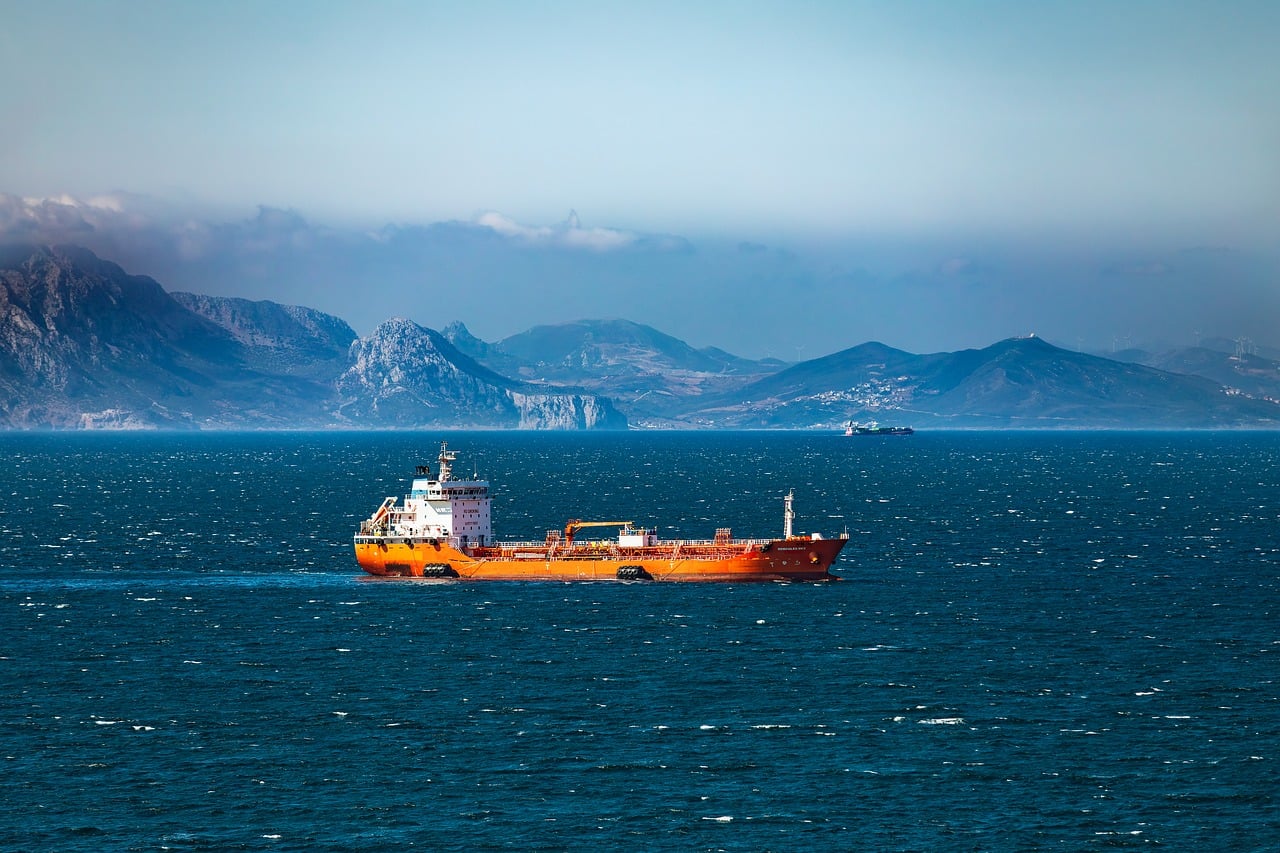
Turkish and Somali forces have freed the MV Latuf, a Cameroon-flagged cargo vessel held by pirates for ten days off the coast of Somalia's Puntland state, in a joint operation that killed 14 pirates and destroyed four pirate boats.
The Somali Ministry of Defence announced the outcome in a statement on X on Saturday, August 30. The operation was conducted jointly by the Turkish Navy and the Somali National Armed Forces (SNAF) under a bilateral defence cooperation agreement between Mogadishu and Ankara aimed at strengthening maritime security, protecting Somalia's coastline, and combating piracy (Al Jazeera).
The MV Latuf departed the Turkish Port of Tekirdag in late July and was hijacked on August 17 in waters off the Nugal region of Puntland. The vessel was carrying Turkish weapons at the time it was seized, according to an earlier report from August 20 (ABC News). After being freed, the ship continued its voyage to its reported destination of Dar es Salaam, Tanzania, according to tracking data from Marine Traffic.
Local elder Abdullahi Warsame, from the Jiifle community in the Godob Jiraan district of Puntland's Nugal region, confirmed to the Associated Press that the vessel and its crew had been freed. The Associated Press identified the vessel as the MV LUTUF, describing it as a Turkish vessel hijacked off the Somali coast (AP News; teleSUR English; Deutsche Welle).
The successful rescue comes amid a sharp resurgence of piracy off the Somali coast. According to International Maritime Organization figures, at least 15 attacks have been recorded this year, the highest number since 2013. At least five cargo ships have been held hostage off Somalia in recent months. The last known seizure before the MV Latuf's liberation occurred on August 20, when a vessel was taken off the coast of Yemen.
The broader context here is the increasing strain on the Western Indian Ocean's maritime security architecture — the network of naval patrols, armed guards, and shipping regulations that keeps trade routes safe. Somali piracy had been largely suppressed after the peak years of 2008–2012, when a combination of multinational naval patrols, armed guards on commercial vessels, and improved shipboard security protocols drove incident numbers down. The current resurgence suggests that the conditions enabling piracy, including onshore governance gaps in Puntland and the broader fragmentation of Somali state authority, have not been structurally addressed. In other words, the patrols chased the pirates away, but the root causes on land, like weak local government and few economic alternatives for coastal communities, were never fixed.
The Turkish-Somali defence cooperation framework that enabled the MV Latuf operation is itself a relatively recent instrument. Ankara has deepened its security footprint in the Horn of Africa over the past several years, providing military training to Somali forces and signing agreements that grant Turkey an operational role in Somali maritime defence. The joint rescue of a vessel carrying Turkish weapons adds a layer of direct national interest to what might otherwise be framed as a routine anti-piracy engagement. The fact that Turkish naval assets were positioned to conduct a sustained ten-day operation off Puntland signals a forward-deployed posture — meaning Turkey has warships stationed in the region, not just advisers at headquarters — that goes beyond training and advisory roles.
Several questions remain unresolved by the available reporting. The number of crew members aboard the MV Latuf has not been disclosed. Casualties among the crew or rescue forces have not been reported. The fate of any surviving pirates is unclear. The Somali Ministry of Defence's statement specified 14 pirates killed and four boats destroyed but did not address arrests or surrenders.
The weapons cargo aboard the MV Latuf raises additional questions about the vessel's charter, the intended recipient in Dar es Salaam, and the security protocols governing Turkish arms shipments through one of the world's most persistently dangerous maritime corridors. None of these details have been confirmed in the available reporting.
What is clear is that the operation's tactical success, the killing of 14 pirates and recovery of the vessel without reported crew casualties, shows that the Turkish-Somali framework can produce operational results. Whether it can meaningfully suppress the broader resurgence is a separate question. Fifteen attacks this year, five vessels held hostage, and a piracy season that has not yet ended suggest that the structural drivers remain intact. The MV Latuf was freed. The conditions that led to its seizure have not.