Nepal Flash Floods: Death Toll Climbs Past 600 as Rescue Operations Intensify
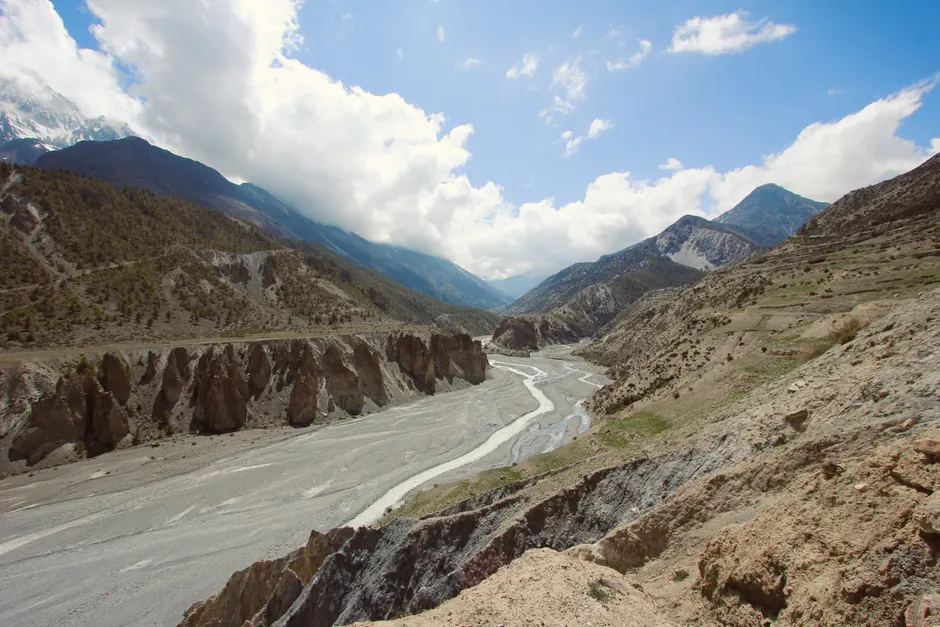
Nepal Police confirmed that the death toll from the devastating flash floods that struck Nepal on August 26, 2026, had risen to 616 as of early Saturday morning local time, according to a statement reported by The New York Times (The New York Times). The disaster, centered at Trishuli in Nuwakot district, has triggered a large multi-agency rescue operation across the country's central and northern regions (Reuters).
The scale of the catastrophe has escalated rapidly over the course of the week. On August 28, Nepal's National Disaster Risk Reduction and Management Authority (NDRRMA) reported that 538 people had died from the floods that struck Wednesday (Yakima Herald). Prior to that NDRRMA figure, an Al Jazeera report published August 28 had placed the death toll at more than 580, with over 2,400 people reported missing (Al Jazeera).
Authorities had rescued more than 114 people from the flood zones, with survivors receiving medical treatment at hospitals in Kathmandu and Rasuwa (Reuters). A survivor was airlifted from Trishuli on August 27, 2026, as military and civilian rescue teams converged on the area (Reuters).
New York Times reporters Anupreeta Das and Atul Loke visited the Nepal Army's search-and-rescue base in Dhunche and flew aboard an army aircraft during coverage of the Nepal and Tibet flash floods (The New York Times). In a subsequent dispatch dated August 29, Das and Sajal Pradhan, reporting from Bidur alongside Binod Ghimire in Kathmandu, detailed the ongoing rescue efforts focused on flood-damaged hydropower tunnels and the search for missing workers (The New York Times).
Das and Pradhan had previously visited an army rescue center on August 28, speaking with flood survivors in Bidur and Devighat (The New York Times). The reporting from the ground has tracked the operational shift from immediate evacuation to prolonged recovery and infrastructure assessment.
The impact of the flood wave extended beyond Nepal's borders. Chinese state media reported that there was no sign of survivors at a border crossing engulfed by the flood water (CNN).
The broader context here involves a disaster chain that links mountain hydrology, cross-border river systems, and critical energy infrastructure. The focus on hydropower tunnels in the latest reporting from Nuwakot indicates that the flood's destructive path struck directly at Nepal's core power generation assets. Hydropower tunnels are underground passages that carry water to turbines; when floodwaters surge into them, the water can linger long after surface levels recede, trapping workers and slowing military divers. The location of the event at Trishuli places it squarely within a river basin that feeds major hydropower projects, making the industrial and human cost intertwined.
The involvement of the Nepal Army's aviation wing, operating from Dhunche in Rasuwa district, points to the logistical difficulty of the response. Dhunche sits in rugged terrain north of Kathmandu, serving as a forward operating base for helicopter access to the upper Trishuli watershed. The military's role in airlifting survivors from Trishuli to hospitals in Kathmandu and Rasuwa shows how dependent the operation is on aviation when floods and landslides wash out ground routes.
The rapid evolution of the death toll figures, from NDRRMA's 538 to the police statement of 616, reflects the standard friction of disaster accounting in difficult terrain. The earlier Al Jazeera figure of over 2,400 missing provides a sense of the upper bound of those unaccounted for, a number that typically decreases as stranded individuals reach communication networks or are located at rescue centers. The reports from Bidur and Devighat, where survivors gathered at army facilities, indicate that the internal displacement pattern is following predictable corridors away from the most devastated river zones.
Cross-border dynamics add another layer of complexity. The flooding affected Nepal and Tibet, with the flood wave striking a border crossing that Chinese state media has described as devoid of survivor activity. This transboundary impact means that the disaster's water flow originated in or traversed terrain monitored by both Nepali and Chinese authorities, raising questions about early warning systems and water release protocols along shared river systems.
Looking at what this means for immediate recovery, the operational focus has narrowed to two parallel tracks. The first is the extraction of any remaining survivors and the recovery of the deceased from residential and industrial sites along the Trishuli. The second is the structural assessment of the hydropower tunnels, a process that will determine the timeline for restoring power generation capacity to the national grid. The presence of missing workers within these tunnels, as reported by The New York Times on August 29, indicates that the rescue phase remains active, even as the death toll passes 600.


