Deadly Flash Flood on the Nepal-Tibet Border: What Happened and Why It Matters

A flash flood along the Nepal-Tibet Himalayan border on Wednesday killed at least 160 people, with hundreds still missing. The Guardian
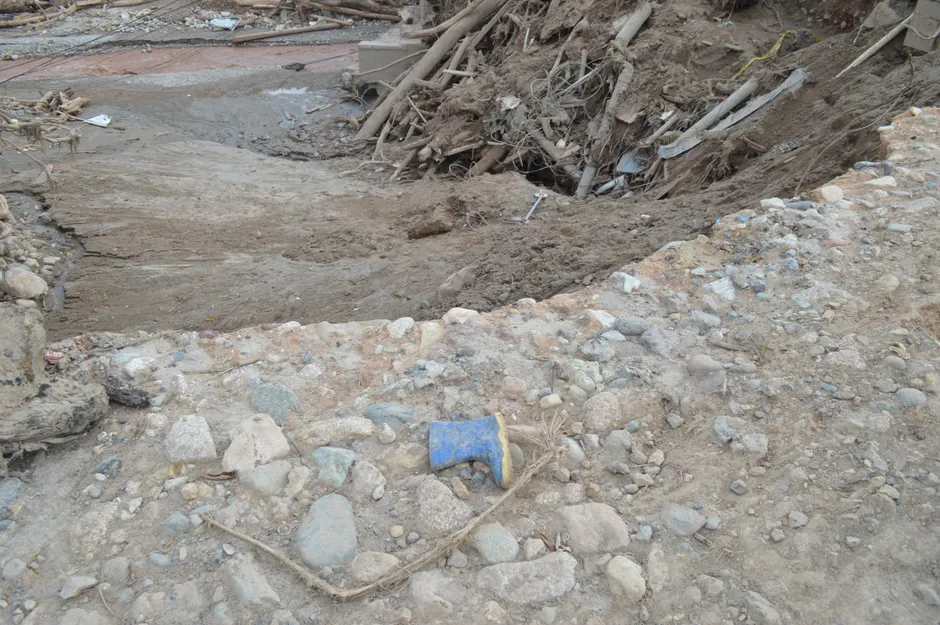
A large mass of mud and rock collapsed into a river on the Himalayan border, sweeping away houses, roads, and border crossings. Surveillance video from the Chinese side captured the debris crashing over a multi-storey building and carrying off buses and cars. Nepali police reported 157 bodies recovered from the flood, with three killed on the Tibet side. Chinese state media reported three dead and 265 missing from a mudslide at the Gyirong county border crossing. The Guardian
The missing persons caseload is large, complex, and spans many nationalities. Nepal's tourism ministry reported 403 tourists unaccounted for, 341 of them foreigners. The missing foreign tourists include 142 Indians, 47 from the US, 34 from Australia, 33 from the UK, and 24 from Canada, along with others from South Korea, the Netherlands, Malaysia, Portugal, and South Africa. South Korea's foreign ministry confirmed nine South Koreans missing. At least 28 Nepal police officials were also missing. The Guardian
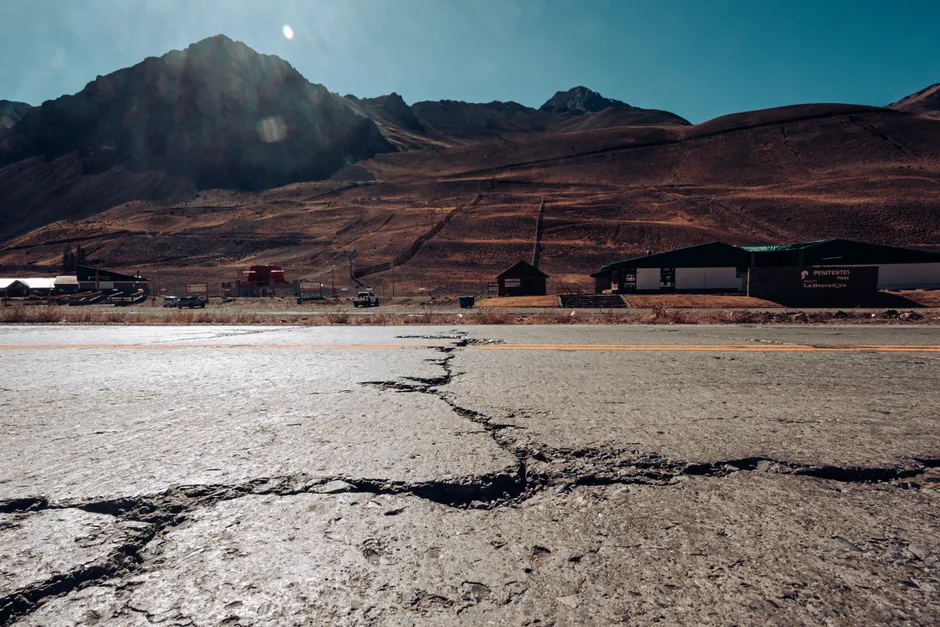
Nepali officials initially suggested an earthquake may have triggered the flood. Foreign Minister Shishir Khanal said an earthquake likely triggered a landslide that blocked the river, sending water surging downstream, though the cause was not immediately clear. The USGS later determined that the recorded tremor was actually caused by glacial rock and ice collapsing to the valley floor — in other words, the ground shook as a result of the collapse, not because of a separate tectonic event. Experts had earlier warned the flood may have been triggered when the lower part of a glacier broke off and crashed. The Guardian Reuters
The mudslide slammed into Gyirong port in Tibet and into Nepal, creating high-speed flash floods that destroyed entire roads and power infrastructure. Reuters The flood also struck Trishuli in Nepal, leaving mud covering properties there. Reuters
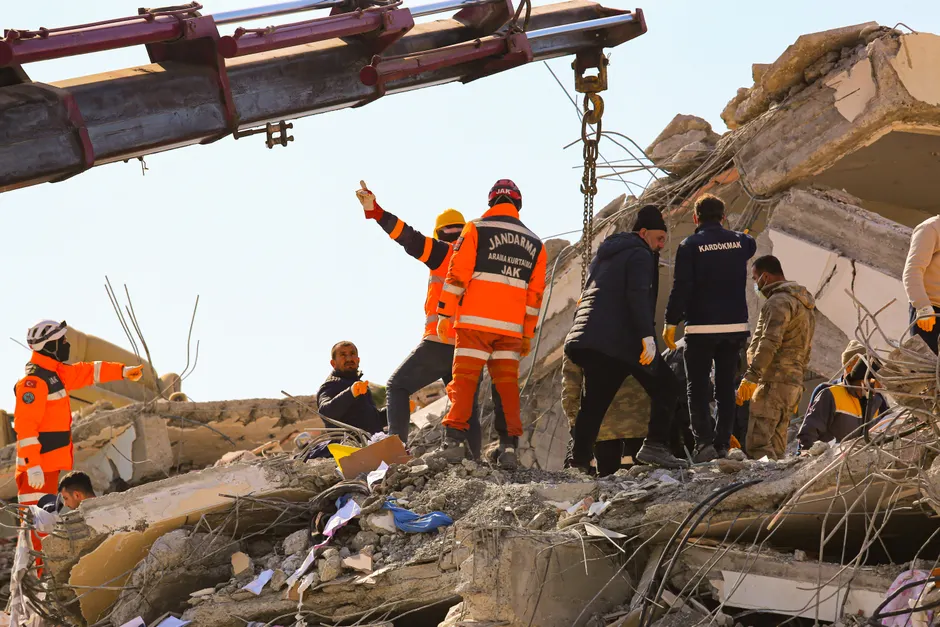
Tibet government officials mobilised nearly 800 emergency workers and 150 vehicles, along with sniffer dogs and speed boats, for rescue efforts, according to Xinhua. The International Federation of Red Cross and Red Crescent Societies said entire villages and markets were wiped out and began dispatching blankets, first aid kits, stretchers, and body bags. UN Secretary-General António Guterres said UN teams and partners were mobilising supplies and personnel in Nepal to support affected communities. The Guardian
Experts warned that a lingering blockage upstream on the Nepal-China border river could produce a second flood. The Guardian
The broader context here is the meeting point of high-altitude geology and cross-border disaster response. A glacial collapse sending a mass of debris across a politically sensitive border tests the crisis coordination between Kathmandu and Beijing. The large number of foreign nationals among the missing adds diplomatic pressure, drawing consular attention from a dozen governments across multiple continents.
The USGS clarification that the tremor was a seismic result of the collapse, not an independent earthquake, is technically significant. It means the causal chain is purely cryospheric — that is, related to ice and frozen ground — and geomorphic, shaped by surface landforms, rather than tectonic, driven by movement in Earth's crust. This distinction matters for how upstream risk is modeled. A lingering river blockage raising the prospect of a secondary flood suggests the event is not yet a closed disaster but an ongoing hazard. Emergency responders on both sides of the border are operating against the clock not only to locate survivors but to assess upstream stability before any further mass movement occurs.