Gyirong Port Disaster: 261 Foreign Nationals Missing After Himalayan Flash Flood
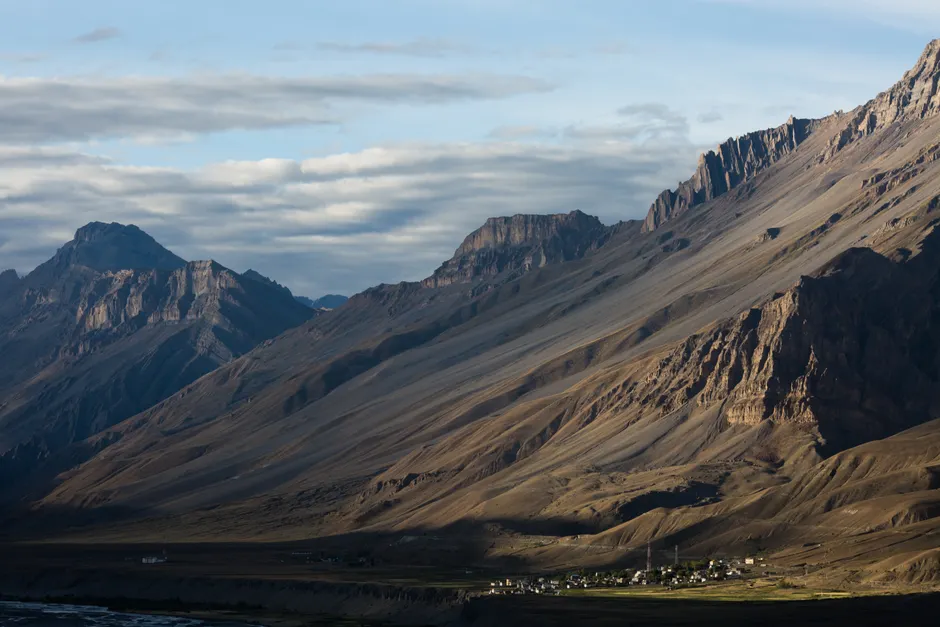
Chinese authorities confirmed on August 30, 2026, that 261 foreign nationals from 23 countries remain missing after a devastating flash flood and mudslide struck Gyirong Port on the China-Nepal border. Forty-nine Indian citizens are among those unaccounted for, according to Indian media reports citing Chinese government figures. A flash flood is a sudden, violent surge of water triggered by heavy rainfall or rapid snowmelt, often with little warning. When it hits mountainous terrain, it can loosen massive amounts of earth and rock, sending a mudslide cascading through valleys at high speed.
Premier Li Qiang arrived at Gyirong Port on August 27 to oversee rescue operations directly. His presence at the remote frontier crossing reflects both the operational complexity and the diplomatic sensitivity of the crisis. Gyirong Port is a primary land route between the Tibet Autonomous Region and Nepal, handling significant passenger traffic and overland trade. When the flash floods tore through the region, the infrastructure supporting this transit hub was immediately overwhelmed, leaving hundreds of foreign tourists, traders, and travelers stranded or swept away.
The casualty figures have shifted as authorities on both sides of the border conduct surveys. Chinese officials reported 16 deaths in Tibet connected to the mudslide. Earlier reporting from Chinese state broadcaster CCTV placed the total number of missing individuals in Tibet's Gyirong County at 558, a figure that included 260 foreign nationals at the time. The updated count released on August 30 raised the number of missing foreigners to 261, with their specific nationalities now formally identified by Chinese authorities.
The scale of the disaster extends well into Nepalese territory, complicating rescue and recovery efforts. Reuters reported that the death toll in Nepal floods rose above 350. The agency also noted that approximately 800 foreign tourists were among the hundreds of people missing in the broader region. Nepal's tourism ministry provided a separate accounting to media outlets, stating that over 400 tourists were missing following the flood, of whom around 340 were foreigners.
The broader context here involves the convergence of monsoon-driven weather extremes and the geographic realities of a heavily trafficked, high-altitude border. Gyirong Port sits in a valley system prone to rapid water accumulation. A sudden mudslide in this terrain carries immense destructive force, capable of burying vehicles, infrastructure, and individuals under dense debris. For the missing foreign nationals, the narrow window for survival in a harsh environment narrows further with each passing day, making the speed of Chinese and Nepalese search-and-rescue deployments the critical variable in mitigating the final toll.
Diplomatic and consular coordination will be a central challenge in the coming days. With 23 countries represented among the missing, including a substantial contingent of 49 Indians, consular access (the right of a country's diplomats to assist and check on its citizens abroad), identification protocols, and the eventual repatriation of remains will require meticulous bilateral and multilateral management. The disaster tests the existing cross-border emergency response mechanisms between China and Nepal, two nations with distinct administrative and legal frameworks governing their frontier regions.
Recovery operations at Gyirong Port and the surrounding Nepalese districts face severe logistical constraints. Road washouts and unstable terrain limit ground access, forcing rescuers to rely on aerial reconnaissance and specialized mountain rescue teams. The flash flood has effectively severed a vital overland artery, disrupting not only the lives of the missing tourists but also the local economies that depend on cross-border transit. How quickly Beijing and Kathmandu can restore basic access to the affected zones will determine both the humanitarian outcome and the resilience of this critical Himalayan supply route.