Pacific Islands Forum Leaders Meeting Opens Without Key Leaders, Weakening Climate and Security Agenda
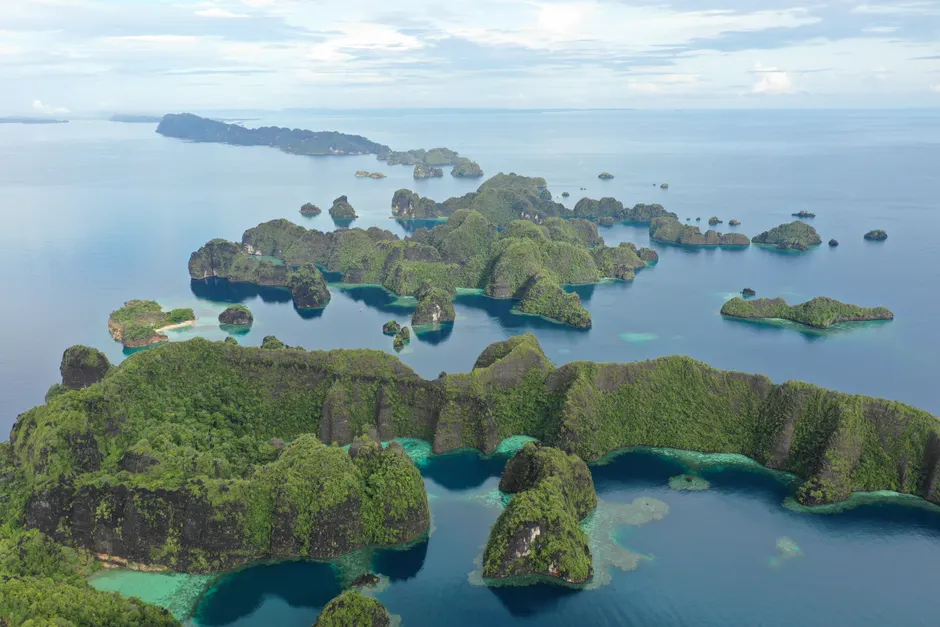
The 55th Pacific Islands Forum Leaders Meeting opened in Koror, Palau, on 30 August 2026 without several of the region's most prominent leaders, threatening to undercut an agenda that had been expected to advance Pacific climate resilience priorities ahead of COP31.
Solomon Islands Prime Minister Matthew Wale returned home before the leaders' meeting to face a no-confidence motion — a parliamentary challenge that, if successful, would remove him from office — filed by Home Affairs Minister Manasseh Maelanga on a Saturday. Maelanga accused Wale of repeatedly making decisions on matters of national importance without proper consultation with, or approval of, cabinet. The motion is the first no-confidence challenge of Wale's premiership. It follows a historic motion on 7 May 2026 that removed Jeremiah Manele from the office of Solomon Islands prime minister, pointing to the volatility of domestic politics in Honiara less than four months into Wale's tenure.
Wale's absence carries particular weight because of his role as Chair of the Pacific Islands Forum, the region's main intergovernmental body. A February statement from Wale's office said the Palau meeting would be "a pivotal moment for the region to consolidate its position and align partnership expectations." Instead, the chair is now absent from the room where that consolidation was to occur.
Fiji's Prime Minister Sitiveni Rabuka and Vanuatu's Prime Minister Jotham Napat will also not attend. Samoan leader La'auli Leuatea Schmidt is another notable absence from the meeting, which runs through 4 September.
Australian Prime Minister Anthony Albanese confirmed he will still attend. His participation comes with significant bilateral movement: Australia signed a security deal with Fiji, elevating the bilateral relationship to a formal alliance as Canberra seeks to curb Chinese influence in the region. Australia has also been in negotiations with Solomon Islands on a security treaty, with hopes that further talks could take place on the sidelines of the summit — a prospect complicated by Wale's departure and the political uncertainty surrounding his government.
Speaking at the Queensland Labor conference in Brisbane on Sunday, Albanese said Australia had a duty to help Pacific nations thrive. He said the "big challenges" facing the Pacific "require solutions designed and delivered for the Pacific, by the Pacific."
Oliver Nobetau, the Lowy Institute's Pacific Islands program director, said the pulling out of key leaders "dulls the flame" of the Forum meeting. There had been high expectations that the leaders' meeting could progress pilot projects around Pacific climate resilience, and Nobetau said it was important ahead of the COP31 climate summit, where a pre-leaders summit will be held in Tuvalu in October.
Nobetau also offered an assessment that connects the absences to the broader regional dynamic: the leaders not showing up, he said, could be read as those nations prioritising bilateral agreements with nations including Australia above region-wide commitments.
The broader context here is a Pacific Islands Forum convening amid a collision of domestic political crises and an intensifying great-power contest for security partnerships across the region. The Solomon Islands chairmanship, assumed after the May 2026 removal of Manele, was meant to provide continuity through a delicate period. Wale's no-confidence motion disrupts that on two levels simultaneously: it removes the Forum's chair from the room, and it injects fresh uncertainty into Australia's bilateral security treaty negotiations with Honiara, which had been expected to benefit from sideline diplomacy at the summit.
The Fiji alliance and the Solomon Islands treaty talks point to the same strategic logic Canberra has pursued across the Pacific: a web of bilateral security arrangements that, taken together, constitute a counter to Chinese engagement in the region. The question Nobetau raises is whether this bilateral momentum is hollowing out the multilateral Forum itself. When leaders skip the region's preeminent collective gathering but engage in one-on-one security negotiations with Australia, the signal is that bilateral channels are where the binding commitments are being made.
The climate agenda compounds the stakes. With COP31 — the annual UN climate conference — looming and a pre-leaders summit scheduled for Tuvalu in October, the Palau meeting was positioned as a preparatory step for Pacific nations to align their climate resilience priorities collectively. Pilot projects on climate resilience, now at risk of delay, were the concrete deliverable. Absent leaders from Solomon Islands, Fiji, Vanuatu, and Samoa, the Forum's ability to present a unified negotiating posture before COP31 is diminished.
The meeting continues through 4 September, with remaining leaders and ministerial delegations expected to proceed with the agenda. Whether the communique and outcomes can recover the diplomatic weight intended for the chair's "pivotal moment" will depend on how much substantive work ministerial-level representatives can carry in the absence of their principals.


