Australia Warns of Hazardous Summer as Pacific Leaders Hold Climate Line Before COP31

Australia faces a hazardous summer of floods, cyclones and extreme heat, Prime Minister Anthony Albanese warned alongside other national leaders at a climate summit in Fiji. The meeting was preparation for the year-ending COP31 UN climate summit, according to remarks reported 6 October 2026. The Guardian
Albanese linked the outlook to climate change and a rising "super El Niño," an unusually strong warming of Pacific waters that can shift rainfall and heat patterns. He said the forecast of a super El Niño may test all countries. He presented domestic risk and regional risk as the same problem.
He placed that risk in a Pacific frame. He said sea levels in the western Pacific are rising at more than twice the global average. He said the world could not afford to let the goal of limiting global heating to 1.5C, the internationally agreed limit meant to avoid the worst damage, "just slip from our grasp."
Fijian Prime Minister Sitiveni Rabuka spoke on the same platform. He said the agreement by all countries in Dubai at the Cop28 summit in 2023 to transition away from fossil fuels is not open for renegotiation.
Albanese was scheduled to travel to Fiji and Tuvalu from 5 to 7 October 2026 for the Pre-COP Leaders' event. Prime Minister's Office Fiji was set to host the Pre-COP preparatory meeting and Tuvalu was set to host a Leaders' event from 5 to 8 October 2026 in partnership with Australia.
About 4,000 people joined Albanese in Fiji for the preparatory meeting ahead of COP31. Just two non-Pacific leaders accepted Australia's invitation to the pre-COP climate summit in Fiji. The Guardian A UN report warned the world is likely to overshoot warming of 1.5C. ABC
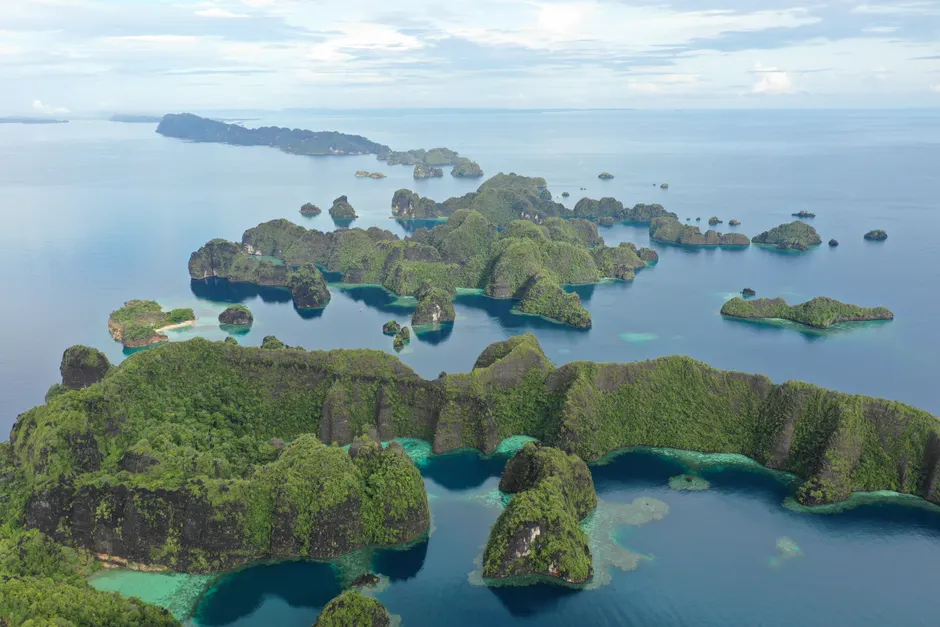
Tuvalu comprises three reef islands and six atolls, is home to about 10,000 people, and is mostly less than 2 metres above sea level.
The broader context here is diplomatic sequencing rather than new science. Pacific leaders are using the pre-COP to lock in how existing promises are read before the formal COP31 agenda takes shape. Rabuka's wording tries to keep the Dubai language off the table. Albanese's focus on sea-level rates, extreme heat and the 1.5C limit lines up Canberra with that position while speaking to Australians facing disaster costs.
Looking at what this means for the negotiations, two tensions will shape the next weeks. One is credibility. The pre-COP drew a large technical turnout but few leaders from outside the region, which puts weight on who carries the Pacific position into COP31 itself. The other is adaptation finance and loss-and-damage language, where low-lying states judge promises against flood and displacement risk. The super El Niño forecast packs long-term warming into one season of floods, cyclones and heat.