Passenger Catamaran Capsizes Off Northern Cyprus: What We Know and Why It Matters

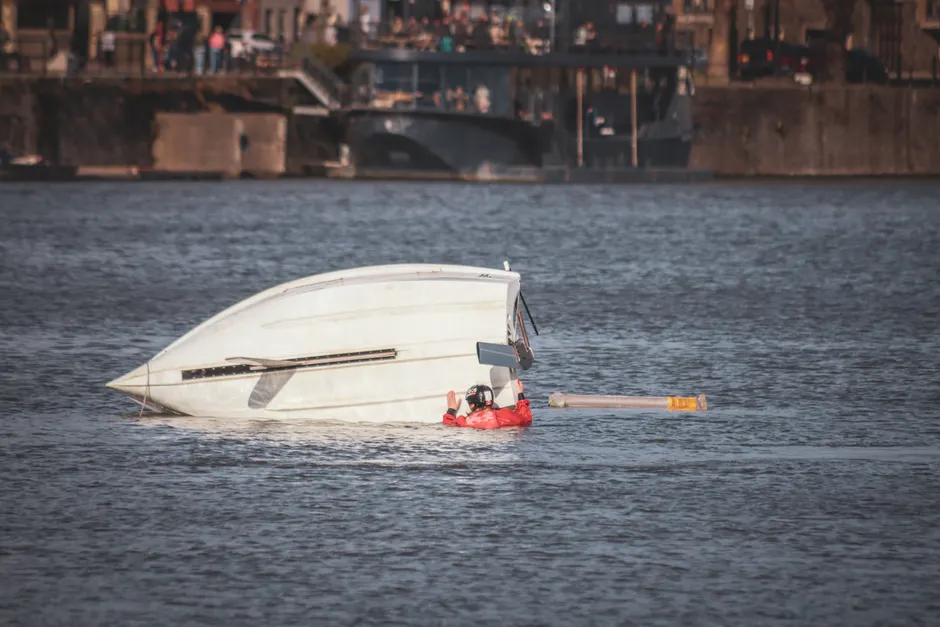
A passenger catamaran capsized roughly four nautical miles off the coast of northern Cyprus on August 30, 2026, triggering a large-scale search and rescue operation in the waters near Kyrenia. The vessel, identified by Kibris Postasi as a catamaran-type passenger ship operated by Filo Gemicilik (Filo Denizcilik), had departed from Girne Port in the Turkish Republic of Northern Cyprus before taking on water and overturning (Kibris Postasi).
Anadolu Agency confirmed that rescue efforts were launched after the ferry, which left Girne (Kyrenia) Port, capsized (Anadolu Agency). The incident occurred in open waters roughly four nautical miles from shore, according to the BBC (BBC).
The number of people on board remains subject to reporting variations. Kibris Postasi reported 279 individuals aboard — 259 passengers and 8 crew members — while the BBC cited approximately 270 people on board. The discrepancy has not been reconciled in publicly available reporting as of publication.
Murat Senkul, mayor of the coastal town of Kyrenia, told CNN Turk that 159 of those aboard had been reached by rescue teams. Senkul described the situation as "very serious," emphasizing the urgency of the ongoing operation (BBC). No further details on the condition of those recovered have been reported in the available sources.
Why the Vessel's Design Matters
The vessel's catamaran design is relevant to understanding how the capsizing unfolded. Catamarans feature a twin-hull configuration — two parallel hulls connected by a deck — and are generally valued for stability in passenger service. But when a catamaran takes on water in one hull, the resulting asymmetrical buoyancy loss can cause the vessel to overturn rapidly. Think of it like a seesaw: if one side suddenly loses its support, the whole structure tips. This is a well-documented failure mode for multi-hull vessels, and the reported sequence — taking on water, then capsizing — fits that pattern. What caused the water ingress, whether structural, operational, or related to sea conditions, has not yet been reported.
The Jurisdictional Backdrop
The broader context here is the maritime jurisdictional complexity surrounding northern Cyprus. The Turkish Republic of Northern Cyprus (TRNC) is recognized only by Turkey, and its ports and waters operate outside the framework of the Republic of Cyprus's internationally recognized maritime administration. Any major maritime incident in these waters triggers a TRNC-led response, with Turkey's coast guard and naval assets frequently playing a supporting or lead role given the close institutional ties between Ankara and the TRNC. The involvement of Anadolu Agency, Turkey's state-run wire, in reporting the incident reflects that informational pipeline.
Girne Port, also known as Kyrenia, is one of the primary passenger ferry hubs in northern Cyprus, handling regular traffic to and from Turkey's southern coast. Passenger vessels on this route typically operate over relatively short distances across the eastern Mediterranean, but open-water conditions can deteriorate quickly. Vessels carrying 250 or more passengers operate under significant load factors — meaning the ratio of passengers to vessel capacity is high — leaving little margin for error in flooding scenarios.
Key Questions Ahead
The operational questions that will matter in the coming days are several. First, the gap between the number reached (159, per Senkul's account) and the total reported on board (270 to 279, depending on the source) means that well over 100 people remain unaccounted for in the rescue operation's current phase. Time is a critical variable in open-water search and rescue, particularly when those in the water may lack survival suits or flotation equipment suited to extended exposure.
Second, the TRNC's maritime safety oversight regime will face scrutiny regarding vessel inspection, load compliance, and crew preparedness, particularly if the catamaran was operating at or near capacity. Third, the passenger manifest itself — who was aboard and under what ticketing or charter arrangements — will be central to casualty accounting and any subsequent investigation.
The identity of the operator, Filo Gemicilik (also rendered as Filo Denizcilik), has been reported, but the company's regulatory standing, inspection history, and operational record in TRNC waters are not available in the current reporting. These will be material to any formal inquiry.
Search and rescue operations were continuing at the time of reporting.