Ben Roberts-Smith Granted Court Permission to Attend War Memorial Opening, but Not Retirement Parade
Ben Roberts-Smith Granted Court Permission to Attend War Memorial Opening, but Not Retirement Parade
A court has allowed Ben Roberts-Smith to attend the opening of Anzac Hall at the Australian War Memorial on 23 June 2026, but rejected a separate request to attend a farewell parade for a retiring soldier, according to reporting on 16 June 2026 by The Guardian and the Australian Financial Review.
Roberts-Smith, a former Special Air Service Regiment corporal and Australia's most decorated living soldier when he received the Victoria Cross, faces criminal charges related to alleged war crimes committed in Afghanistan. He has denied all allegations. His bail conditions restrict his movements and require him to get court approval before attending public events — which is why he needed formal permission rather than simply showing up.
The court was told Roberts-Smith wanted variations to cover both the formal ceremony and the social gatherings surrounding the Anzac Hall opening, suggesting he sought more than a quick public appearance. That request was granted. His application to attend the march out parade of Henry Diddams — a ceremonial event marking a soldier's retirement — was refused, The Australian reported.
The court's split decision suggests the judge saw a meaningful difference between the two events. Anzac Hall is a major national institution; its opening carries weight that a single soldier's retirement ceremony does not. When courts assess bail variation requests, they weigh whether allowing the defendant to attend an event puts the public at risk or interferes with the legal process. The Anzac Hall opening passed that test. The retirement parade did not.
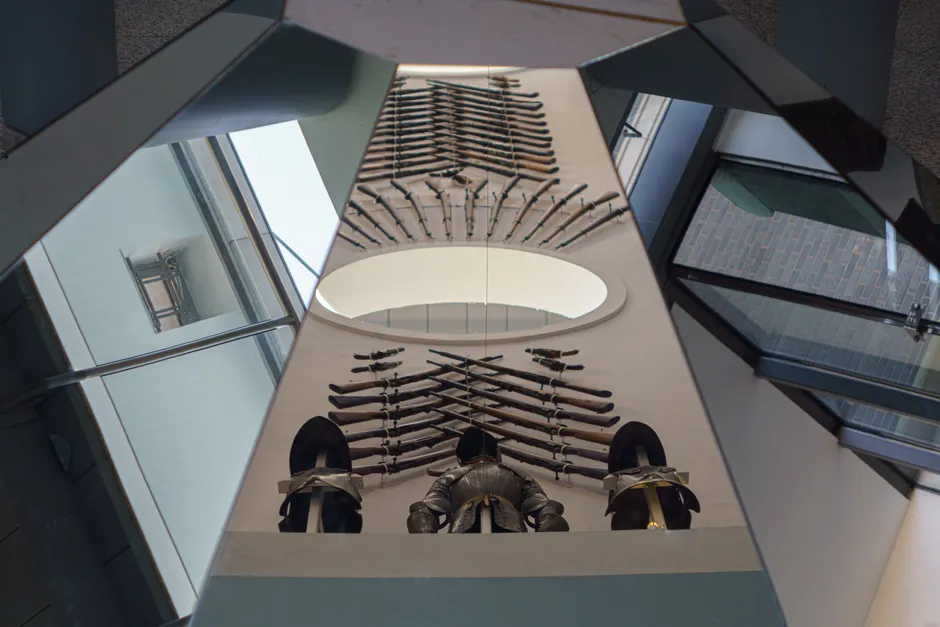
The Anzac Hall development carries its own significance. The original Anzac Hall at the Australian War Memorial was demolished in 2021 as part of a contentious $500-million expansion of the site. The new hall's reopening on 23 June will attract significant media attention and place Roberts-Smith in a high-profile national setting while his criminal case remains unresolved.
The broader context here shapes how observers are likely to read this decision. Bail variations for specific events are routine in the legal system — defendants regularly request permission to attend funerals, family occasions, or professional functions. What makes this case different is who the applicant is, where he is being permitted to go, and what remains unresolved: allegations that, in the context of Australia's post-Afghanistan military accountability efforts, are among the most serious ever brought against an Australian veteran. The court's legal reasoning may be straightforward, but those factors mean the decision will be scrutinized for what it signals about the case and the institution's handling of it.


