Iran Strikes U.S. Base in UAE, Opening a New Front in a Six-Month War
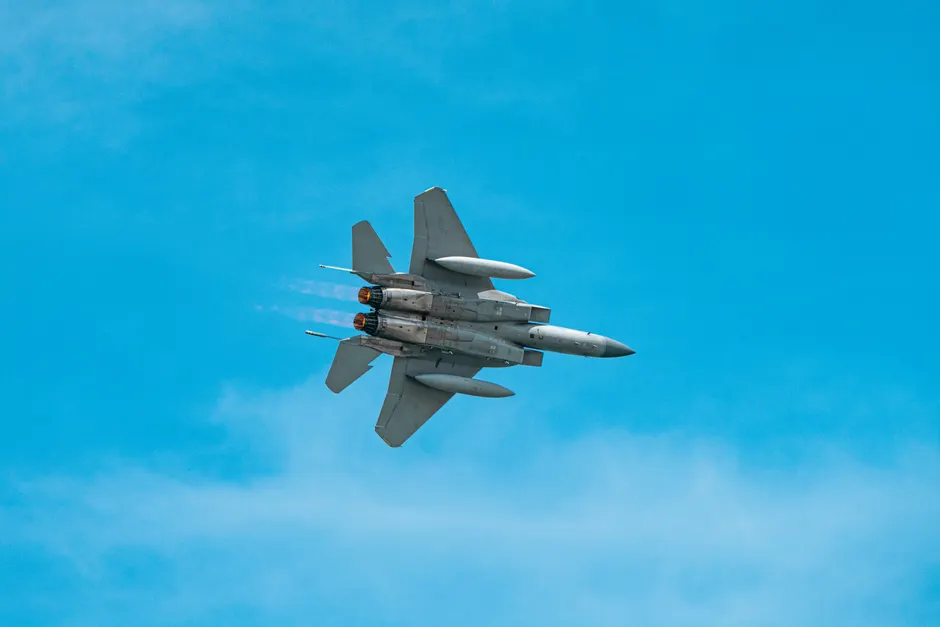
Iran's Army launched drone strikes against a U.S. air base in the United Arab Emirates on August 31, 2026, pushing the conflict beyond Iran's borders and into Gulf territory that has hosted American forces for decades. IRNA
The strikes came in response to a U.S. attack on Iran's Larak Island, a strategic landmass near the Strait of Hormuz — the narrow waterway through which roughly a fifth of the world's oil supply passes. Iran's Foreign Ministry condemned the Larak Island strike and said the Iranian Armed Forces targeted American military bases in retaliation. The ministry also said U.S. strikes killed several civilians and members of the Iranian Armed Forces. IRNA
Iranian President Masoud Pezeshkian said Iran will "respond decisively" to U.S. aggression. IRNA
The U.S.-Iran war, now six months old, has settled into what Reuters describes as a stalemate that could persist well into 2027. The conflict began on February 28, 2026, when, according to IRNA, the United States and Israel launched a war of aggression against Iran. Reuters
The American military campaign, conducted under U.S. Central Command (CENTCOM) and designated Operation Epic Fury, has consisted of sustained nightly bombing runs against Iranian military targets. Defense.gov CENTCOM forces completed their 13th consecutive night of strikes on Iranian military targets in 2026, with the tempo showing little sign of slackening. Defense.gov A July 11, 2026, CENTCOM press release announced that U.S. forces had hit approximately 140 Iranian military targets with precision munitions launched by land- and sea-based fighter aircraft and drones. CENTCOM
Earlier rounds followed a pattern of intensification. A July 8 CENTCOM statement reported more than 80 targets struck in its latest round. On July 30, the U.S. military completed a two-hour wave of strikes hitting dozens of targets. CENTCOM's public releases page lists additional strike announcements on July 21, July 22, July 28, and July 29, the latter targeting IRGC facilities — the Islamic Revolutionary Guard Corps, Iran's elite military branch — after what CENTCOM described as attempted Iranian attacks. Reuters Reuters
The campaign has also targeted Iran's nuclear infrastructure. On August 26, 2026, the U.S. strike on Iran's Fordow Fuel Enrichment Plant used 30,000-pound GBU-57 Massive Ordnance Penetrator bombs, munitions designed specifically to destroy deeply buried hardened targets. Defense.gov Secretary of Defense Pete Hegseth and Chairman of the Joint Chiefs of Staff Dan Caine had previously lauded the success of an overnight strike on three Iranian nuclear sites in June 2025. Defense.gov
Iran's retaliatory operations have extended beyond this latest drone strike on the UAE base. The IRGC targeted a U.S. base in retaliation for a strike on Arbaeen pilgrims, an operation that, according to IRNA, destroyed a specialized U.S. electronic warfare unit and caused multiple casualties. IRNA
The economic dimensions of the conflict are compounding. As of late August 2026, Iran's president reported that foreign trade was down 35 percent due to sanctions — economic penalties that restrict trade — and blockade, and Iran's supreme leader urged the government to address economic hardship. Reuters Gulf stock markets ended mixed on August 13 as investors weighed stalled efforts to end the war and the disruption to shipping through the Strait of Hormuz. Reuters
The broader context here is that Iran's decision to strike a U.S. facility on Emirati soil introduces a new geographic theater to a war that has, until now, been largely contained within Iranian territory and the Strait of Hormuz. The UAE hosts thousands of U.S. military personnel at installations like Al Dhafra Air Base, and any sustained Iranian targeting of these facilities would pressure Gulf states to reconsider basing arrangements or push for a ceasefire — a formal halt to fighting — that current military momentum does not favor. Whether the Larak Island strike and the UAE retaliation represent a one-off exchange or the opening of a sustained cross-border escalation will depend on the coming days' operational tempo from both sides.


