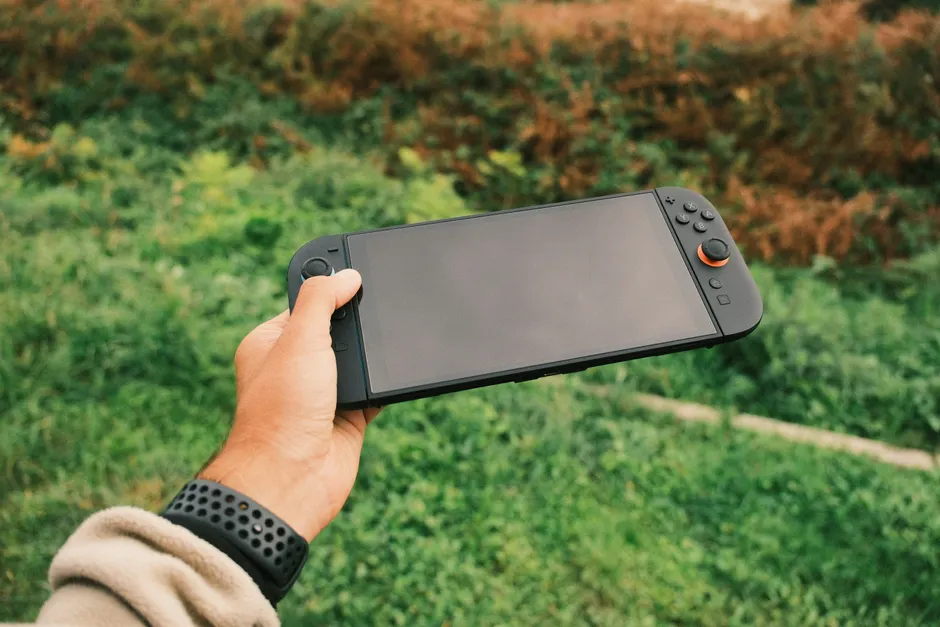
TCL's Nxtpaper P80 Ultra: An OLED Phone That Doubles as an E-Reader
TCL has launched the Nxtpaper P80 Ultra, the first smartphone to use the company's OLED-based Nxtpaper display technology. Previous Nxtpaper models relied on LCD panels — the same screen type found in most budget and mid-range phones. The P80 Ultra can switch between a full-color OLED experience and a low-power black-and-white mode designed to mimic the look of an e-reader like a Kindle. TCL first showed the OLED Nxtpaper technology at MWC (Mobile World Congress) in March 2026. The Verge
The display is a 6.83-inch OLED panel with 1.5K resolution, a 120Hz refresh rate (meaning the screen updates 120 times per second for smoother scrolling), peak brightness of 3,200 nits, and full coverage of the DCI-P3 color space — the standard used for digital cinema. TCL has applied an anti-glare coating to the panel, which the company says makes it better than some flagship phones for outdoor or bright-environment use. The Verge
The headline feature is Max Ink Mode, a display setting that renders the screen in monochrome and pairs it with a custom Android interface that shows fewer apps and notifications. Dedicated e-reader software is included. TCL says Max Ink Mode extends the phone's 5,800mAh battery to seven days of active use or up to 26 days of standby. Those are substantial figures for a device using an OLED panel rather than an electrophoretic display — the screen technology used in dedicated e-readers like the Kindle, which only draws power when the image changes. The Verge
The internal hardware is mid-range. The P80 Ultra runs on a MediaTek Dimensity 7400 Elite chipset with 8GB of RAM and up to 512GB of storage. Wired charging tops out at 45W. The camera array consists of a 50-megapixel main sensor, an 8-megapixel ultrawide, and a 50-megapixel 3x telephoto lens. The Verge
TCL is shipping two siblings alongside the Ultra. The P80 Pro shares nearly all the Ultra's specifications, including the OLED panel, but drops to a dual rear camera setup and omits the telephoto lens. The base P80 retains the OLED display but lacks the Nxtpaper features entirely and runs on a smaller 5,000mAh battery. All three phones ship with Android 16. The Ultra and Pro are promised four years of OS updates and seven years of security support; the base P80 receives one fewer Android version update. The Verge
The lineup launched in Europe, with a Latin American release following in October and a US release at a later, unspecified date. Pricing starts at €549 (about $635) for the Ultra, €429 ($500) for the Pro, and €349 ($400) for the base P80. The Verge
TCL's Nxtpaper technology has been evolving across several generations. The company's NXTPAPER 4.0, introduced in 2025, brought sharper detail, more accurate color, and AI-driven eye comfort modes, built on LCD. Engadget At MWC 2026 in March, TCL announced its next-generation NXTPAPER technology built on AMOLED (active-matrix OLED, which allows for faster pixel response and lower power consumption than standard OLED), which it described as "redefining visual comfort and mobile display excellence." TCL The P80 Ultra is the first commercial product to carry that AMOLED-based implementation.
The shift from LCD to OLED as the Nxtpaper foundation matters for a specific reason. Previous Nxtpaper phones traded color vibrancy and contrast for eye comfort, using an LCD panel with a specialized polarizing layer to diffuse light and reduce harshness. That worked well enough for reading but left the display visibly inferior to standard OLED panels for media consumption, gaming, or general smartphone use. By moving to OLED, TCL can offer a panel that holds its own against conventional flagship displays in full-color mode while still providing a low-power monochromatic reading experience on demand. The anti-glare coating is a meaningful addition here: OLED panels are typically glossy, and glare has been a persistent weakness for outdoor readability. Whether TCL's coating materially closes that gap will require hands-on testing against phones like Samsung's Galaxy S lineup or Google's Pixel devices, both of which use high-brightness OLED without anti-glare treatment.
The Max Ink Mode battery claims are where the practical calculus gets interesting. Seven days of active use is a figure more commonly associated with dedicated e-readers using electrophoretic displays, which draw power only when refreshing the screen. An OLED panel, even in monochrome and with aggressive interface simplification, still powers every pixel continuously. TCL's claimed figures likely depend heavily on what "active use" means in this context: if Max Ink Mode strips notifications, limits background processes, and reduces brightness, the effective workload drops substantially. The 26-day standby figure is plausible under those constraints. But anyone expecting Pixel-level multitasking and seven-day battery life simultaneously will need to adjust expectations. This is a mode that asks the user to opt into a fundamentally different usage pattern.
The NxtPaper Key, a dedicated hardware button for switching display modes quickly, appeared on TCL's earlier US-bound phones at a $200 price point. CNET The P80 Ultra announcement does not confirm whether the dedicated key carries over to this generation, though the Max Ink Mode functionality clearly does.
The software support timeline is worth noting. Four years of OS updates and seven years of security patches for the Ultra and Pro brings TCL into closer alignment with the commitments Google and Samsung have made for their mid-range and flagship lineups. The base P80 receiving one fewer Android version update is a reasonable tier differentiation, though it does mean the cheapest model in the range will lose OS support a year earlier than its siblings.
The broader context here is that the P80 Ultra occupies a genuinely unusual niche. There is no other smartphone on the market that pairs a high-spec OLED panel with a dedicated e-reader mode backed by custom software and battery-life claims in this range. Dedicated e-readers like the Kindle have their own hardware advantages: sunlight readability with no backlight, multi-week battery life, and a reading experience that does not tempt the user into other apps. TCL's bet is that a significant number of users would prefer one device that can be both a competent smartphone and a credible reading companion, rather than carrying two. At €549, the Ultra is priced closer to mid-range Android flagships than to budget phones, which means it needs to deliver on both sides of that proposition. The panel specifications suggest it can hold its own as a display. Whether the Max Ink Mode software experience is polished enough to replace a dedicated e-reader is the question that will determine whether this product finds an audience beyond the enthusiast crowd that has followed Nxtpaper since its LCD days.