Hohem Eyepic: A Handheld Gimbal Camera That Detaches Into a Wearable Action Cam
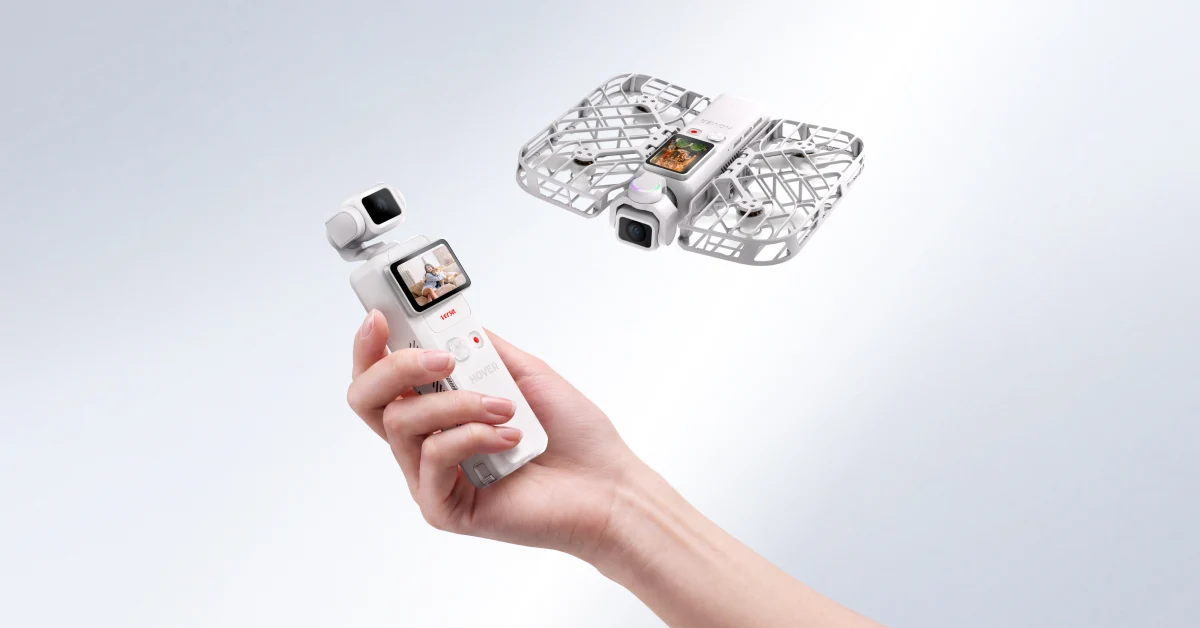
Hohem has unveiled the Eyepic, a handheld stabilized camera whose camera module detaches from its gimbal grip to work as a standalone, wearable action camera. The company gave an exclusive first look at the device at IFA 2026 on August 28, 2026, calling it a "2-in-1 Pocket Gimbal Camera" (Hohem, Facebook).
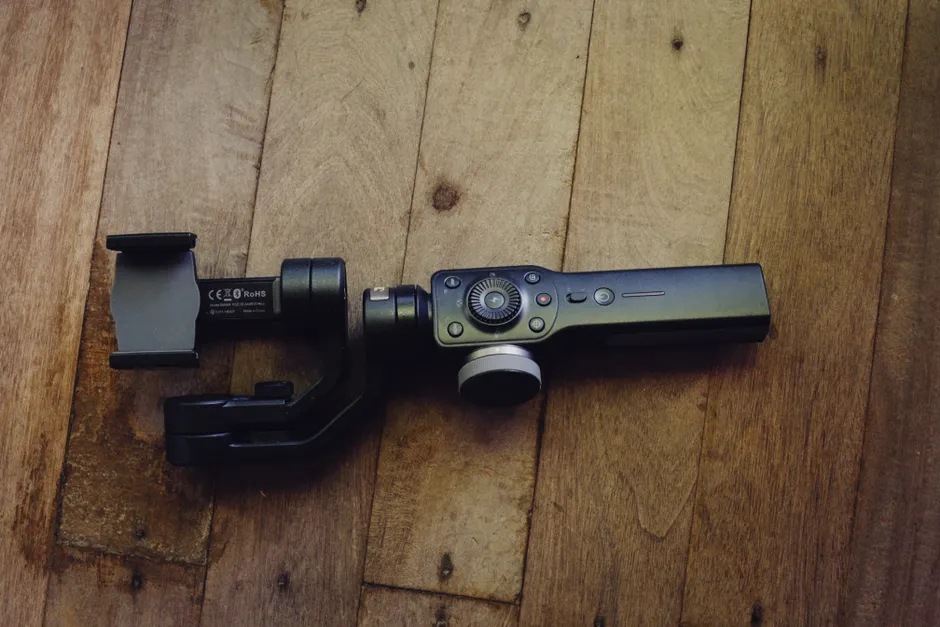
A gimbal, for those less familiar, is a motorized mount that keeps a camera steady by countering unwanted movement along three axes — tilt, pan, and roll. The Eyepic pairs a small camera module with one of these three-axis gimbals mounted on a hand grip. The module captures 4K video at up to 60 frames per second in either vertical or horizontal orientation. You switch orientation by rotating the 2.51-inch touchscreen on the grip, which also serves as a live preview monitor. The grip includes a joystick for manual framing adjustments and a lever for zoom control (The Verge).
The detachment mechanism is magnetic. Once separated from the gimbal, the camera module can be clipped to clothing, worn with an included lanyard, or magnetically attached to compatible surfaces. The module itself has no display. Instead, it streams a 1080p live preview back to the Eyepic's touchscreen, letting the user check framing or adjust settings remotely from up to 32 feet away. That wireless tether gives the detached module something action cameras in this size class frequently skip: a real-time framing reference without requiring a separate phone app (The Verge).
The grip and gimbal assembly are not water-friendly, but the detached camera module is waterproof to a depth of just over 32 feet, putting it in the same environmental bracket as mainstream action cameras like GoPro's Hero line (The Verge).
Several specifications remain undisclosed. Battery life, built-in storage capacity, tracking capabilities, and pricing had not been shared at the time of the most recent report (The Verge).
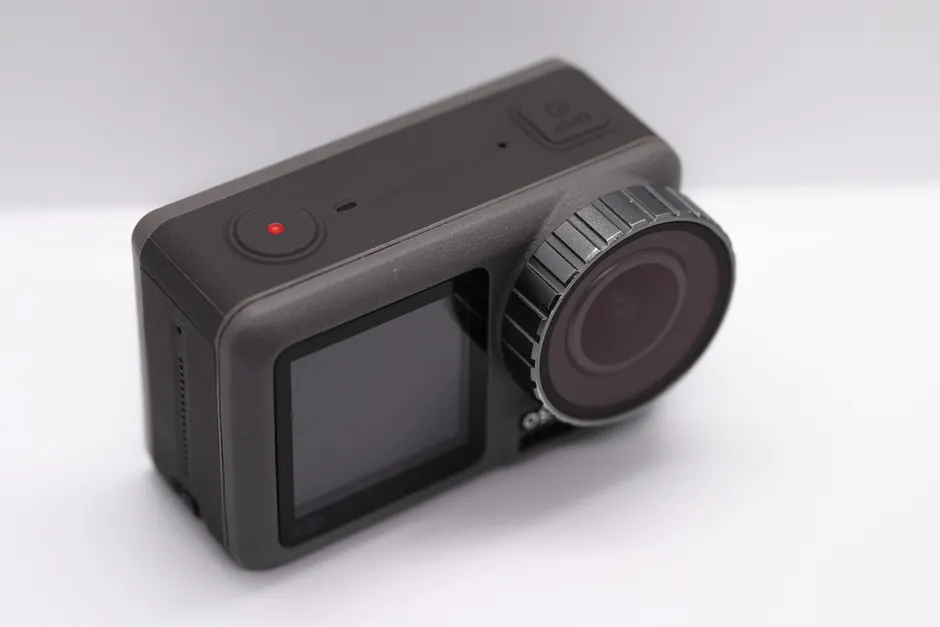
The broader context here is a stabilized-camera market where DJI and Insta360 have set the dominant form factors. DJI's Osmo Pocket series integrated the gimbal and camera into a single non-detachable unit, while Insta360's modular approach has focused on interchangeable lens accessories rather than a gimbal-and-action-cam split. Hohem, best known for smartphone gimbal stabilizers, is positioning the Eyepic to differentiate from both by combining a three-axis stabilized handheld experience with a fully detachable, waterproof action camera module (The Verge).
Whether that hybrid pitch resonates with buyers depends heavily on the missing variables. A detached action camera module without its own screen needs a reliable wireless preview link, and the 32-foot range will matter most in outdoor scenarios where interference and latency can degrade the experience. Storage capacity and battery life matter just as much for the action-camera use case, where recording sessions run for hours rather than minutes. Until Hohem fills in those gaps, the Eyepic's value proposition rests entirely on its mechanical and industrial design.
The 1080p remote preview is a notable detail in that regard. Most action cameras in this size class either carry a small built-in display or require a smartphone connection for framing. Routing the preview back to the gimbal's own touchscreen eliminates the phone dependency while keeping the module screenless, which reduces weight and size on the wearable side. The tradeoff is that the detached module is only useful for framing within that 32-foot wireless range. Beyond it, the user is shooting blind.
Hohem's decision to waterproof only the detached module, not the gimbal assembly, follows a certain logic. The gimbal grip is a precision mechanical component with motors and electronics that are expensive to seal. Restricting waterproofing to the smaller, replaceable module keeps the cost of that environmental protection focused where it matters most for the action-camera use case. Users who want stabilized footage in or around water will need to rely on the module alone, or accept that the full gimbal setup stays on dry land.
IFA 2026 served as the unveiling venue, with Hohem teasing the Eyepic on social media on August 28 before The Verge published detailed specifications on September 3 (Hohem, Instagram; The Verge). The device does not yet have a release date or price.
The stabilized-camera category has been due for a form-factor rethink. Smartphone gimbals have lost ground as in-body image stabilization — the technology built directly into phone camera sensors — has improved, and pocket gimbal cameras have not seen a major design departure since DJI's Osmo Pocket 3. A detachable module that splits the stabilized-shooting and action-camera use cases into one hardware ecosystem is a genuinely different proposition, even if the execution questions remain open. If Hohem can deliver competitive battery life, adequate onboard storage, and subject-tracking that matches what DJI and Insta360 already offer, the Eyepic could carve out a niche that neither company currently occupies.