Commodore's Callback 8020 Is a Flip Phone Built to Stop You Scrolling
Commodore has released the Callback 8020, a flip phone starting at $499 that runs on Linux but can execute nearly all Android apps—while blocking social media and web browsers by design.
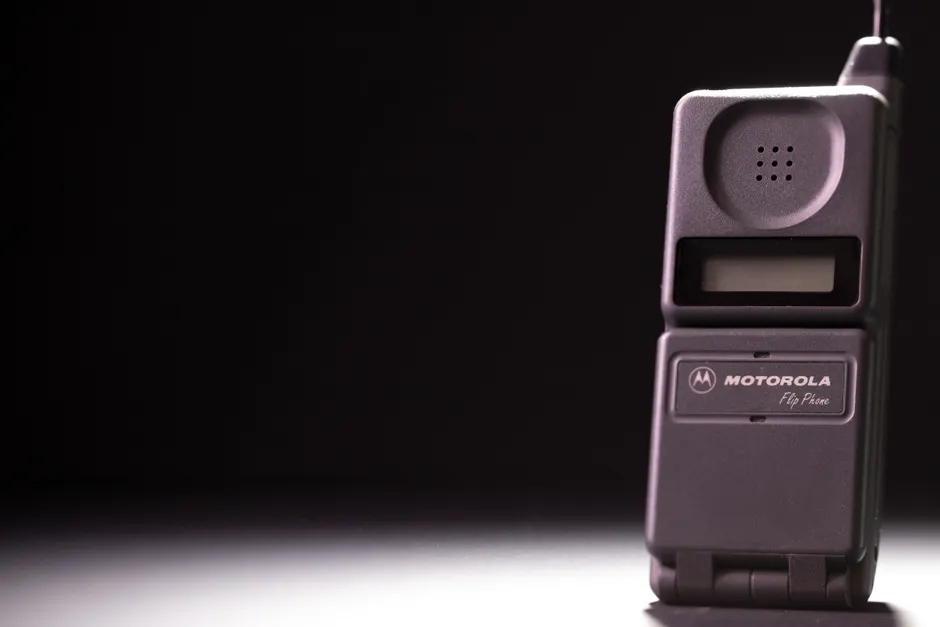
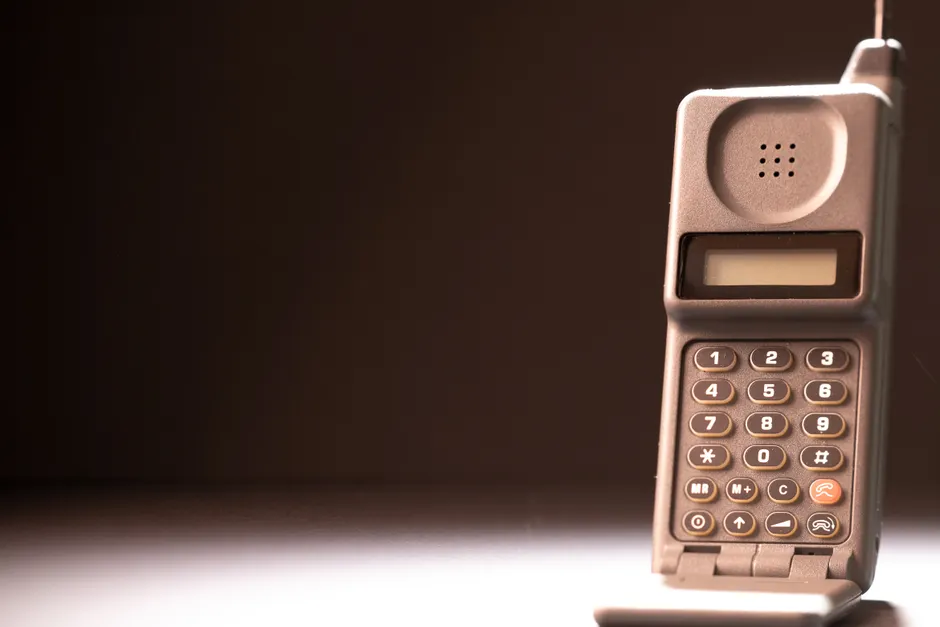
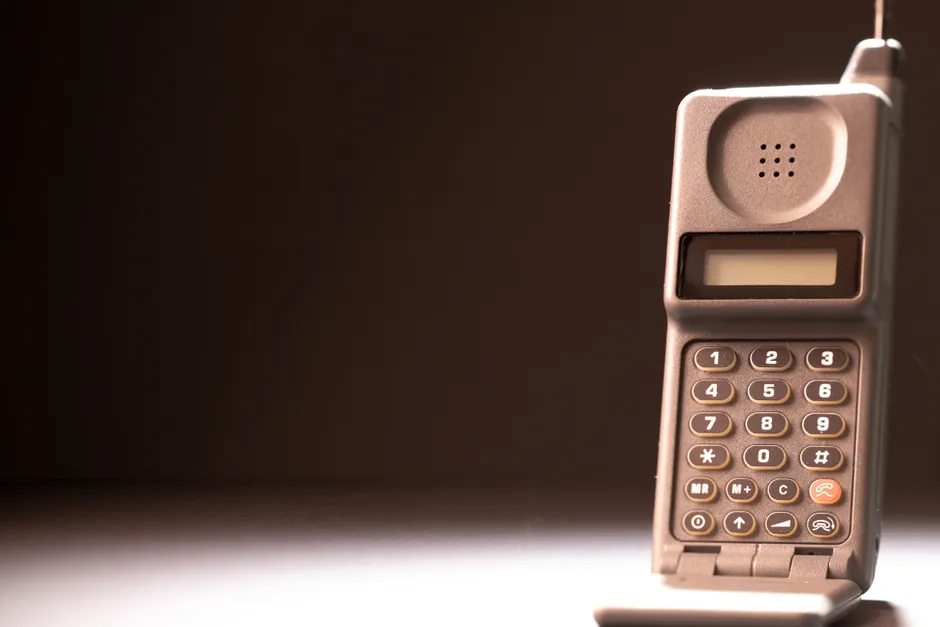
The device trades on visual nostalgia: five colorways pull from Commodore's 1980s computing palette, and T9 texting (pressing 5 three times to get J) is woven into the experience. Tom's Hardware describes it as aimed at users wanting to cut back on screen time without losing smartphone capabilities entirely.
The technical architecture is where things get less straightforward. Instead of running a standard Android system or a stripped-down phone OS, Commodore built on Linux and layered Android app compatibility on top—a setup similar to devices that run the Android Open Source Project without Google Play Services, or tools like Waydroid. The upshot is a device theoretically able to run a maps app or a banking client, but configurable so that a browser or Instagram simply will not launch. Whether that lockdown sits at the operating system level or can be bypassed by someone with technical know-how is something Commodore has not publicly explained.
Wired makes a useful distinction: this is not truly a "dumb phone." Traditional dumb phones run no third-party apps at all. The Callback 8020 is better understood as a device with managed capabilities—the full computing power is there, but rules prevent access to certain apps. It resembles an enterprise phone controlled by corporate IT policies more than it resembles a basic Nokia.
The $499 starting price is well above the impulse-purchase zone. A genuine basic phone from Nokia or Punkt runs under $150. The premium here comes from the flip form factor, the Android app compatibility layer, and the Commodore brand itself, which the company is clearly leveraging for appeal. The real question is whether buyers will pay extra for what amounts to self-imposed content restrictions on a capable device.
There is a fundamental tension built into this product. A device running 99% of Android apps can, by definition, also run app stores, VPN software, and sideloaded applications. The digital detox promise rests entirely on how strong the blocking really is—and on the user not having the master admin password. Commodore has not made public how the blocking actually works, and that matters greatly for the intended use case: a parent buying one for a teenager versus an adult buying one for themselves.
The Commodore brand itself is worth a separate note. Since Commodore Business Machines went under in 1994, the name has been licensed to various manufacturers with uneven results. This version positions itself in the wellness-tech space, an area where handset makers are looking for ways to stand out in a crowded market.
Flip phones are having a quiet comeback. Samsung's Galaxy Z Flip line brought the clamshell back as a premium product; Commodore is betting that some buyers want the physical nostalgia and the built-in friction to reduce daily phone use, but at a lower price point. Whether the Linux-plus-Android stack actually runs smoothly on the Callback 8020's undisclosed processor is something reviewers will have to test in practice.
The five retro color options and T9 keyboard signal that Commodore's marketing team understands the appeal here is partly emotional and aesthetic. The harder question—one no spec sheet can answer—is whether the blocking actually works in everyday use. A digital detox device that users can defeat in a few taps is simply an expensive flip phone.